

Understanding 120Ω Differential Cables: Key Insights for Electrical Professionals
Release Date:2025-11-19


In the realm of electrical engineering and telecommunications, the importance of signal transmission cannot be overstated. One vital component in ensuring high-quality signal integrity is the 120Ω differential cable. These cables are designed specifically for differential signaling, which is a method that enhances communication reliability and reduces interference.
### What Are 120Ω Differential Cables?
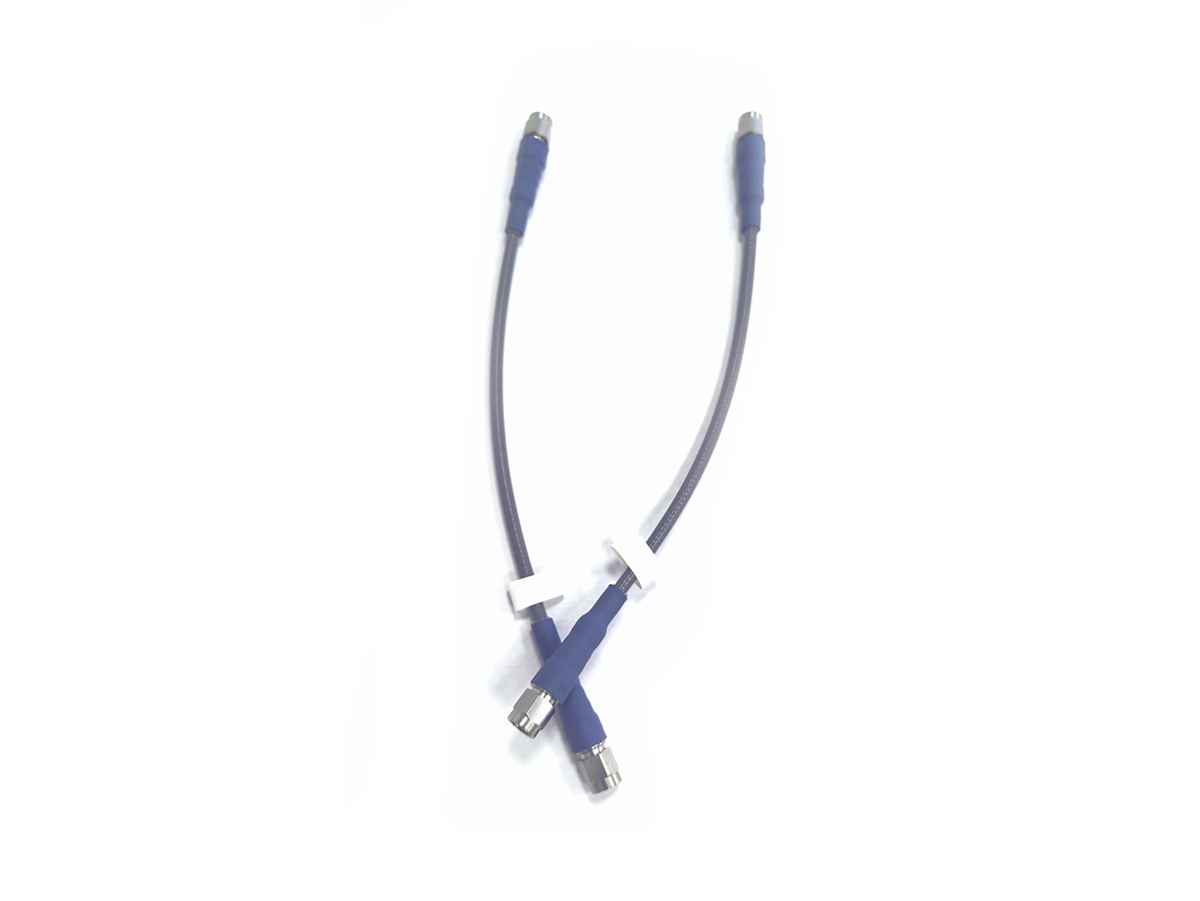
120Ω differential cables are designed with a characteristic impedance of 120 ohms, making them ideal for use in environments where electromagnetic interference (EMI) is a concern. The differential signaling method involves sending two complementary signals through the twisted pairs within the cable. By comparing the difference between these two signals, the system can effectively eliminate noise, leading to clearer and more reliable data transmission.
### Construction and Design
The construction of a 120Ω differential cable typically includes a twisted pair configuration, where two insulated copper wires are twisted together. This design minimizes the loop area between the wires, helping to reduce crosstalk and external electromagnetic interference. The cable may also feature an outer shield, which adds an extra layer of protection against external interferences and enhances the overall performance of the cable in varying environmental conditions.
### Applications of 120Ω Differential Cables
These cables are widely used in various applications across different sectors, particularly in telecommunications, data acquisition, and control systems. They are commonly found in digital audio and video transmission, automotive applications, and industrial automation systems. The reliability and robustness of 120Ω differential cables make them suitable for high-speed data transfer, where signal integrity is paramount.
### Benefits of Using 120Ω Differential Cables
1. **Reduced Electromagnetic Interference**: The twisted pair design and differential signaling significantly diminish the impact of EMI, providing cleaner signal transmission.
2. **Increased Signal Integrity**: The ability to transmit data over long distances without degradation is crucial in many applications, and these cables excel in this aspect.
3. **Enhanced Performance in Noisy Environments**: Their design allows them to maintain performance even in challenging conditions, making them a preferred choice for industrial applications.
4. **Cost-Effective Solution**: While they may have a higher initial cost compared to standard cables, the long-term benefits in terms of reduced maintenance and increased reliability can lead to overall cost savings.
In summary, 120Ω differential cables are an essential component in modern electrical and communication systems. Their superior ability to transmit signals with minimal interference makes them indispensable for professionals in the electrical industry. Understanding their features and applications can help ensure better performance and reliability in various projects.
### What Are 120Ω Differential Cables?
120Ω differential cables are designed with a characteristic impedance of 120 ohms, making them ideal for use in environments where electromagnetic interference (EMI) is a concern. The differential signaling method involves sending two complementary signals through the twisted pairs within the cable. By comparing the difference between these two signals, the system can effectively eliminate noise, leading to clearer and more reliable data transmission.
### Construction and Design
The construction of a 120Ω differential cable typically includes a twisted pair configuration, where two insulated copper wires are twisted together. This design minimizes the loop area between the wires, helping to reduce crosstalk and external electromagnetic interference. The cable may also feature an outer shield, which adds an extra layer of protection against external interferences and enhances the overall performance of the cable in varying environmental conditions.
### Applications of 120Ω Differential Cables
These cables are widely used in various applications across different sectors, particularly in telecommunications, data acquisition, and control systems. They are commonly found in digital audio and video transmission, automotive applications, and industrial automation systems. The reliability and robustness of 120Ω differential cables make them suitable for high-speed data transfer, where signal integrity is paramount.
### Benefits of Using 120Ω Differential Cables
1. **Reduced Electromagnetic Interference**: The twisted pair design and differential signaling significantly diminish the impact of EMI, providing cleaner signal transmission.
2. **Increased Signal Integrity**: The ability to transmit data over long distances without degradation is crucial in many applications, and these cables excel in this aspect.
3. **Enhanced Performance in Noisy Environments**: Their design allows them to maintain performance even in challenging conditions, making them a preferred choice for industrial applications.
4. **Cost-Effective Solution**: While they may have a higher initial cost compared to standard cables, the long-term benefits in terms of reduced maintenance and increased reliability can lead to overall cost savings.
In summary, 120Ω differential cables are an essential component in modern electrical and communication systems. Their superior ability to transmit signals with minimal interference makes them indispensable for professionals in the electrical industry. Understanding their features and applications can help ensure better performance and reliability in various projects.


Do you have Questions?
Not sure what you're looking for? Unable to find what you need?