

Why LD-PTFE Low Loss Cable is Essential for Efficient Signal Transmission
Release Date:2025-11-29


Why LD-PTFE Low Loss Cable is Essential for Efficient Signal Transmission
Table of Contents
- 1. Introduction to LD-PTFE Low Loss Cable
- 2. Understanding Signal Loss in Electrical Transmission
- 3. Key Properties of LD-PTFE Low Loss Cable
- 4. Benefits of Using LD-PTFE Low Loss Cable
- 5. Applications of LD-PTFE Low Loss Cable
- 6. Comparison with Other Types of Cables
- 7. Installation and Maintenance Tips for LD-PTFE Cables
- 8. FAQs About LD-PTFE Low Loss Cable
- 9. Conclusion
1. Introduction to LD-PTFE Low Loss Cable
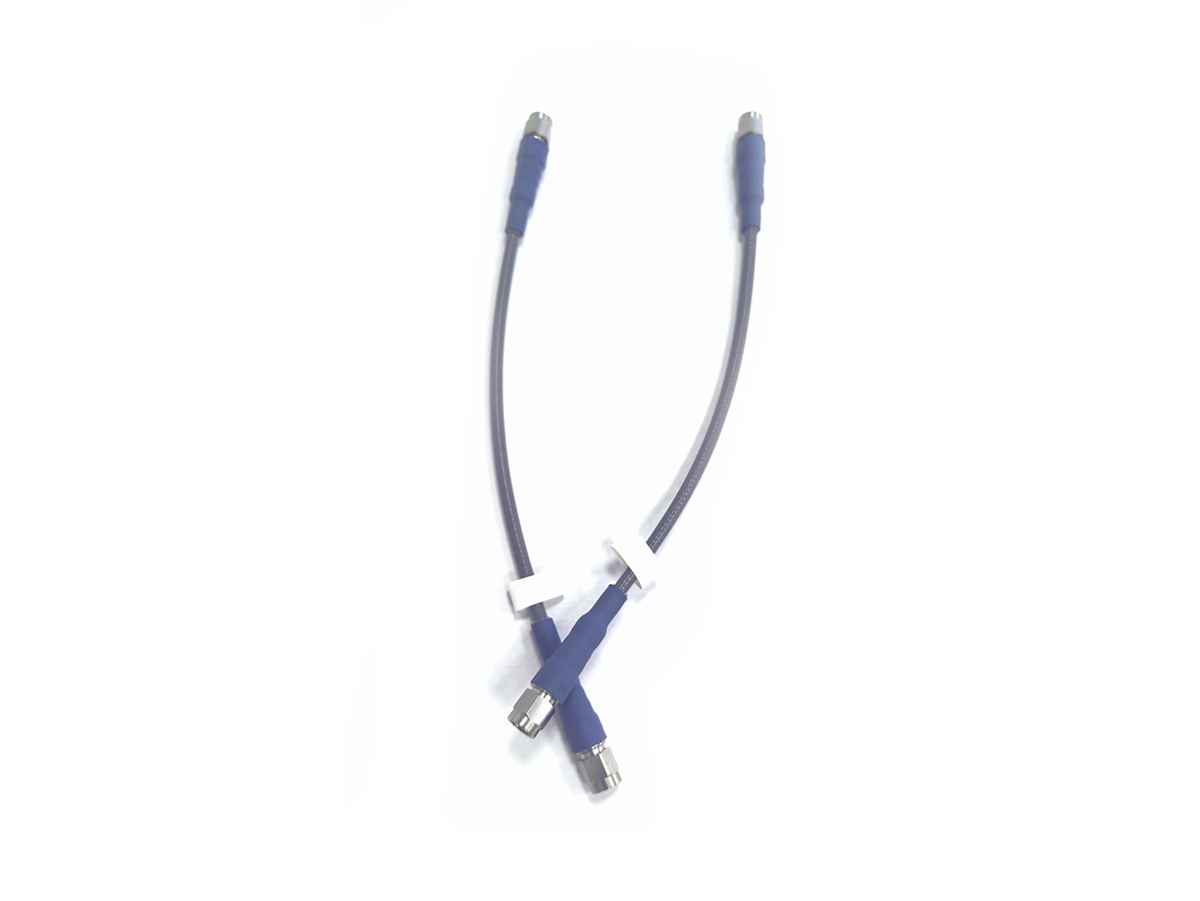
In today’s fast-paced electrical and telecommunications landscape, **efficient signal transmission** is paramount. LD-PTFE (Low-Density Polytetrafluoroethylene) Low Loss Cable stands out as a reliable choice for professionals seeking to enhance their transmission systems. This article delves deep into the significance of LD-PTFE Low Loss Cable, exploring its properties, benefits, and various applications in detail.
2. Understanding Signal Loss in Electrical Transmission
Signal loss refers to the reduction in strength of an electrical signal as it travels through a transmission medium. Several factors contribute to signal loss, including the **resistance of the conductor, dielectric losses, and external interferences**. In high-frequency applications, these losses can become substantial, undermining the integrity of data transmission. Therefore, choosing the right cable is crucial to minimizing these losses and ensuring optimal performance.
The Impact of Signal Loss
Signal loss can lead to various issues, such as:
- Reduced data integrity
- Increased latency
- Signal degradation
Understanding the implications of signal loss is essential for making informed decisions about cable selection.
3. Key Properties of LD-PTFE Low Loss Cable
LD-PTFE Low Loss Cable boasts several unique properties that make it an excellent choice for efficient signal transmission:
Low Dielectric Loss
One of the standout features of LD-PTFE is its low dielectric constant, which translates to minimal energy loss during signal transmission. This property is crucial for high-frequency applications, where traditional cables may struggle with attenuation.
Wide Temperature Range
LD-PTFE cables can operate effectively across a broad temperature range, making them suitable for various environmental conditions. Their ability to withstand extreme temperatures ensures reliable performance in diverse settings.
Resistance to Chemical Corrosion
These cables exhibit exceptional resistance to chemical substances, making them ideal for industries where exposure to harsh chemicals is a concern. This resistance extends the lifespan of the cables and reduces maintenance costs.
Flexibility and Durability
LD-PTFE Low Loss Cables are designed for flexibility without sacrificing durability. This ease of installation features enables better handling and routing in complex setups.
4. Benefits of Using LD-PTFE Low Loss Cable
Investing in LD-PTFE Low Loss Cable comes with numerous advantages that enhance both performance and efficiency:
Enhanced Signal Integrity
With reduced signal loss and interference, LD-PTFE cables ensure that data remains clear and intact, making them suitable for critical applications where reliability is key.
Improved Transmission Speeds
By minimizing energy losses, these cables facilitate faster data transmission, which is essential for modern communication systems and network infrastructures.
Cost-Effectiveness
While LD-PTFE cables may have a higher upfront cost compared to standard cables, their durability and low maintenance requirements lead to cost savings in the long run.
Versatility in Applications
LD-PTFE Low Loss Cables are suitable for a wide range of applications, from telecommunications to aerospace, ensuring that they meet the diverse needs of various industries.
5. Applications of LD-PTFE Low Loss Cable
The versatility of LD-PTFE Low Loss Cable allows for its use in numerous applications:
Telecommunications
In the telecom industry, LD-PTFE cables are widely used for **data transmission**, ensuring high-speed connectivity with minimal loss.
Aerospace and Defense
Due to their reliability and performance, these cables are favored in aerospace applications, where signal integrity is paramount in mission-critical systems.
Broadcasting
LD-PTFE cables are utilized in broadcasting systems to maintain high-quality audio and video signals, even over long distances.
Medical Equipment
In the medical field, precise signal transmission is crucial. LD-PTFE cables help in the reliable functioning of various medical imaging and monitoring devices.
6. Comparison with Other Types of Cables
When choosing the right cable for efficient signal transmission, it’s essential to compare LD-PTFE with other types, such as standard coaxial cables and low-loss alternatives.
LD-PTFE vs. Standard Coaxial Cables
Standard coaxial cables often suffer from higher signal loss due to their dielectric materials. In contrast, LD-PTFE cables maintain signal integrity far better, especially in high-frequency applications.
LD-PTFE vs. Other Low-Loss Cables
While other low-loss cables are available, LD-PTFE offers superior flexibility and resistance to environmental factors, making it a more versatile choice for varied applications.
7. Installation and Maintenance Tips for LD-PTFE Cables
Proper installation and maintenance are critical to maximizing the performance of LD-PTFE Low Loss Cable.
Installation Guidelines
- **Ensure Proper Routing**: Avoid sharp bends and kinks to prevent damage.
- **Use Quality Connectors**: High-quality connectors can further minimize signal loss.
Maintenance Best Practices
- **Regular Inspections**: Periodically check for signs of wear or damage.
- **Environmental Monitoring**: Be mindful of the cable’s exposure to chemical agents or extreme temperatures.
8. FAQs About LD-PTFE Low Loss Cable
What is the difference between LD-PTFE and regular PTFE cables?
LD-PTFE cables are designed specifically for lower loss characteristics, making them superior for high-frequency applications compared to regular PTFE cables.
Can LD-PTFE cables be used outdoors?
Yes, LD-PTFE cables are often used in outdoor applications, but it's essential to consider additional protective measures based on environmental conditions.
What are the common applications for LD-PTFE cables?
Common applications include telecommunications, aerospace, broadcasting, and medical equipment.
How do I choose the right LD-PTFE cable for my application?
Consider factors such as frequency, distance, environmental conditions, and specific application requirements to select the most suitable cable.
Are LD-PTFE cables more expensive than traditional cables?
While LD-PTFE cables may have a higher initial cost, their durability and performance can result in long-term savings on maintenance and replacements.
9. Conclusion
In a world where **efficient signal transmission** is crucial, LD-PTFE Low Loss Cable emerges as an essential component for various industries. Its unique properties—such as low dielectric loss, flexibility, and resistance to environmental factors—make it a superior choice over conventional cables. By investing in LD-PTFE, professionals can ensure enhanced signal integrity and improved performance across diverse applications. Whether in telecommunications, aerospace, or medical technology, LD-PTFE Low Loss Cable is undoubtedly a worthy investment for future-proofing any signal transmission system.


Do you have Questions?
Not sure what you're looking for? Unable to find what you need?