

The Impact of EMI on Aerospace Systems and the Solution: EMI Resistant Cables
Release Date:2025-12-11


The Impact of EMI on Aerospace Systems and the Solution: EMI Resistant Cables
Table of Contents
- Understanding EMI in Aerospace Systems
- The Nature of Electromagnetic Interference
- Sources of EMI in Aerospace Environments
- Consequences of EMI on Aerospace Systems
- The Need for EMI Resistant Cables
- Features of EMI Resistant Cables
- Types of EMI Resistant Cables
- Implementing EMI Resistant Cables in Aerospace Applications
- Future Trends in EMI Resistance Technology
- Conclusion
- FAQs about EMI and EMI Resistant Cables
Understanding EMI in Aerospace Systems
In the aerospace sector, the reliability and performance of systems are paramount. **Electromagnetic Interference (EMI)** refers to the disruption caused when unwanted electromagnetic energy affects the operation of electronic devices. Given the complexity of modern aerospace systems, which rely heavily on electronic components for communication, navigation, and control, understanding EMI is critical.
The Nature of Electromagnetic Interference
EMI can be classified into two primary types: **conducted** and **radiated** interference. Conducted EMI is transmitted through electrical conductors, while radiated EMI propagates through the air. Both types can significantly affect aerospace systems, leading to performance degradation or failure.
Sources of EMI in Aerospace Environments
The aerospace environment is filled with potential EMI sources. These include:
- **Electrical Systems**: High-power systems, such as engines and avionics, can generate significant EMI.
- **Communication Devices**: Radios, radar systems, and satellite communications are also sources of EMI, impacting other sensitive equipment.
- **Natural Phenomena**: Lightning strikes and solar flares can result in electromagnetic disruptions that affect aircraft systems.
Consequences of EMI on Aerospace Systems
The implications of EMI in aerospace systems can be dire. **System failures** caused by EMI can lead to catastrophic consequences, such as loss of control or critical system failure. Additionally, EMI can result in:
- **Data Loss**: Interference can corrupt data transmitted between systems.
- **Equipment Malfunction**: Sensitive electronic components may behave erratically, compromising safety.
- **Increased Maintenance Costs**: Frequent malfunctions lead to higher repair and maintenance expenditures.
The Need for EMI Resistant Cables
Given the serious implications of EMI, there is an urgent need for effective solutions. **EMI resistant cables** are designed to mitigate the effects of electromagnetic interference, providing a crucial layer of protection for aerospace systems. These specialized cables can help maintain signal integrity, reliability, and safety across various onboard systems.
Features of EMI Resistant Cables
EMI resistant cables are engineered with specific features that enhance their performance in high-EMI environments. Key characteristics include:
- **Shielding**: High-quality shielding can block or absorb EMI, preventing it from affecting the cable’s internal signal-carrying conductors.
- **Twisted Pair Construction**: Twisting pairs of wires can cancel out electromagnetic interference, reducing the likelihood of signal degradation.
- **Robust Insulation**: Insulation materials that are resistant to electromagnetic disturbances further ensure cable integrity.
Types of EMI Resistant Cables
Several types of EMI resistant cables are available for aerospace applications, each tailored to specific needs:
1. **Shielded Twisted Pair (STP) Cables**: These cables feature twisted pairs of wires surrounded by a shield, effectively reducing EMI exposure.
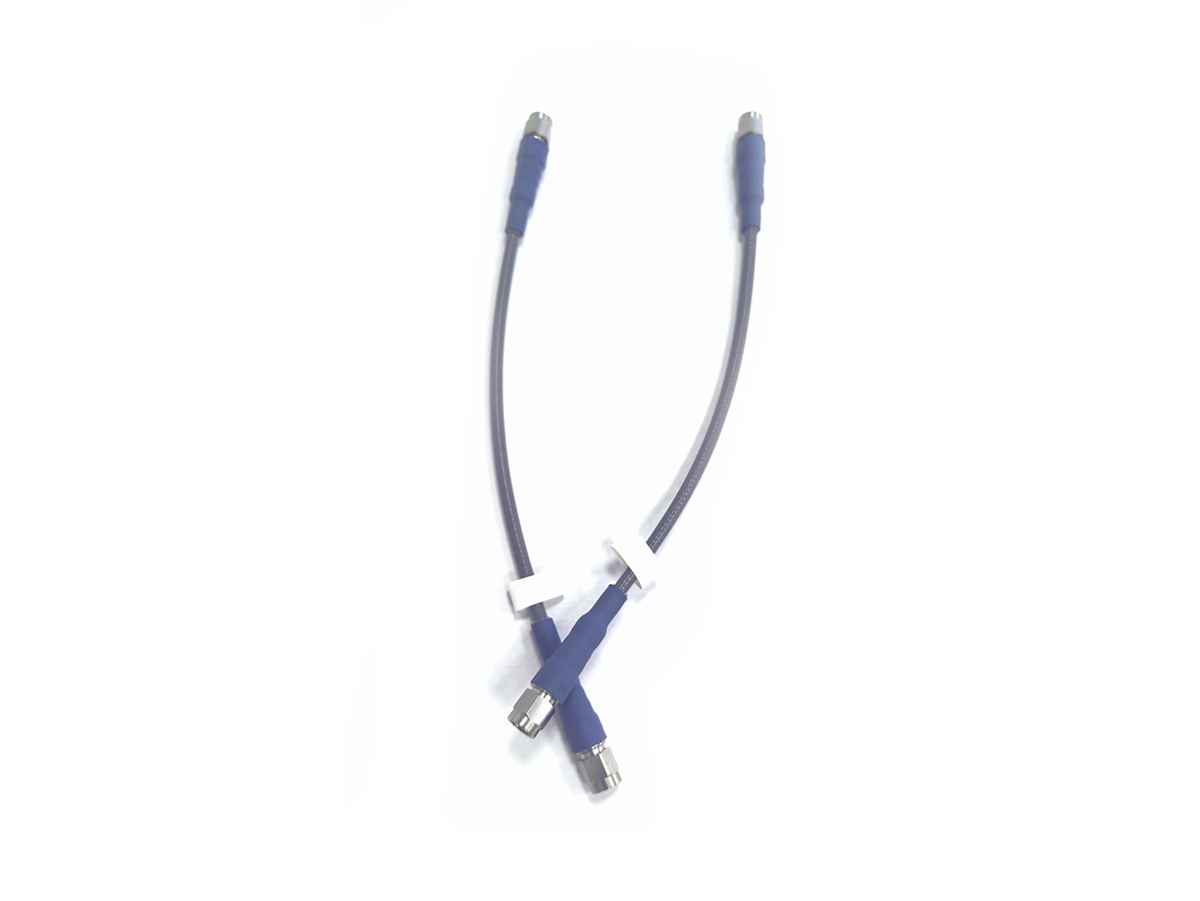
2. **Coaxial Cables**: With an inner conductor, insulating layer, and outer conductive shield, coaxial cables offer excellent shielding against EMI.
3. **Fiber Optic Cables**: Utilizing light instead of electricity for data transmission, fiber optics are inherently immune to EMI.
Implementing EMI Resistant Cables in Aerospace Applications
Integrating EMI resistant cables into aerospace systems requires careful planning and execution. Considerations include:
- **System Design**: Engineers must account for EMI in the design phase to select appropriate cable types.
- **Testing and Validation**: Rigorous testing of cable performance under EMI conditions is essential to ensure reliability.
- **Compliance with Standards**: Aerospace cables must adhere to industry standards, such as MIL-STD-461, which outlines requirements for EMI performance.
Future Trends in EMI Resistance Technology
The future of EMI resistance technology is promising, with ongoing advancements aimed at enhancing cable performance. Emerging trends include:
- **Nanotechnology**: The use of nanomaterials can lead to better shielding and insulation properties.
- **Smart Cables**: Integrating sensors within cables to monitor EMI levels in real-time could pave the way for adaptive responses to interference.
- **Sustainability**: Developing environmentally friendly materials for cable production is becoming increasingly important.
Conclusion
The impact of Electromagnetic Interference on aerospace systems cannot be underestimated. As the aviation industry continues to evolve with increased reliance on complex electronic systems, understanding and mitigating EMI becomes crucial. EMI resistant cables provide a proactive solution to ensure the safety, reliability, and integrity of aerospace operations. By investing in these advanced technologies, we can safeguard the future of aviation against the challenges posed by EMI.
FAQs about EMI and EMI Resistant Cables
What is Electromagnetic Interference (EMI)?
EMI refers to electromagnetic energy that disrupts the operation of electronic devices, affecting communication, navigation, and control systems in aerospace environments.
How does EMI affect aerospace systems?
EMI can lead to system failures, data loss, equipment malfunction, and increased maintenance costs, significantly impacting safety and reliability.
What are EMI resistant cables?
EMI resistant cables are specialized cables designed to minimize the effects of electromagnetic interference, ensuring signal integrity and system performance.
What types of EMI resistant cables are available?
Common types include Shielded Twisted Pair (STP) cables, coaxial cables, and fiber optic cables, each offering varying degrees of EMI protection.
How can EMI resistant cables be implemented in aerospace systems?
Successful implementation involves careful system design, thorough testing, and adherence to industry standards to ensure compliance and performance under EMI conditions.
This comprehensive exploration of EMI and EMI resistant cables aims to provide valuable insights into the significance of addressing electromagnetic interference in aerospace systems. By adopting advanced cable technologies, the aviation industry can enhance reliability and safety in an increasingly electronic world.


Do you have Questions?
Not sure what you're looking for? Unable to find what you need?