

Understanding Low Skew Differential Signal Cables: Key Insights for Electrical Applications
Release Date:2025-12-30


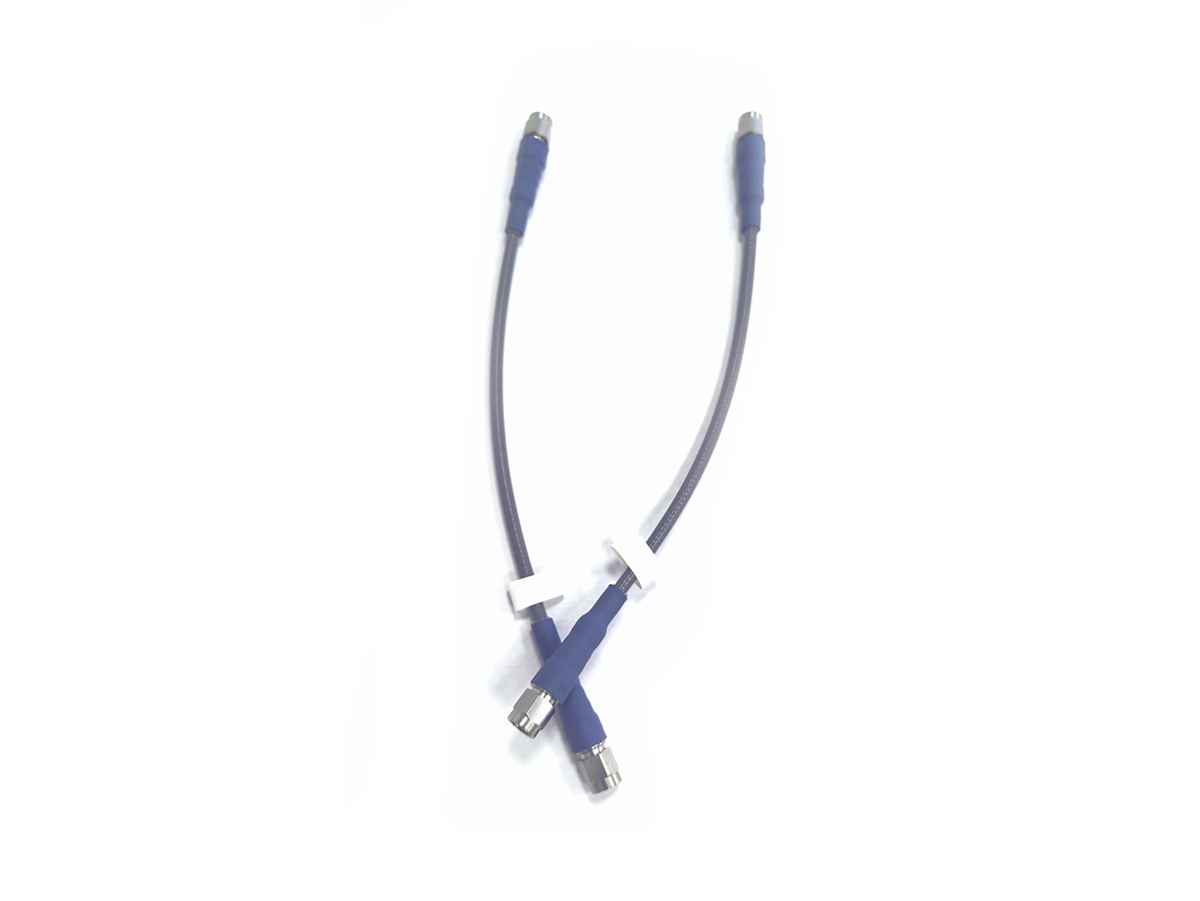
Low skew differential signal cables are essential components in the field of electrical engineering, particularly when it comes to high-speed data transmission. These specialized cables are designed to transport differential signals with minimal skew, ensuring that the signals arrive at their destination simultaneously. This feature is crucial for maintaining the integrity of high-frequency signals, making them a popular choice in various applications including telecommunications, data centers, and computer networks.
One of the primary advantages of low skew differential signal cables is their ability to reduce crosstalk. Crosstalk occurs when signals from adjacent wires interfere with each other, leading to data loss and degradation of signal quality. By minimizing skew, these cables ensure that the two conductors of a differential pair maintain a consistent length, which significantly reduces the likelihood of crosstalk. This characteristic is especially important in environments where multiple cables are run in close proximity, as is common in data centers and networking setups.
Moreover, low skew differential signal cables contribute to improved signal integrity. Signal integrity refers to the quality and consistency of the electrical signals transmitted through a medium. Any distortion or delay in signal transmission can lead to errors in data interpretation, which is detrimental in high-speed applications. By utilizing low skew cables, engineers can ensure that data is transmitted accurately and efficiently, which is vital in applications such as high-definition video transmission and high-speed computing.
Another consideration when selecting low skew differential signal cables is their construction quality. These cables often feature twisted pairs or shielding to further enhance performance by mitigating electromagnetic interference (EMI) and radio frequency interference (RFI). Twisted pair configurations help in cancelling out external noise while shielding offers an additional layer of protection, thereby enhancing overall signal quality.
In addition to their technical advantages, the use of low skew differential signal cables can lead to improved overall system performance. With the increasing demand for high-speed data transmission and the growth of technologies such as cloud computing and IoT (Internet of Things), the need for reliable and efficient cabling solutions has never been more critical. Choosing the right cable can make a significant difference in the performance and longevity of electronic systems.
In conclusion, low skew differential signal cables play a pivotal role in enhancing the performance of electrical systems, particularly in high-frequency applications. Their ability to reduce skew and crosstalk while maintaining signal integrity makes them an essential choice for engineers and technicians. As technology continues to evolve, the demand for such specialized cables will undoubtedly grow, highlighting the importance of understanding their characteristics and benefits in the realm of electrical engineering.
One of the primary advantages of low skew differential signal cables is their ability to reduce crosstalk. Crosstalk occurs when signals from adjacent wires interfere with each other, leading to data loss and degradation of signal quality. By minimizing skew, these cables ensure that the two conductors of a differential pair maintain a consistent length, which significantly reduces the likelihood of crosstalk. This characteristic is especially important in environments where multiple cables are run in close proximity, as is common in data centers and networking setups.
Moreover, low skew differential signal cables contribute to improved signal integrity. Signal integrity refers to the quality and consistency of the electrical signals transmitted through a medium. Any distortion or delay in signal transmission can lead to errors in data interpretation, which is detrimental in high-speed applications. By utilizing low skew cables, engineers can ensure that data is transmitted accurately and efficiently, which is vital in applications such as high-definition video transmission and high-speed computing.
Another consideration when selecting low skew differential signal cables is their construction quality. These cables often feature twisted pairs or shielding to further enhance performance by mitigating electromagnetic interference (EMI) and radio frequency interference (RFI). Twisted pair configurations help in cancelling out external noise while shielding offers an additional layer of protection, thereby enhancing overall signal quality.
In addition to their technical advantages, the use of low skew differential signal cables can lead to improved overall system performance. With the increasing demand for high-speed data transmission and the growth of technologies such as cloud computing and IoT (Internet of Things), the need for reliable and efficient cabling solutions has never been more critical. Choosing the right cable can make a significant difference in the performance and longevity of electronic systems.
In conclusion, low skew differential signal cables play a pivotal role in enhancing the performance of electrical systems, particularly in high-frequency applications. Their ability to reduce skew and crosstalk while maintaining signal integrity makes them an essential choice for engineers and technicians. As technology continues to evolve, the demand for such specialized cables will undoubtedly grow, highlighting the importance of understanding their characteristics and benefits in the realm of electrical engineering.


Do you have Questions?
Not sure what you're looking for? Unable to find what you need?