

Innovative Applications of EMI Resistant Aerospace Cable in Space Exploration
Release Date:2026-01-05


Innovative Applications of EMI Resistant Aerospace Cable in Space Exploration
Table of Contents
- 1. Introduction to EMI Resistant Aerospace Cables
- 2. The Importance of EMI Resistance in Space
- 3. Key Applications of EMI Resistant Aerospace Cables
- 4. Benefits of Using EMI Resistant Cables in Aerospace
- 5. Technology Behind EMI Resistant Aerospace Cables
- 6. Challenges in Implementing EMI Resistant Cable Solutions
- 7. Future Trends in EMI Cable Technology for Space Exploration
- 8. Conclusion
- 9. FAQs
1. Introduction to EMI Resistant Aerospace Cables
In the realm of space exploration, the ability to withstand harsh environmental conditions is paramount. **Electromagnetic interference (EMI)** poses a significant threat to the electronics and communications systems onboard spacecraft. EMI resistant aerospace cables have emerged as a crucial solution, safeguarding sensitive electronic components from disruptions caused by electromagnetic fields. This article delves into the innovative applications of these specialized cables, examining their importance, benefits, and future potential in space exploration.
2. The Importance of EMI Resistance in Space
Understanding the significance of EMI resistance in aerospace applications begins with recognizing the unique challenges of space. Spacecraft are exposed to various forms of radiation, cosmic rays, and other electromagnetic phenomena. These elements can interfere with the operation of onboard systems, leading to potential mission failures. EMI resistant cables help mitigate these risks by providing:
2.1 Enhanced Communication Reliability
In space, reliable communication is critical for mission success. EMI can disrupt signals, leading to data loss or corruption. By utilizing EMI resistant aerospace cables, engineers can ensure clear and consistent communication between spacecraft and mission control.
2.2 Improved Power Systems Stability
Power distribution in space is another area where EMI can create problems. Fluctuations caused by electromagnetic interference can lead to power surges or outages, jeopardizing mission integrity. EMI resistant cables help maintain stable power delivery, essential for the functionality of various onboard systems.
3. Key Applications of EMI Resistant Aerospace Cables
EMI resistant aerospace cables are employed in various applications, each tailored to meet specific operational needs. Here are some key areas where these cables play a vital role:
3.1 Satellite Communication Systems
Satellites depend heavily on reliable communication links to transmit data back to Earth. EMI resistant cables are integral to these systems, ensuring uninterrupted signal transmission despite the intense electromagnetic environment of space.
3.2 Avionics and Control Systems
The avionics systems onboard spacecraft are responsible for navigation, flight control, and data management. EMI resistant cables protect these critical components from interference, maintaining the integrity and reliability of the systems.
3.3 Scientific Instruments
Space missions often carry scientific instruments designed to collect and analyze data from various celestial bodies. Many of these instruments are sensitive to EMI, making the use of EMI resistant cables essential for accurate data acquisition.
3.4 Propulsion Systems
The propulsion systems of spacecraft must operate flawlessly to execute precise maneuvers. EMI resistant cables contribute to the stability and reliability of these systems, ensuring that they function as intended in the challenging conditions of space.
4. Benefits of Using EMI Resistant Cables in Aerospace
The advantages of incorporating EMI resistant aerospace cables into space missions are numerous:
4.1 Increased Mission Lifespan
By protecting sensitive systems from EMI, these cables contribute to longer operational lifespans for spacecraft, reducing the need for frequent repairs or replacements.
4.2 Enhanced Safety
The risk of system failures due to EMI is significantly reduced, enhancing the overall safety of space missions. This aspect is particularly critical for crewed missions where human lives are at stake.
4.3 Cost Efficiency
Investing in EMI resistant cables can lead to long-term cost savings. By minimizing the risk of system failures and the associated costs of repairs, these cables prove to be a financially sound choice for aerospace manufacturers.
5. Technology Behind EMI Resistant Aerospace Cables
The development of EMI resistant aerospace cables involves advanced materials and engineering techniques. Key technologies include:
5.1 Shielding Materials
EMI resistant cables often incorporate specialized shielding materials, such as braided copper or aluminum foil. These materials effectively block electromagnetic waves, preventing interference from affecting sensitive systems.
5.2 Advanced Insulation
The insulation used in EMI resistant cables must withstand extreme temperatures and radiation levels. Advanced polymer materials are commonly employed to provide both thermal protection and EMI shielding.
5.3 Multi-Conductor Designs
Many aerospace applications require multiple electrical connections within a single cable. Multi-conductor designs allow for greater versatility while maintaining EMI resistance, facilitating more efficient system integration.
6. Challenges in Implementing EMI Resistant Cable Solutions
While the benefits of EMI resistant cables are clear, their implementation is not without challenges. Key issues include:
6.1 Weight Constraints
Spacecraft are subject to strict weight limitations. Designing lightweight EMI resistant cables that do not compromise performance is an ongoing challenge for engineers.
6.2 Cost of Materials
High-performance materials used in EMI resistant cables can be costly. Balancing performance with budget constraints remains a significant consideration for aerospace manufacturers.
6.3 Complexity of Integration
Integrating EMI resistant cables into existing systems can be complex, requiring careful planning and design to ensure compatibility and functionality.
7. Future Trends in EMI Cable Technology for Space Exploration
The future of EMI resistant aerospace cables is promising, with several trends shaping their development:
7.1 Advancements in Materials Science
Ongoing research in materials science continues to yield innovative materials that enhance EMI shielding while reducing weight and cost.
7.2 Improved Manufacturing Techniques
Advancements in manufacturing processes, such as additive manufacturing, allow for more intricate designs that can enhance EMI resistance without increasing weight.
7.3 Integration of Smart Technologies
As the aerospace industry increasingly embraces smart technologies, the integration of sensors within EMI resistant cables may provide real-time monitoring of cable performance, further enhancing reliability.
8. Conclusion
The innovative applications of EMI resistant aerospace cables are transforming the landscape of space exploration. By safeguarding critical systems against electromagnetic interference, these cables enhance the reliability, safety, and efficiency of missions. As technology continues to advance, the future of EMI resistant cables looks bright, promising even greater contributions to the success of space exploration endeavors.
9. FAQs
What are EMI resistant aerospace cables?
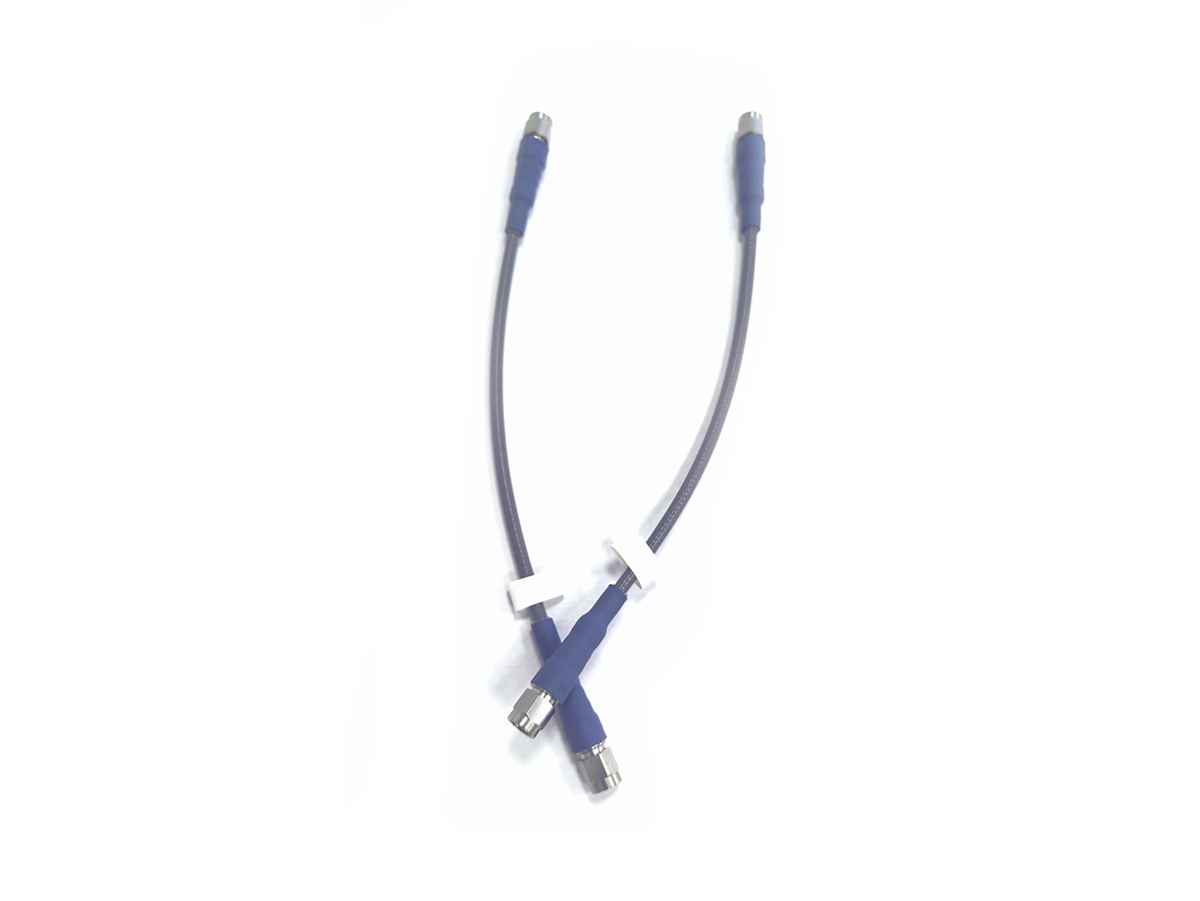
EMI resistant aerospace cables are specialized cables designed to protect sensitive electronic components from electromagnetic interference, ensuring reliable communication and power distribution in space.
How do EMI resistant cables work?
These cables use shielding materials and advanced insulation to block electromagnetic waves, preventing interference from affecting onboard systems.
Why is EMI resistance important in space exploration?
EMI resistance is crucial in space exploration to maintain the reliability of communication systems, avionics, scientific instruments, and propulsion systems, all of which are vulnerable to electromagnetic interference.
What are the benefits of using EMI resistant cables in aerospace applications?
Benefits include increased mission lifespan, enhanced safety, and cost efficiency, as these cables reduce the risk of system failures and associated repair costs.
What challenges do engineers face when implementing EMI resistant cables?
Challenges include weight constraints, the cost of high-performance materials, and the complexity of integrating these cables into existing systems.
By understanding the innovative applications and benefits of EMI resistant aerospace cables, we can appreciate their crucial role in the future of space exploration. As technology evolves, so too will the capabilities of these essential components, paving the way for more ambitious missions beyond our planet.


Do you have Questions?
Not sure what you're looking for? Unable to find what you need?