

The Sky's the Limit: Understanding Lvds High-Speed Data Cable for Aviation
Release Date:2026-01-08


Introduction to Lvds High-Speed Data Cable for Aviation
In today's fast-paced aviation industry, where every millisecond counts, the need for reliable and efficient data transmission is paramount. Enter the Lvds High-Speed Data Cable for Aviation, a sophisticated solution that ensures seamless communication between aircraft systems. But what's the magic behind its workings? Let's dive in!
What is LVDS?
LVDS stands for Low Voltage Differential Signaling. It's a method used to transmit data over a pair of wires that minimizes electromagnetic interference. Think of it as a whispering conversation in a crowded room—keeping the noise at bay while delivering crystal-clear messages.
Why Aviation Needs LVDS
Aircraft are equipped with numerous systems that need to communicate effectively—everything from navigation to in-flight entertainment! The Lvds High-Speed Data Cable for Aviation plays a crucial role in connecting these systems. It enables high-speed data transmission, which is essential for real-time operations. Imagine pilots having access to instant weather updates or navigation changes without any lag. Pretty neat, right?
How Does It Work?
So, how does this nifty cable do its thing? To put it simply, LVDS works by sending data as a differential voltage between two wires. When one wire sends a high voltage, the other sends a low voltage, creating a clear distinction that reduces noise. This method allows for data transmission speeds of up to several gigabits per second—fast enough to keep up with the demands of modern avionics!
The Components of LVDS Cables
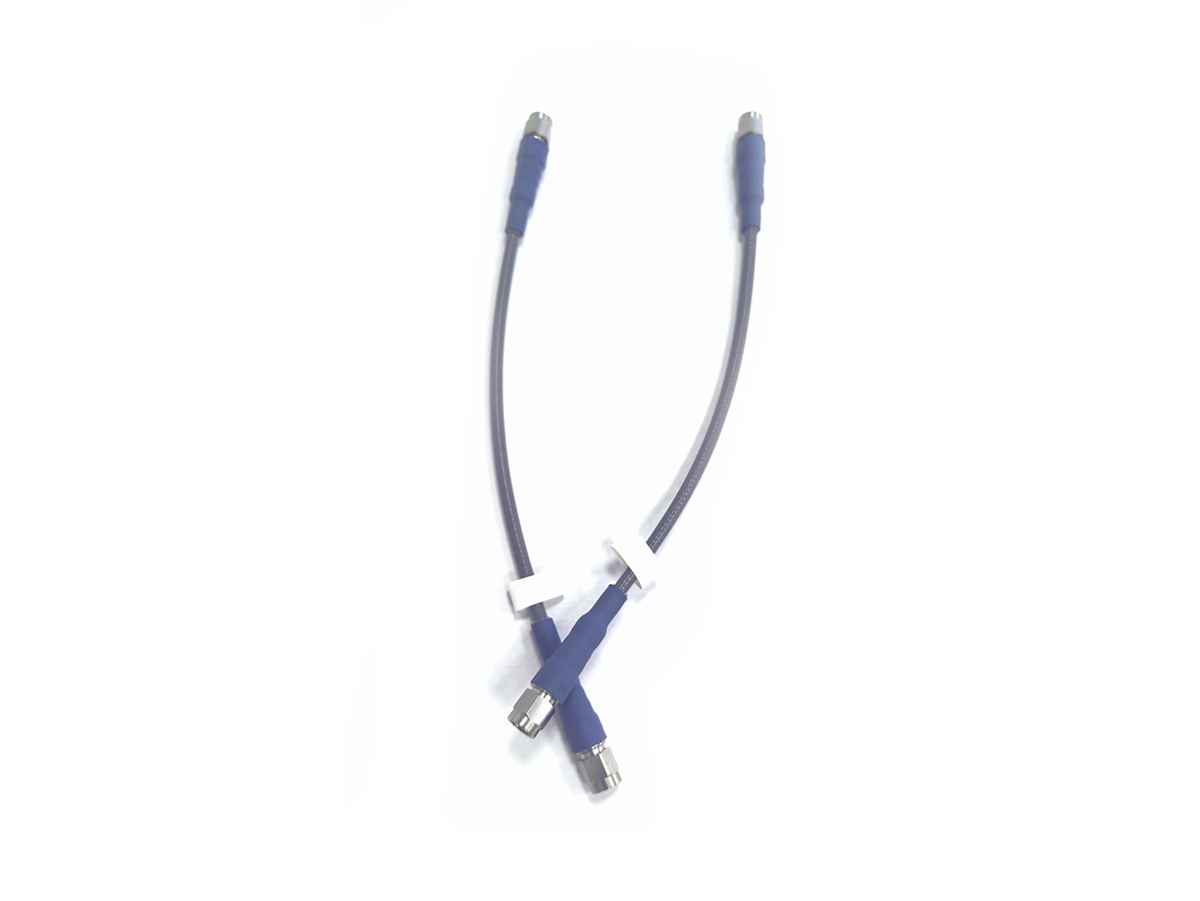
Now, let's break it down further. The Lvds High-Speed Data Cable for Aviation consists of several key components:
- Twisted Pair Construction: This design reduces electromagnetic interference and enhances signal integrity.
- Shielding: It protects the internal wires from external noise, ensuring that the data remains intact.
- Connectors: Specialized connectors designed for aviation applications guarantee secure connections and durability.
Advantages of Using LVDS in Aviation
So, why should aviation professionals care about LVDS cables? Here are a few perks:
- High-Speed Data Transmission: As mentioned, these cables can transmit large amounts of data quickly.
- Reduced Power Consumption: LVDS technology uses less power than traditional signaling methods, which is a big win for energy efficiency.
- Enhanced Reliability: With less susceptibility to noise, these cables ensure that critical systems function without a hitch.
Real-World Applications
The applications of Lvds High-Speed Data Cable for Aviation are vast. From cockpit displays to engine control units, LVDS technology is integrated into numerous systems. Take flight data recorders, for example! They rely on LVDS to transmit crucial data that can later be analyzed in case of an incident.
Challenges and Considerations
However, it's not all smooth flying. There are challenges, too! While LVDS offers many advantages, the cost of implementation and the need for specialized connectors can be a bit of a hurdle for some manufacturers. Plus, ensuring proper installation and maintenance is essential to maximizing performance.
The Future of LVDS in Aviation
As technology continues to evolve, so will the use of Lvds High-Speed Data Cable for Aviation. Innovations in materials and design will likely lead to even faster and more efficient data transmission. With the ongoing push towards automation and smarter aircraft, LVDS cables will undoubtedly play a pivotal role in shaping the future of aviation.
Conclusion
In conclusion, the Lvds High-Speed Data Cable for Aviation is more than just a piece of wire; it's the backbone of modern aviation communication. By understanding its workings, we can appreciate the technological marvels that keep our flights safe, efficient, and enjoyable. So, next time you board a plane, give a little nod to the unsung heroes—those high-speed cables working tirelessly behind the scenes!


Do you have Questions?
Not sure what you're looking for? Unable to find what you need?