

Top 5 Benefits of Using LD-PTFE Low Loss Cable in Your Next Project
Release Date:2026-01-13


Top 5 Benefits of Using LD-PTFE Low Loss Cable in Your Next Project
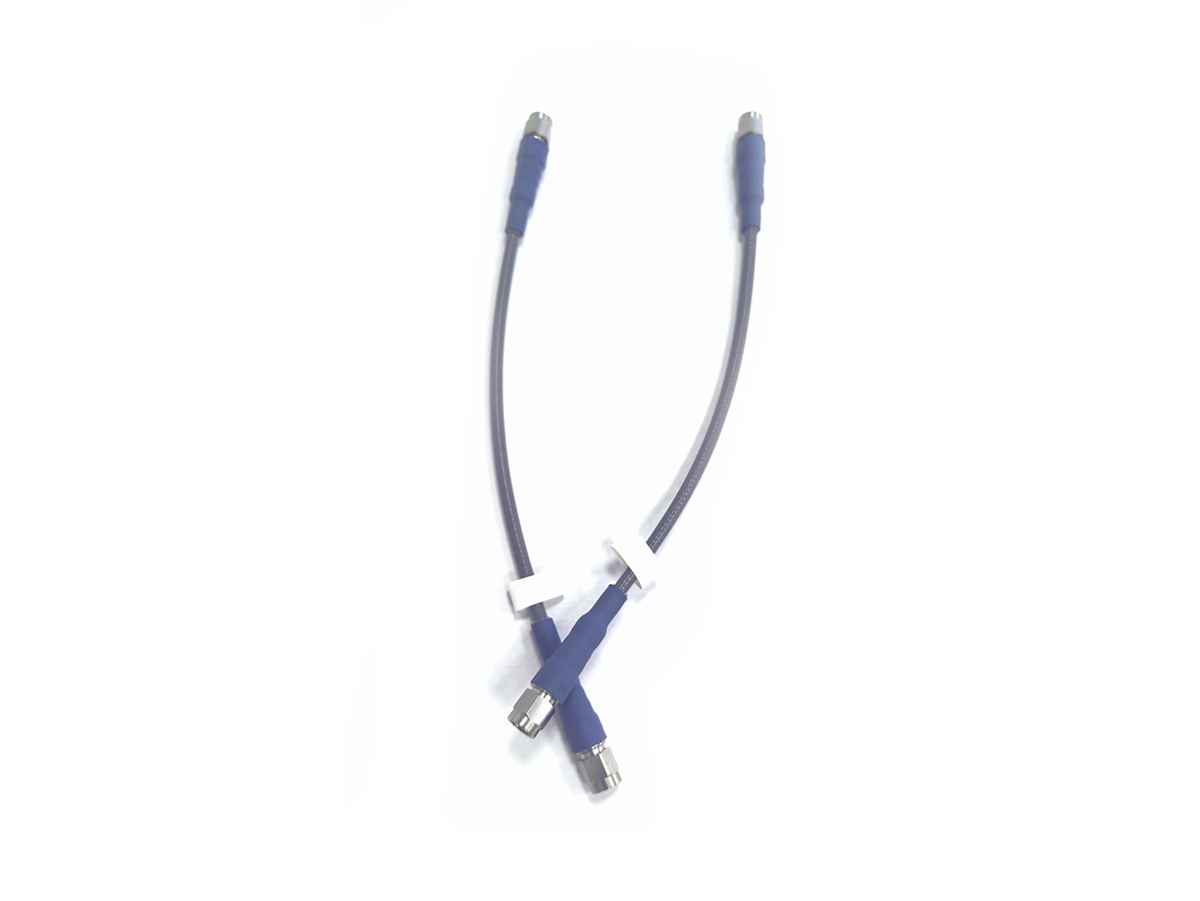
The success of any electrical project significantly depends on the quality of materials used, particularly the cables. One of the standout options in today’s market is LD-PTFE Low Loss Cable. This innovative cabling solution is engineered to minimize signal loss while providing unparalleled durability and flexibility. In this article, we will explore the top five benefits of using LD-PTFE Low Loss Cable, ensuring you have all the information you need to make an informed decision for your next project.
Table of Contents
- 1. Enhanced Signal Integrity
- 2. Reduced Power Loss and Improved Efficiency
- 3. Exceptional Temperature Resistance
- 4. Flexibility and Ease of Installation
- 5. Long-Term Cost Efficiency and Durability
- Frequently Asked Questions
- Conclusion
1. Enhanced Signal Integrity
LD-PTFE Low Loss Cable is specifically designed to ensure that the signal integrity remains intact over long distances. Traditional cables often suffer from electromagnetic interference (EMI) and radio frequency interference (RFI), which can distort the signals being transmitted. LD-PTFE's unique construction minimizes these interferences, allowing for clearer and more reliable signal transmission. This benefit is crucial for applications demanding high fidelity, such as telecommunications, broadcasting, and data networks.
2. Reduced Power Loss and Improved Efficiency
One of the most compelling advantages of LD-PTFE Low Loss Cable is its ability to significantly reduce power loss. The low dielectric loss factor of PTFE (Polytetrafluoroethylene) means that less energy is wasted as heat during transmission. This reduction in power loss not only enhances the efficiency of your electrical systems but also minimizes the operating costs over time. When compared to standard cables, using LD-PTFE can translate into substantial savings, particularly in large-scale projects or installations that rely heavily on continuous power delivery.
3. Exceptional Temperature Resistance
LD-PTFE Low Loss Cable is engineered to withstand extreme temperatures, making it suitable for a wide range of applications. Whether your project is situated in a scorching desert or a frigid climate, this cable maintains its integrity and performance. Its ability to operate efficiently in temperatures as low as -200°C and as high as 260°C means that your installations remain reliable, regardless of environmental conditions. This property is particularly beneficial for industries such as aerospace, automotive, and industrial manufacturing, where temperature fluctuations can be drastic.
4. Flexibility and Ease of Installation
Another remarkable feature of LD-PTFE Low Loss Cable is its flexibility. This characteristic makes it significantly easier to handle and install compared to more rigid cables. The lightweight nature of LD-PTFE allows for easier routing through tight spaces and complex layouts. Additionally, installers can bend and twist the cables without fear of damaging the core, which further speeds up the installation process. This flexibility translates into reduced labor costs and shorter project timelines, making it a favorite among electrical engineers and contractors.
5. Long-Term Cost Efficiency and Durability
Investing in LD-PTFE Low Loss Cable is not only a decision based on immediate performance but also one that promotes long-term cost efficiency. The durability of PTFE ensures that cables can withstand wear and tear over time, reducing the need for frequent replacements. Furthermore, the combination of low power loss and high heat resistance contributes to lower maintenance costs and extended service life. Ultimately, choosing LD-PTFE translates into fewer disruptions and lower total ownership costs for your electrical systems.
Frequently Asked Questions
What is LD-PTFE Low Loss Cable made of?
LD-PTFE Low Loss Cable is primarily made of Polytetrafluoroethylene (PTFE), which is known for its excellent dielectric properties and temperature resistance.
How does LD-PTFE compare to other types of cables?
Compared to traditional cables, LD-PTFE offers superior signal integrity, reduced power loss, and better temperature resistance, making it an ideal choice for demanding applications.
Can LD-PTFE cables be used outdoors?
Yes, LD-PTFE cables can be used outdoors due to their robust construction and resistance to environmental factors, although specific ratings should be confirmed based on application needs.
What applications are best suited for LD-PTFE Low Loss Cable?
LD-PTFE Low Loss Cable is ideal for telecommunications, broadcasting, aerospace, military applications, and any project requiring reliable signal transmission.
Is LD-PTFE Low Loss Cable easy to install?
Yes, LD-PTFE Low Loss Cable is designed for flexibility and ease of installation, allowing it to be routed easily through complex spaces and configurations.
Conclusion
In conclusion, LD-PTFE Low Loss Cable stands out as a premier choice for a wide range of electrical applications. With its ability to enhance signal integrity, reduce power loss, withstand extreme temperatures, and offer flexibility, it provides invaluable benefits that can significantly improve project outcomes. Furthermore, its durability ensures long-term cost efficiency, making it an investment worth considering. When planning your next project, integrating LD-PTFE Low Loss Cable could be the key to achieving superior performance and reliability.


Do you have Questions?
Not sure what you're looking for? Unable to find what you need?