

Navigating the World of Aerospace High Speed Data Cables: Essential Considerations
Release Date:2026-01-22


Image Source: unsplash
Understanding Aerospace High Speed Data Cables
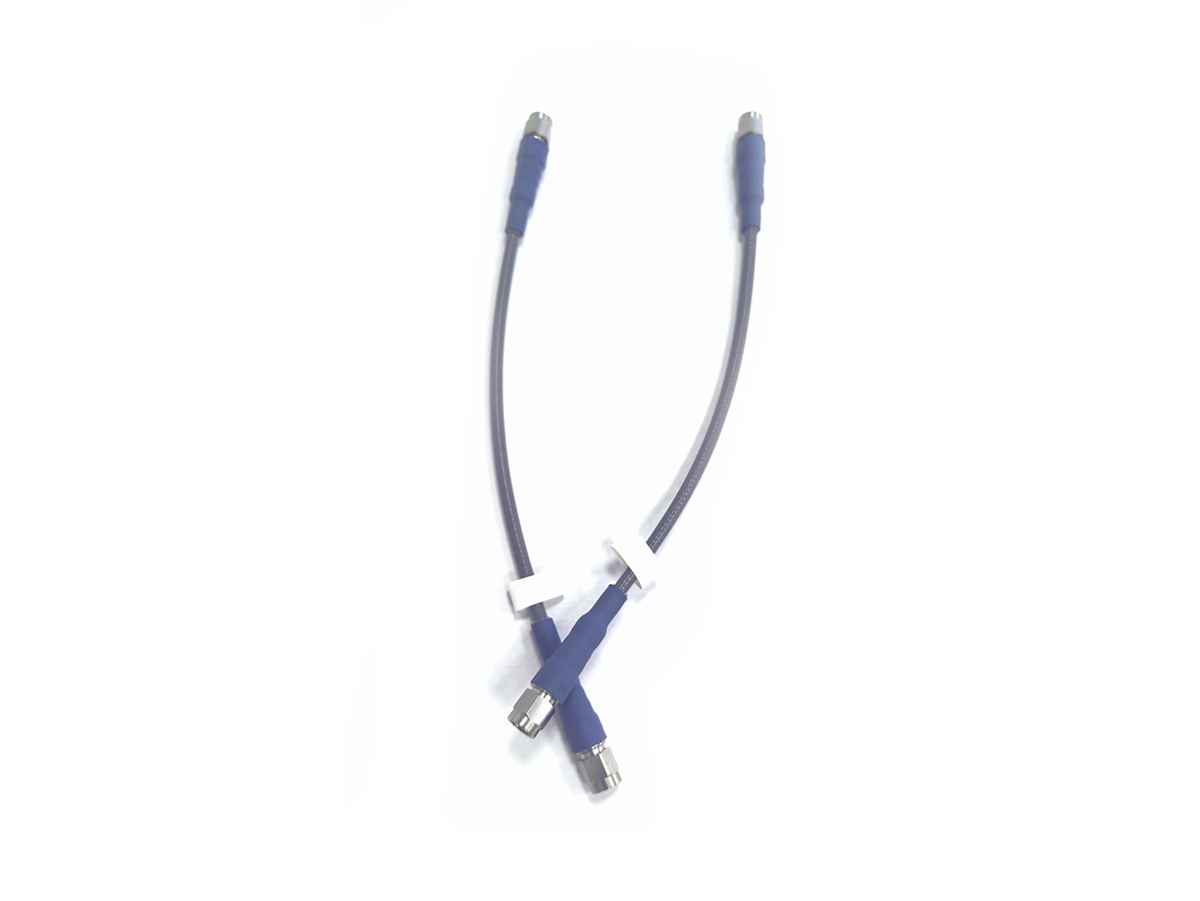
In the intricate world of aerospace technology, the role of Aerospace High Speed Data Cables cannot be overstated. These cables are the lifelines connecting various avionics systems, ensuring that data flows seamlessly at high speeds. But before diving headfirst into purchasing or deploying these cables, it's vital to consider several key factors to guarantee their effectiveness.
What Makes Them Special?
So, why are Aerospace High Speed Data Cables a cut above the rest? Well, for starters, they are designed to withstand the extreme conditions of high altitudes and varied temperatures. Not to mention, they must also be lightweight to optimize fuel efficiency. It's a balancing act, but manufacturers have created cables that can handle the heat—literally!
Key Considerations
Alright, let's break it down! Here are some essential considerations you need to keep in mind:
1. Material Matters
When selecting Aerospace High Speed Data Cables, the material used is paramount. Many cables feature a combination of copper and advanced polymers that offer both conductivity and durability. Look for cables that meet or exceed industry standards to ensure they can handle the rigors of flight.
2. Data Rate Requirements
Different avionics systems have varying data rate needs. Some systems require lightning-fast data transfer rates, while others may not be as demanding. Make sure to assess the specific requirements of your application. It's like choosing the right tool for the job; using a high-speed cable for a low-speed application can be overkill.
3. Environmental Resistance
These cables aren't just about speed; they also need to be tough. From humidity to extreme temperatures, your cables have to be resistant to a variety of environmental factors. Look for options with protective coatings that shield against wear and tear.
4. Weight Considerations
In aerospace, every gram counts! Lightweight cables can significantly reduce the overall weight of the aircraft, leading to improved fuel efficiency. Manufacturers have made great strides in creating Aerospace High Speed Data Cables that are both lightweight and robust. Don't compromise on quality, but keep an eye on the scales!
Installation & Maintenance Tips
Now that you've chosen your cables, let's talk about installation and maintenance. Here's what you should keep in mind:
1. Professional Installation
Unless you're a seasoned pro, it's best to leave the installation of Aerospace High Speed Data Cables to experts. They have the right tools and experience to ensure that everything is connected properly and securely. A small mistake can lead to big problems down the line.
2. Regular Inspections
Don't just install and forget! Regularly inspect your cables for signs of wear or damage. A little maintenance can go a long way in extending the life of your cables and ensuring that they function correctly.
Future Trends in Aerospace Data Cables
As technology advances, so too will Aerospace High Speed Data Cables. Emerging trends such as fiber optics are making waves, offering even faster data transfer rates and greater flexibility. Keep your eyes peeled for innovations that could transform the landscape of aerospace technology!
Conclusion
In conclusion, navigating the world of Aerospace High Speed Data Cables involves understanding their unique requirements and characteristics. By paying attention to materials, data rates, environmental resistance, and installation practices, you can ensure that your aerospace systems operate smoothly and efficiently. Remember, in aerospace, the devil is in the details!


Do you have Questions?
Not sure what you're looking for? Unable to find what you need?