

Understanding RG178 Coaxial Cable Assemblies: Essential Insights for Professionals
Release Date:2026-01-31


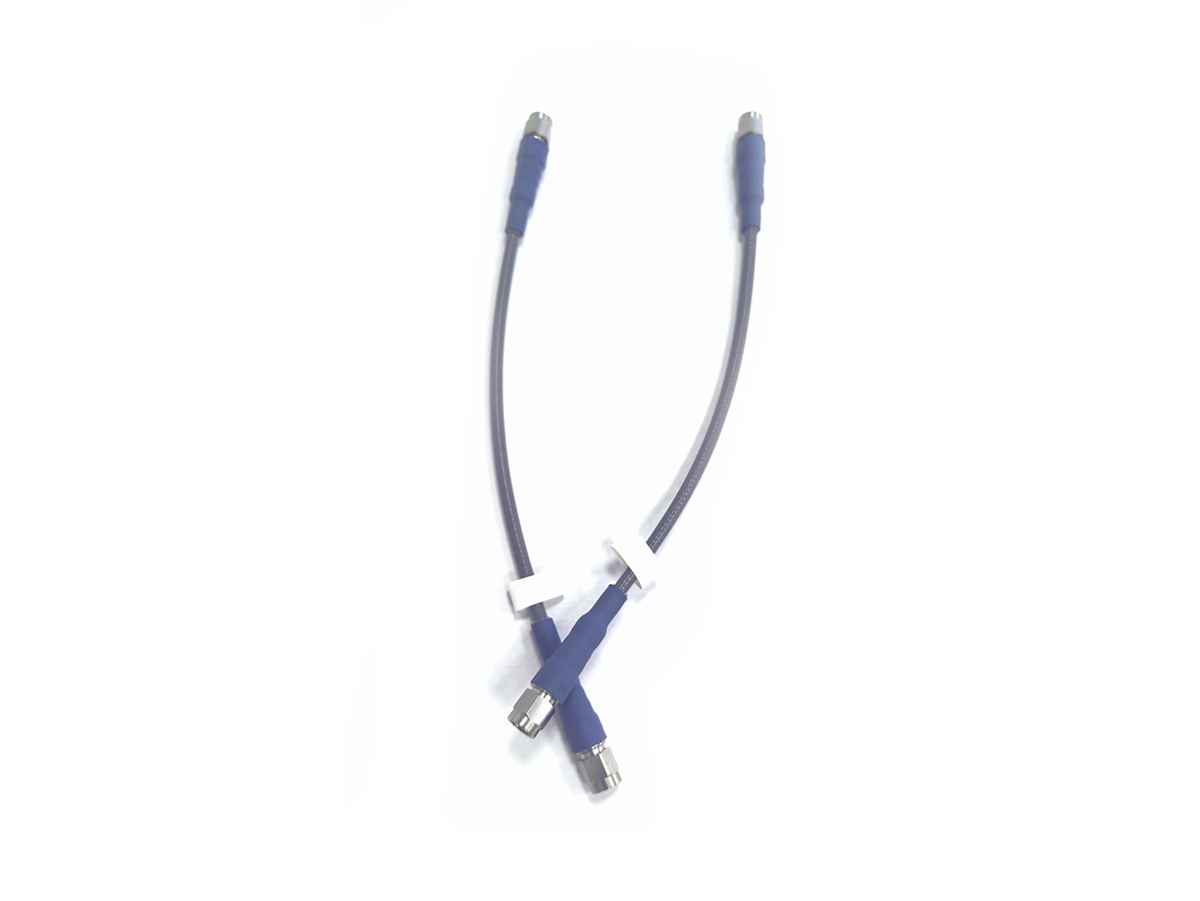
RG178 coaxial cable assemblies are highly regarded in the electrical and electronics industries due to their versatility and reliability. These assemblies consist of an inner conductor, an insulating layer, a shield, and an outer jacket, all working together to transmit high-frequency signals with minimal loss. Understanding the construction and characteristics of RG178 cables is crucial for professionals engaged in designing and implementing communication systems.
One of the defining features of RG178 coaxial cables is their impedance, which typically measures 50 ohms. This specification makes them ideal for a variety of applications, including RF (radio frequency) communications, wireless systems, and even some data transmission tasks. Because of their lightweight and flexible nature, RG178 assemblies can be easily integrated into tight spaces or complex environments, allowing for versatility in installation.
In terms of performance, RG178 cables are designed to support frequencies ranging from DC to 6 GHz effectively. This broad frequency range positions them well for use in Wi-Fi and other wireless communication technologies. Additionally, their low attenuation rates ensure that signal integrity is maintained over longer distances, a critical factor when establishing reliable communication links.
Another important aspect to consider is the environmental durability of RG178 coaxial cable assemblies. They are typically manufactured with materials that provide resistance to moisture, chemicals, and temperature fluctuations, making them suitable for both indoor and outdoor applications. This durability is essential for maintaining long-term performance in various settings, from industrial to commercial installations.
Choosing the right connectors is also vital when working with RG178 assemblies. Professionals should ensure that the connectors are compatible with the cable's specifications to maintain optimal signal transmission. Standard connectors used with RG178 cables include SMA, BNC, and TNC types, which are widely accessible in the market.
In conclusion, RG178 coaxial cable assemblies are a fundamental component in various electrical systems. Their construction, performance characteristics, and adaptability make them an excellent choice for professionals tasked with ensuring effective signal transmission in modern communication systems. By understanding the properties of RG178 cables and selecting appropriate connectors, professionals can optimize the performance and reliability of their applications, ultimately leading to better communication solutions.
One of the defining features of RG178 coaxial cables is their impedance, which typically measures 50 ohms. This specification makes them ideal for a variety of applications, including RF (radio frequency) communications, wireless systems, and even some data transmission tasks. Because of their lightweight and flexible nature, RG178 assemblies can be easily integrated into tight spaces or complex environments, allowing for versatility in installation.
In terms of performance, RG178 cables are designed to support frequencies ranging from DC to 6 GHz effectively. This broad frequency range positions them well for use in Wi-Fi and other wireless communication technologies. Additionally, their low attenuation rates ensure that signal integrity is maintained over longer distances, a critical factor when establishing reliable communication links.
Another important aspect to consider is the environmental durability of RG178 coaxial cable assemblies. They are typically manufactured with materials that provide resistance to moisture, chemicals, and temperature fluctuations, making them suitable for both indoor and outdoor applications. This durability is essential for maintaining long-term performance in various settings, from industrial to commercial installations.
Choosing the right connectors is also vital when working with RG178 assemblies. Professionals should ensure that the connectors are compatible with the cable's specifications to maintain optimal signal transmission. Standard connectors used with RG178 cables include SMA, BNC, and TNC types, which are widely accessible in the market.
In conclusion, RG178 coaxial cable assemblies are a fundamental component in various electrical systems. Their construction, performance characteristics, and adaptability make them an excellent choice for professionals tasked with ensuring effective signal transmission in modern communication systems. By understanding the properties of RG178 cables and selecting appropriate connectors, professionals can optimize the performance and reliability of their applications, ultimately leading to better communication solutions.


Do you have Questions?
Not sure what you're looking for? Unable to find what you need?