

Understanding Low Skew Differential Signal Cables: A Technical Overview
Release Date:2026-02-04


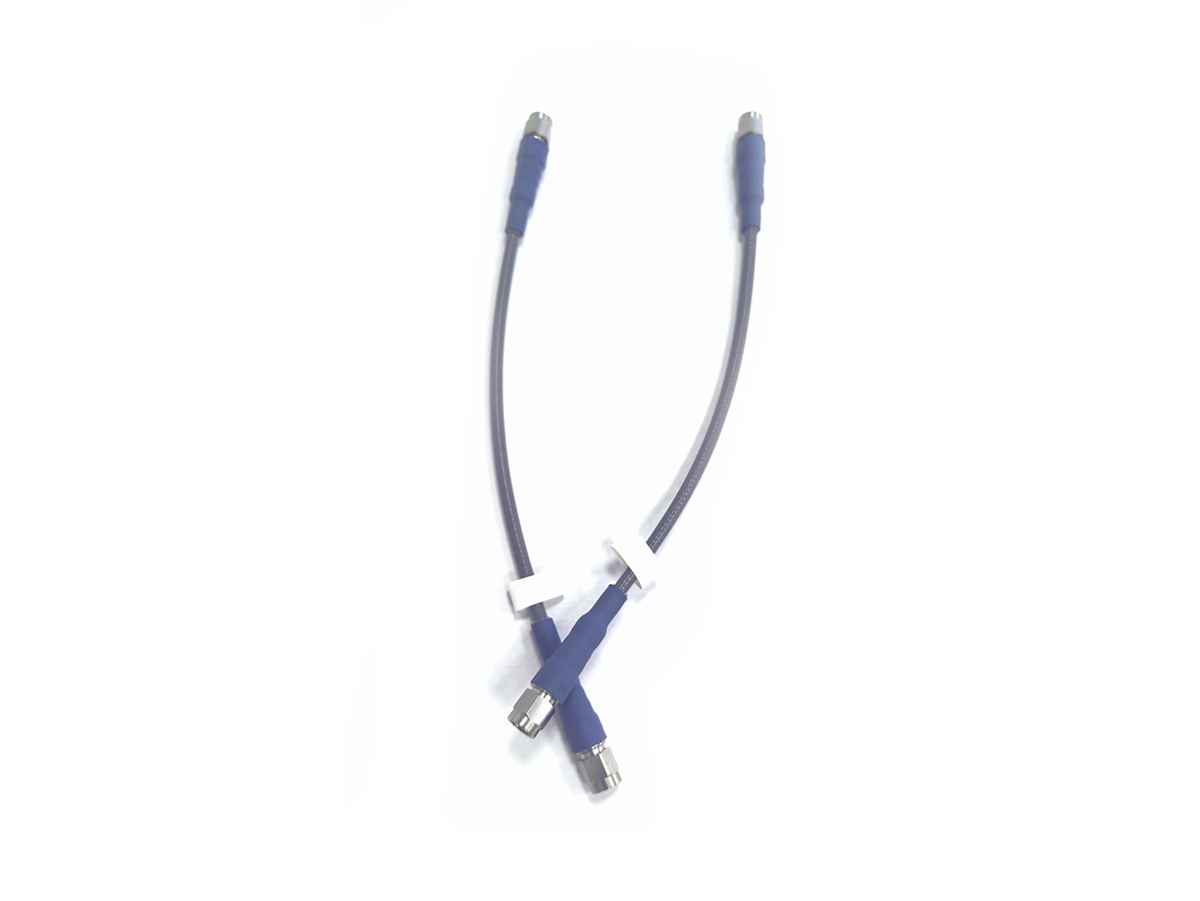
Low skew differential signal cables are an essential component in modern electrical and electronic systems, designed to transmit signals with minimal timing discrepancies between the positive and negative signals. This characteristic is crucial for maintaining signal integrity, especially in high-speed data transmission applications. In an increasingly digital world, the demand for reliable and efficient cabling solutions has led to the development of these specialized cables.
The term "low skew" refers to the reduced delay difference between the two conductors in a differential pair. In a typical differential signaling setup, one conductor carries the positive signal while the other carries the inverted version of that signal. When skew occurs, it can lead to timing issues, causing errors in data interpretation, particularly in applications where signal speed is vital, such as in computer networks or high-definition video transmission.
One of the main advantages of low skew differential signal cables is their ability to minimize electromagnetic interference (EMI) and crosstalk. By maintaining a consistent impedance and ensuring that the two conductors are as close together as possible, these cables can effectively shield against external noise and provide a clearer signal. This is particularly beneficial in environments with significant electrical noise, where traditional cabling might struggle to perform adequately.
When selecting a low skew differential signal cable, several technical specifications should be considered. Factors like the cable's capacitance, inductance, and resistance will influence its performance. Additionally, the materials used in the conductors and insulation can affect the cable's overall efficiency and durability. For example, copper is a common choice for conductors due to its excellent conductivity, while various types of foams or plastics are used for insulation to minimize signal loss and distortion.
In terms of applications, low skew differential signal cables are extensively used in data centers, telecommunications, and high-speed computing environments. They are critical in ensuring that high-frequency signals can be transmitted without degradation, which is crucial for systems relying on real-time data processing. Industries like aerospace, automotive, and medical devices also benefit from these cables, where reliability and precision are paramount.
In conclusion, low skew differential signal cables play a significant role in the realm of electrical and electronic systems, providing essential benefits in signal integrity and performance. By understanding their design, applications, and advantages, engineers and technicians can make informed decisions when selecting cabling solutions that meet the stringent demands of today's technology-driven world.
The term "low skew" refers to the reduced delay difference between the two conductors in a differential pair. In a typical differential signaling setup, one conductor carries the positive signal while the other carries the inverted version of that signal. When skew occurs, it can lead to timing issues, causing errors in data interpretation, particularly in applications where signal speed is vital, such as in computer networks or high-definition video transmission.
One of the main advantages of low skew differential signal cables is their ability to minimize electromagnetic interference (EMI) and crosstalk. By maintaining a consistent impedance and ensuring that the two conductors are as close together as possible, these cables can effectively shield against external noise and provide a clearer signal. This is particularly beneficial in environments with significant electrical noise, where traditional cabling might struggle to perform adequately.
When selecting a low skew differential signal cable, several technical specifications should be considered. Factors like the cable's capacitance, inductance, and resistance will influence its performance. Additionally, the materials used in the conductors and insulation can affect the cable's overall efficiency and durability. For example, copper is a common choice for conductors due to its excellent conductivity, while various types of foams or plastics are used for insulation to minimize signal loss and distortion.
In terms of applications, low skew differential signal cables are extensively used in data centers, telecommunications, and high-speed computing environments. They are critical in ensuring that high-frequency signals can be transmitted without degradation, which is crucial for systems relying on real-time data processing. Industries like aerospace, automotive, and medical devices also benefit from these cables, where reliability and precision are paramount.
In conclusion, low skew differential signal cables play a significant role in the realm of electrical and electronic systems, providing essential benefits in signal integrity and performance. By understanding their design, applications, and advantages, engineers and technicians can make informed decisions when selecting cabling solutions that meet the stringent demands of today's technology-driven world.


Do you have Questions?
Not sure what you're looking for? Unable to find what you need?