

Understanding 100Ω Differential Pair Cables: Key Insights for Electrical Professionals
Release Date:2026-02-08


In the realm of electrical and telecommunications engineering, understanding the specifics of cabling can greatly enhance system performance and reliability. One such important type of cabling is the 100Ω differential pair cable. These cables are designed to transmit data signals while minimizing interference, making them ideal for various high-speed communication applications.
**What is a 100Ω Differential Pair Cable?**
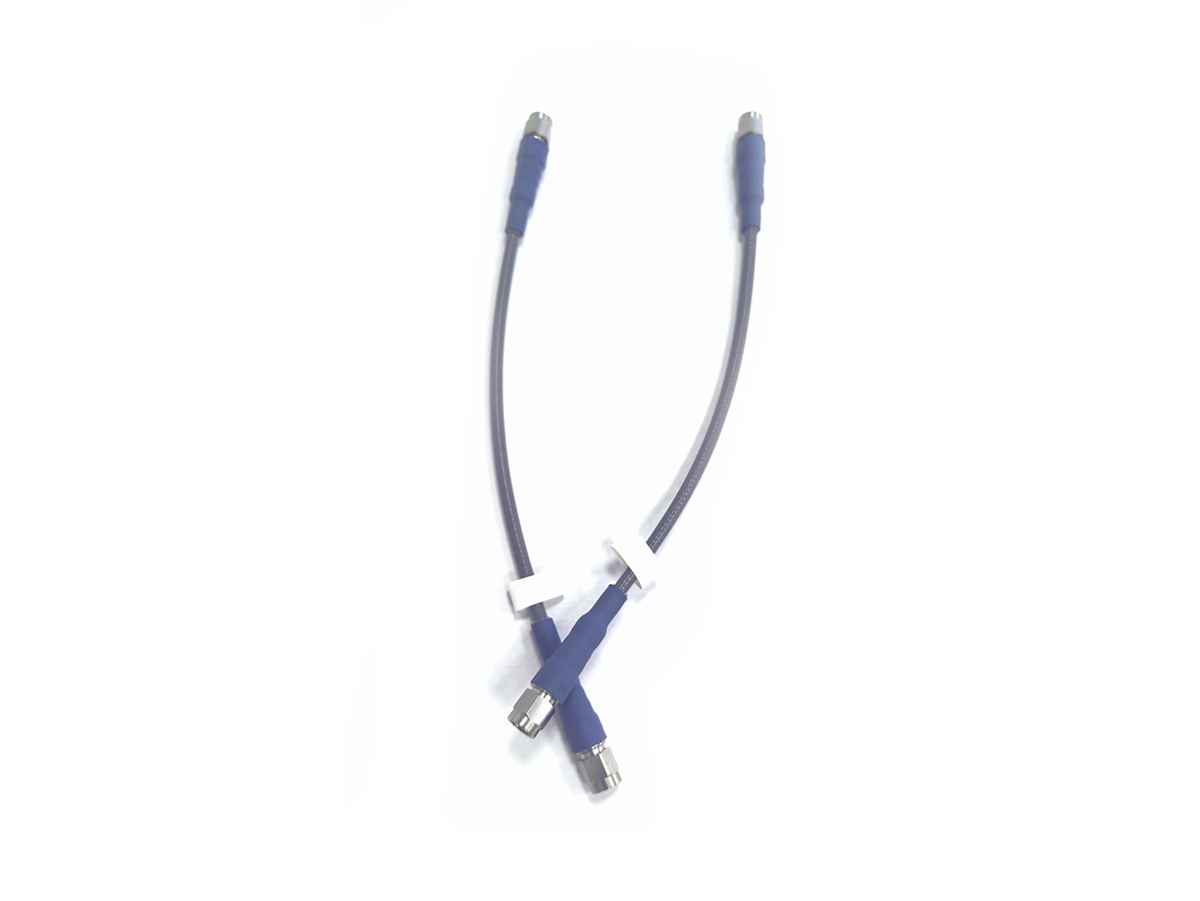
A 100Ω differential pair cable consists of two conductors twisted together, which helps to reduce electromagnetic interference (EMI) and crosstalk. The term "differential pair" refers to the configuration where the two wires carry equal and opposite signals. This setup allows for the cancellation of noise and interference, resulting in a clearer signal, which is crucial for high-speed data transmission.
**Applications of 100Ω Differential Pair Cables**
These cables are widely used in applications such as computer networks, telecommunication systems, and data centers. They are particularly beneficial in environments where signal integrity is paramount, such as in Ethernet communications and high-frequency applications like HDMI or USB.
Moreover, 100Ω differential pair cables are commonplace in the realm of digital communication. They are utilized in various protocols, including USB, HDMI, and others, where high data rates and low latency are critical.
**Advantages of Using 100Ω Differential Pair Cables**
1. **Improved Signal Integrity**: The differential signaling helps maintain signal quality over longer distances, making these cables suitable for high-speed data transmission.
2. **Reduced EMI**: The twisted pair design inherently cancels out noise, making it less susceptible to external interference. This feature is especially beneficial in industrial environments or locations with multiple electronic devices.
3. **Versatility**: 100Ω differential pair cables can be used in a variety of communication protocols, enhancing their utility across different systems.
**Considerations When Choosing 100Ω Differential Pair Cables**
When selecting these cables for your project, consider factors such as the maximum data rate, transmission distance, and environmental conditions. It's important to evaluate the cable's specifications against your project's requirements to ensure optimal performance.
In summary, 100Ω differential pair cables are a crucial component in modern electrical and telecommunication systems. Their ability to deliver high-speed data while minimizing interference makes them indispensable for professionals in the industry. By understanding their applications and benefits, you can make informed decisions that enhance the efficiency and reliability of your electrical systems.
**What is a 100Ω Differential Pair Cable?**
A 100Ω differential pair cable consists of two conductors twisted together, which helps to reduce electromagnetic interference (EMI) and crosstalk. The term "differential pair" refers to the configuration where the two wires carry equal and opposite signals. This setup allows for the cancellation of noise and interference, resulting in a clearer signal, which is crucial for high-speed data transmission.
**Applications of 100Ω Differential Pair Cables**
These cables are widely used in applications such as computer networks, telecommunication systems, and data centers. They are particularly beneficial in environments where signal integrity is paramount, such as in Ethernet communications and high-frequency applications like HDMI or USB.
Moreover, 100Ω differential pair cables are commonplace in the realm of digital communication. They are utilized in various protocols, including USB, HDMI, and others, where high data rates and low latency are critical.
**Advantages of Using 100Ω Differential Pair Cables**
1. **Improved Signal Integrity**: The differential signaling helps maintain signal quality over longer distances, making these cables suitable for high-speed data transmission.
2. **Reduced EMI**: The twisted pair design inherently cancels out noise, making it less susceptible to external interference. This feature is especially beneficial in industrial environments or locations with multiple electronic devices.
3. **Versatility**: 100Ω differential pair cables can be used in a variety of communication protocols, enhancing their utility across different systems.
**Considerations When Choosing 100Ω Differential Pair Cables**
When selecting these cables for your project, consider factors such as the maximum data rate, transmission distance, and environmental conditions. It's important to evaluate the cable's specifications against your project's requirements to ensure optimal performance.
In summary, 100Ω differential pair cables are a crucial component in modern electrical and telecommunication systems. Their ability to deliver high-speed data while minimizing interference makes them indispensable for professionals in the industry. By understanding their applications and benefits, you can make informed decisions that enhance the efficiency and reliability of your electrical systems.


Do you have Questions?
Not sure what you're looking for? Unable to find what you need?