

Unraveling the Magic of RG Coaxial Cable: How It Works
Release Date:2026-02-17


Image Source: unsplash
The Basics of RG Coaxial Cable
When it comes to transmitting signals with reliability, RG coaxial cable is a heavyweight champion in the world of connectivity! This cable type is a go-to for everything from television signals to internet connections. But how does it really work? Buckle up as we dive into its fascinating mechanics!
What is RG Coaxial Cable?
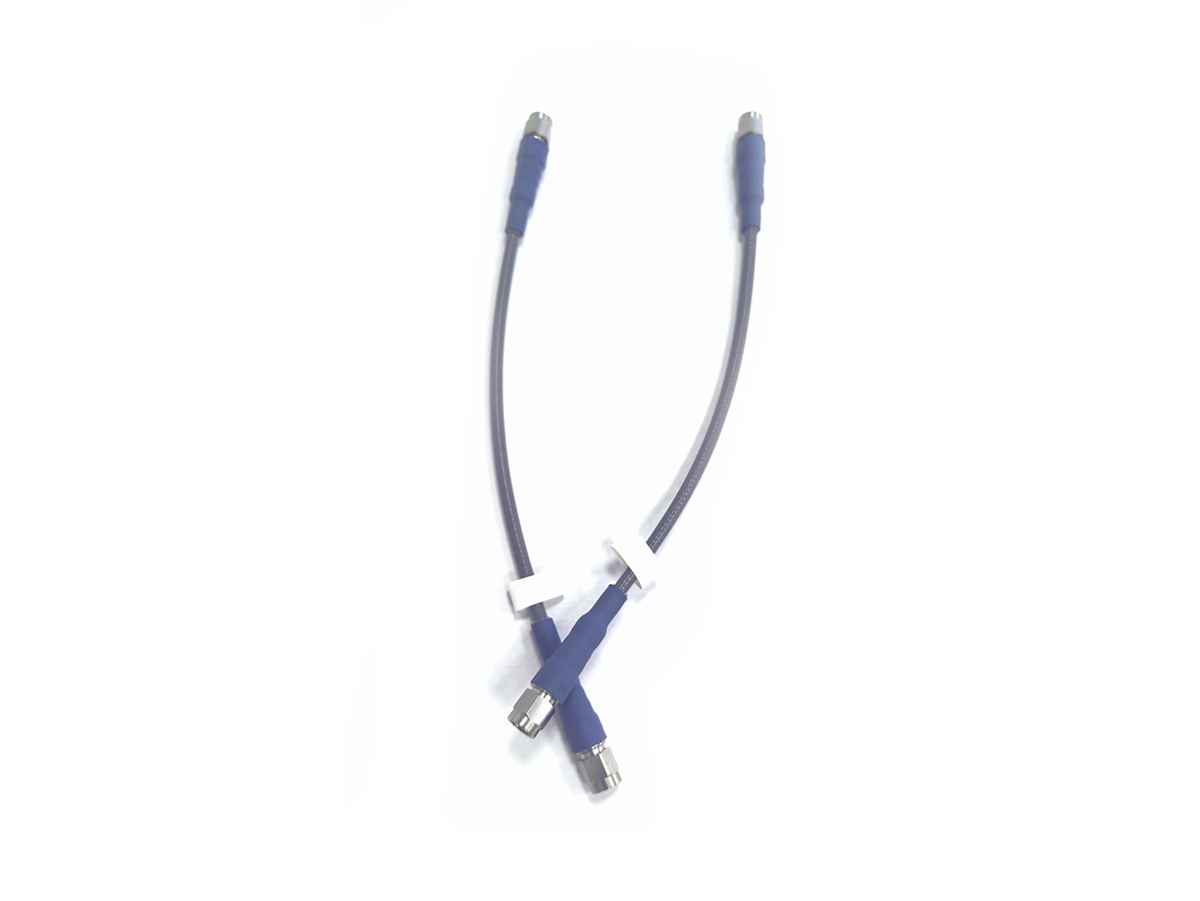
At its core, RG coaxial cable is made up of a central conductor, an insulating layer, a metallic shield, and an outer jacket. Sounds simple, right? But each layer plays a crucial role in ensuring that signals travel the distance without losing their integrity.
Breaking Down the Components
Let's break it down further:
- Central Conductor: This is usually made of copper or aluminum and is responsible for carrying electrical signals. The thicker the conductor, the better the signal quality.
- Insulation: Surrounding the central conductor, this layer prevents signal interference from external sources. A good insulator keeps the signal strong and clear.
- Shielding: The metallic shield acts like a fortress, providing protection against electromagnetic interference (EMI). It's like a knight guarding a castle!
- Outer Jacket: Finally, the outer layer protects everything from physical damage and environmental factors.
How Does It Work?
Alright, here's where it gets interesting! When an electrical signal is sent through the central conductor, it travels down the cable. The insulation and shielding work together to ensure that this signal remains intact, preventing any unwanted noise from sneaking in. With minimal loss, the signal can travel long distances, making RG coaxial cable a favorite among tech enthusiasts.
Different Types of RG Coaxial Cable
Did you know there are various types of RG coaxial cables? Each type is designed for specific uses, such as:
- RG-6: This is widely used for cable television and internet applications, offering lower loss and better performance.
- RG-59: Mostly found in security camera setups, it's perfect for shorter distances.
- RG-11: This heavy-duty option is utilized for long-range applications due to its thicker conductor.
Advantages of Using RG Coaxial Cable
Choosing RG coaxial cable comes with its perks:
- Durability: These cables are built to last, resisting environmental wear and tear.
- Reliable Signal Quality: With minimal interference, you can count on consistent performance.
- Versatility: Whether for internet, TV, or security systems, RG coaxial cables fit the bill!
Conclusion
So there you have it! The inner workings of RG coaxial cable are quite impressive, huh? With its layered construction and ability to transmit signals flawlessly, it's no wonder this cable type remains a staple in the tech world. Next time you plug in your devices, remember the unsung hero making it all possible!


Do you have Questions?
Not sure what you're looking for? Unable to find what you need?