

Understanding RF Coaxial Assemblies: The Backbone of Communication
Release Date:2026-02-24


Image Source: unsplash
Introduction
Have you ever wondered what keeps our communication systems running smoothly? From cell phones to satellite transmissions, the magic often lies in the unassuming RF coaxial assemblies. These nifty components are essential for transmitting radio frequency signals with minimal loss. Let's dive into the world of RF coaxial assemblies and uncover their significance!
What Are RF Coaxial Assemblies?
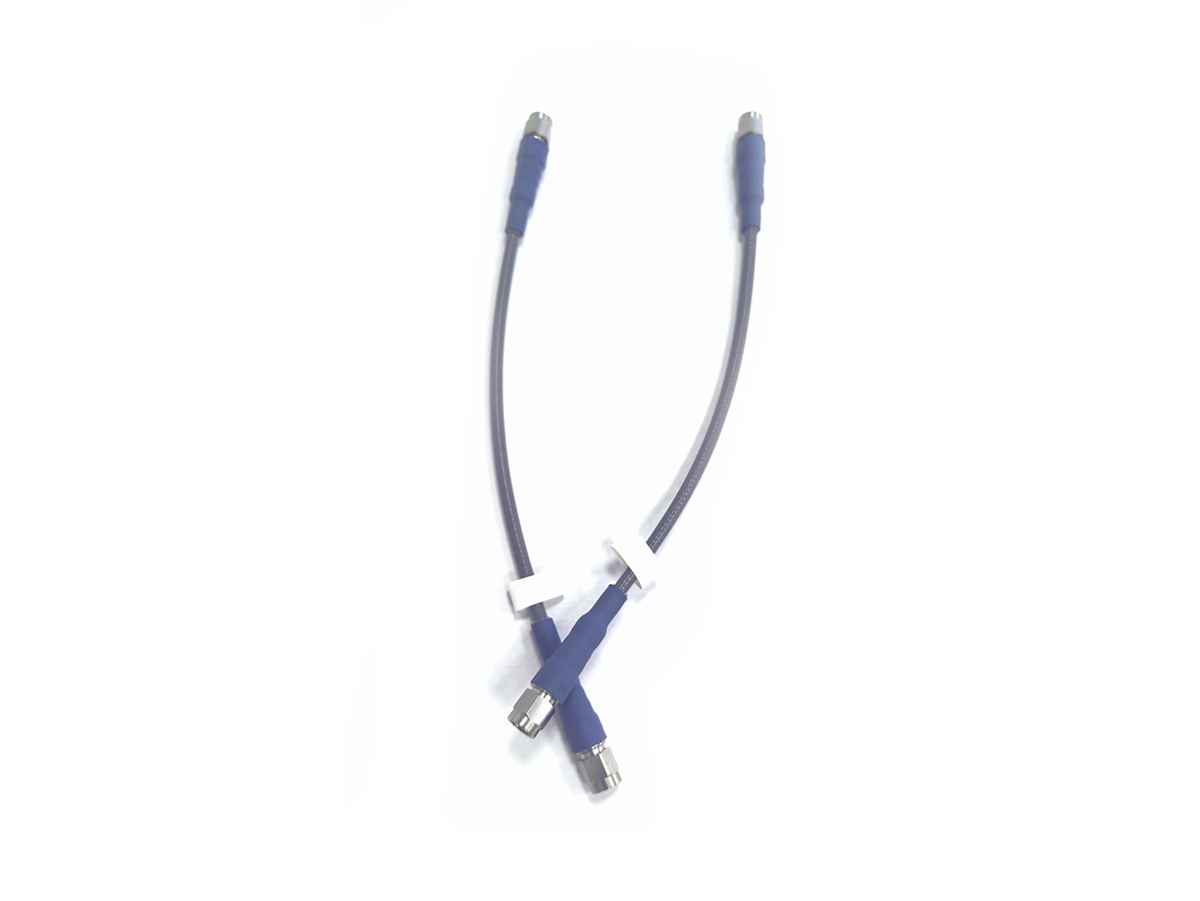
At their core, RF coaxial assemblies are a type of cable used to carry radio frequency signals. They consist of a central conductor, an insulating layer, a metallic shield, and an outer jacket. Sounds simple, right? But don't let the straightforward design fool you! The way these components work together is what makes them so effective.
Why They Matter
In our tech-driven world, maintaining signal integrity is crucial. RF coaxial assemblies are designed to minimize interference, leading to clearer communications. Imagine a world where your favorite video calls are constantly dropping—no thanks! So, the next time you enjoy a seamless conversation, give a nod to these assemblies!
Key Applications
These assemblies aren't just hanging around; they're busy powering several important applications:
- Telecommunications: Essential in mobile phones, base stations, and antennas.
- Broadcasting: Used in radio and TV stations to transmit signals.
- Aerospace and Defense: Critical in radar and satellite systems.
Types of RF Coaxial Assemblies
Not all RF coaxial assemblies are created equal! Here are a few types that you might encounter:
- Standard Coaxial Cables: The go-to option for most applications.
- Low-Loss Cables: Ideal for long-distance transmission.
- Flexible Assemblies: Perfect for tight spaces where movement is required.
Choosing the Right Assembly
When it comes to selecting the right RF coaxial assembly, you've got to consider a few factors:
- Frequency Range: Make sure it matches your application needs.
- Impedance: Standard options include 50Ω and 75Ω.
- Length: Assess the distance between components to avoid excessive signal loss.
Installation Tips
So you've got your assembly in hand—now what? Here are some handy tips for installation:
- Ensure a clean connection point to prevent any signal disruption.
- Use appropriate tools for cutting and stripping the cable.
- Test the assembly before full deployment to catch any potential issues early on.
The Future of RF Coaxial Assemblies
As technology continues to evolve, so do RF coaxial assemblies. With the rise of 5G and beyond, there's a growing demand for more efficient and reliable components. Manufacturers are working tirelessly to innovate, ensuring that these assemblies can keep up with the fast-paced world of communication.
Conclusion
In summary, RF coaxial assemblies are the unsung heroes of our communication systems. They provide essential connectivity while minimizing signal loss and interference. So, the next time you pick up your phone or tune into your favorite radio station, remember the crucial role these assemblies play. They truly are the backbone of modern communication!


Do you have Questions?
Not sure what you're looking for? Unable to find what you need?