

Why EMI Resistant Aerospace Cable is Essential for Military Aircraft
Release Date:2026-02-26


Why EMI Resistant Aerospace Cable is Essential for Military Aircraft
Understanding EMI and Its Impact on Aerospace Operations
Electromagnetic Interference (EMI) refers to the disruption of electronic devices caused by electromagnetic waves from various sources. In military aviation, where precision and reliability are paramount, EMI can pose significant risks. These interferences can lead to malfunctions in critical avionics systems, unauthorized communication disruptions, and even catastrophic failures during operations. Therefore, the use of EMI resistant aerospace cables is not merely advisable; it is essential for ensuring operational integrity.
What is EMI Resistant Aerospace Cable?
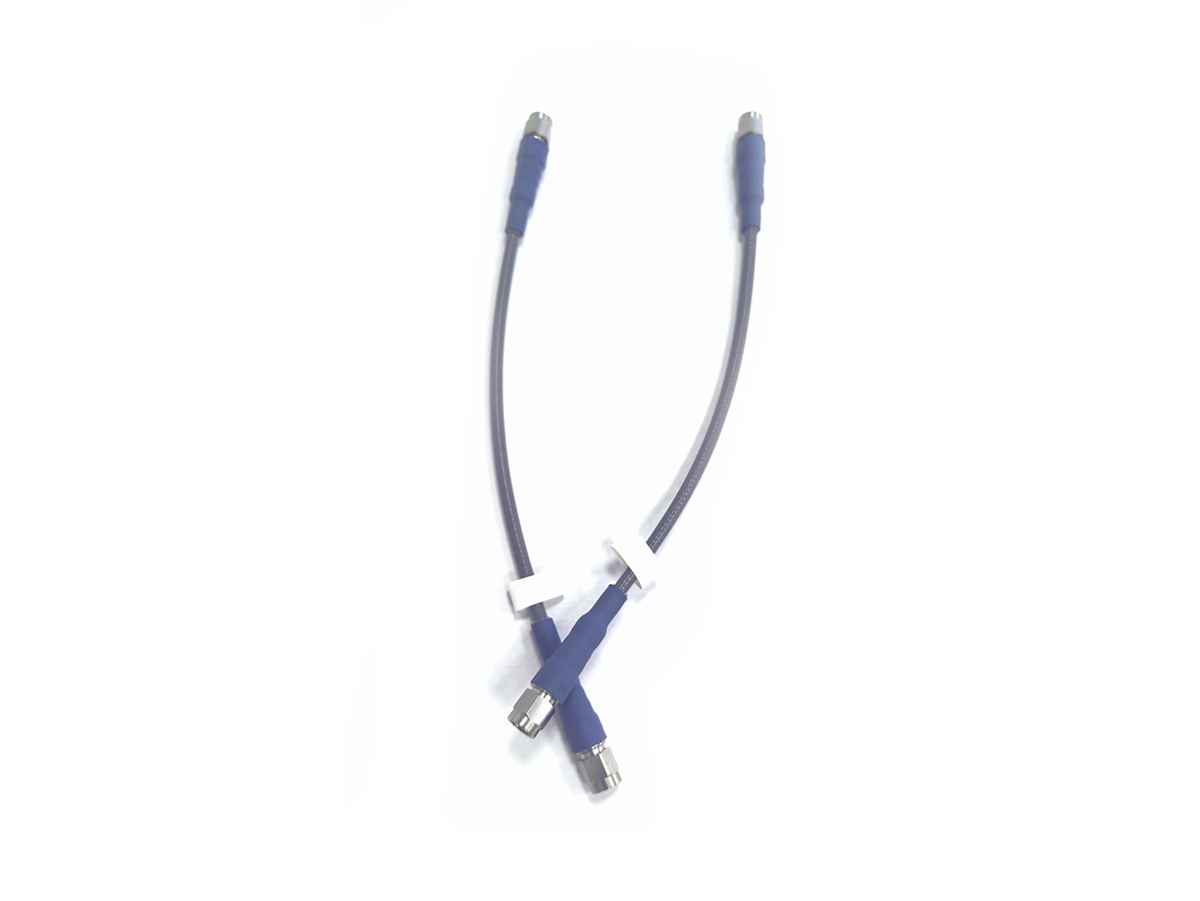
EMI resistant aerospace cables are specifically designed to mitigate the adverse effects of electromagnetic interference. These cables incorporate advanced shielding techniques, materials, and construction methods that prevent EMI from affecting the signal integrity and performance of the systems they connect. They are vital in applications where data integrity, signal clarity, and system reliability are non-negotiable.
Key Characteristics of EMI Resistant Cables
1. **Shielding**: Most EMI resistant cables utilize multiple layers of shielding, including foil and braided shields, that block external electromagnetic fields.
2. **Materials**: The construction employs specialized materials that not only resist interference but also meet stringent aerospace standards for weight and durability.
3. **Twisted Pair Configuration**: Many EMI resistant cables feature twisted pair designs which help cancel out any noise induced by external sources.
4. **Temperature Resistance**: These cables are built to withstand extreme temperature variations typical in military applications, ensuring consistent performance.
The Importance of EMI Resistance in Military Aircraft
Military aircraft operate under various conditions that can lead to high levels of EMI. To understand the necessity of EMI resistant cables, we must consider the following factors:
1. Avionics Performance and Reliability
Avionics systems, responsible for navigation, communication, and aircraft control, are susceptible to EMI. The failure of any avionics system can compromise missions and endanger lives. EMI resistant aerospace cables ensure that signals are transmitted without degradation, maintaining the reliability of aircraft operations.
2. Combat Situations and Electronic Warfare
In combat scenarios, military aircraft may be subjected to intentional jamming and interference from enemy forces. EMI resistant cables can withstand these conditions, allowing aircraft to maintain operational effectiveness and secure communications.
3. Safety Protocols and System Integrity
The safety of crew members is of utmost importance in military aviation. EMI can lead to failures in critical systems such as autopilot, navigation, and weapon systems. Using EMI resistant cables helps mitigate these risks, ensuring that all systems function as intended even in the presence of high electromagnetic fields.
Applications of EMI Resistant Aerospace Cables in Military Aircraft
EMI resistant cables are utilized across various systems in military aircraft, including:
1. Communication Systems
Reliable communication is vital for mission success. EMI resistant cables ensure that communication lines remain clear and functional, even in the most challenging environments.
2. Navigation Systems
Navigation technology relies on accurate data transmission. EMI resistant cables help maintain signal integrity, ensuring that navigation systems function correctly and reliably.
3. Weapon Control Systems
In military operations, precision is key. EMI resistant cables allow weapon control systems to operate without interference, enabling accurate targeting and engagement.
4. Flight Control Systems
Flight control systems must be highly responsive and reliable. The integration of EMI resistant cables ensures that these systems can function effectively, even in the presence of external electromagnetic disturbances.
Benefits of Using EMI Resistant Aerospace Cables
Investing in EMI resistant aerospace cables provides several advantages for military aircraft:
1. Enhanced Signal Integrity
EMI resistant cables ensure that signals remain strong and clear, reducing the risk of data loss or corruption. This is particularly important for systems that rely on real-time data transmission.
2. Increased Operational Safety
By minimizing the risks associated with EMI, these cables contribute to overall operational safety, protecting both personnel and equipment.
3. Greater Mission Success Rates
With reliable communication, navigation, and control systems, military aircraft are better equipped to complete their missions successfully. EMI resistant cables play a crucial role in achieving this reliability.
Challenges in Implementing EMI Resistant Cables
Despite their benefits, implementing EMI resistant aerospace cables can present challenges:
1. Cost Considerations
The production of high-quality EMI resistant cables often comes with higher costs compared to standard cables. Military budgets may limit the extent to which these cables can be incorporated into various systems.
2. Weight Constraints
Military aircraft must balance the need for robust systems with weight limitations. While EMI resistant cables can add weight, advancements in technology are helping to create lighter alternatives without sacrificing performance.
3. Technological Advancements
As technology evolves, so do the methods used to create EMI resistant cables. Keeping up with the latest advancements can be a challenge for manufacturers and military planners alike.
The Future of EMI Resistant Aerospace Cables in Military Aviation
The future holds promise for further advancements in EMI resistant aerospace cables. As military technology evolves, so will the demand for more sophisticated cables that can better withstand the challenges posed by EMI.
1. Developing Lighter and More Efficient Materials
Research is ongoing to find materials that offer better EMI resistance while reducing weight. This will enhance aircraft performance while ensuring the reliability of critical systems.
2. Integration with Emerging Technologies
As military operations increasingly incorporate advanced technologies such as artificial intelligence and unmanned systems, the need for robust EMI resistant cables will grow. These cables will be essential in ensuring the seamless operation of complex systems.
FAQs about EMI Resistant Aerospace Cable
1. What is the primary function of EMI resistant aerospace cables?
EMI resistant aerospace cables are designed to prevent electromagnetic interference from affecting the performance of electronic systems in military aircraft.
2. How do EMI resistant cables differ from standard cables?
EMI resistant cables incorporate specialized shielding and materials that block electromagnetic fields, unlike standard cables that may not provide such protection.
3. Are EMI resistant cables used only in military applications?
While primarily utilized in military aircraft, EMI resistant cables are also used in civilian aerospace, automotive, and industrial applications where reliability is critical.
4. What challenges do manufacturers face in producing EMI resistant cables?
Manufacturers must balance cost, weight, and technological advancements while ensuring that cables meet stringent performance standards.
5. Can EMI resistant cables be retrofitted into existing aircraft systems?
Yes, in many cases, EMI resistant cables can be retrofitted into existing military aircraft systems to enhance their performance and reliability.
Conclusion
In summary, EMI resistant aerospace cables are indispensable in the realm of military aviation. They play a crucial role in ensuring the reliability and integrity of systems that are vital for mission success and the safety of personnel. As technology continues to evolve, so too will the need for these specialized cables, emphasizing their importance in modern military operations. By investing in high-quality EMI resistant cables, military aircraft can achieve the performance and reliability needed to face the challenges of today’s complex operational environments.


Do you have Questions?
Not sure what you're looking for? Unable to find what you need?