

Essential Insights on RF Coaxial Assemblies: What You Need to Know
Release Date:2026-03-03


Image Source: unsplash
Understanding RF Coaxial Assemblies
Hey there! If you're diving into the world of RF coaxial assemblies, you might be wondering what all the fuss is about. These nifty components are essential in radio frequency applications, allowing signals to transmit with minimal interference. But before you jump in, let's chat about some vital things to keep in mind!
What Are RF Coaxial Assemblies?
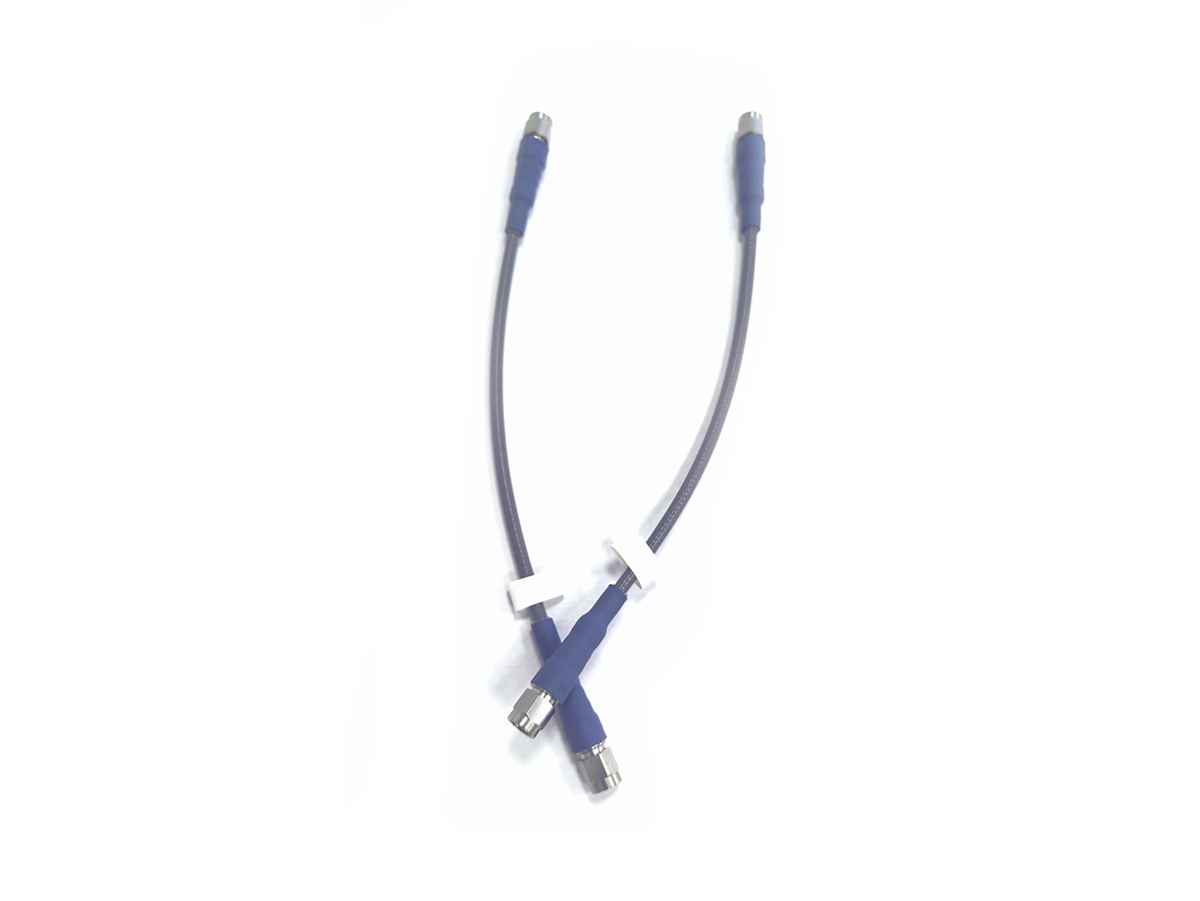
Simply put, RF coaxial assemblies are specialized cables designed to carry high-frequency signals. They consist of a central conductor, insulating layer, and an outer conductor, all wrapped up in a protective sheath. Easy peasy, right? But there's more to it than just the basic structure!
Choosing the Right Assembly
When selecting RF coaxial assemblies, it's crucial to consider the application. Whether you're working on telecommunications, broadcasting, or radar systems, the specific requirements can vary significantly. So, do your homework! Look for assemblies that meet your frequency, power, and environmental needs.
Material Matters
One of the most important factors is the materials used. For instance, copper is often chosen for its excellent conductivity, while certain plastics can provide necessary insulation. Don't forget to factor in durability against environmental conditions. You wouldn't want your assembly crapping out in the middle of a storm!
Installation Tips
Alright, let's get practical. When installing RF coaxial assemblies, ensure that all connections are tight and secure. Loose connections can lead to signal loss or interference. Also, avoid kinks and sharp bends in the cable. Treat it gently—like you would a delicate flower!
Testing and Maintenance
Once everything is set up, it's wise to test your assemblies. Use a network analyzer to measure parameters like return loss and insertion loss. Regular maintenance checks can help catch any issues before they escalate. Remember, prevention is better than cure!
Common Mistakes to Avoid
Now, let's talk about some common pitfalls. First up, don't ignore the specifications. Using the wrong assembly can lead to poor performance and costly repairs. Also, be wary of over-tightening connections—this can damage the assembly. Ouch!
Know Your Environment
Last but definitely not least, understand the environment in which your RF coaxial assemblies will operate. Factors like temperature, humidity, and exposure to chemicals can affect performance. So, choose accordingly! It's like dressing for the weather—nobody wants to be caught in the rain without an umbrella!
Conclusion
In a nutshell, RF coaxial assemblies are pivotal for reliable signal transmission. By keeping these considerations in mind, you'll be well on your way to ensuring optimal performance. So, go ahead and tackle those projects with confidence!


Do you have Questions?
Not sure what you're looking for? Unable to find what you need?