

Understanding the Unique Properties of LD-PTFE Low Loss Cable: A Comprehensive Guide
Release Date:2026-03-06


Understanding the Unique Properties of LD-PTFE Low Loss Cable
LD-PTFE (Low-Density Polytetrafluoroethylene) low loss cable has gained significant attention in recent years due to its exceptional electrical properties and versatility. This article delves into the unique characteristics of LD-PTFE low loss cables, their advantages, applications, and why they are increasingly preferred in modern electrical systems.
Table of Contents
- What is LD-PTFE Low Loss Cable?
- Key Properties of LD-PTFE Cable
- Advantages of LD-PTFE Low Loss Cable
- Applications of LD-PTFE Cable
- Installation and Maintenance Tips
- Comparing LD-PTFE with Other Cable Materials
- The Future of LD-PTFE Low Loss Cable
- FAQs
What is LD-PTFE Low Loss Cable?
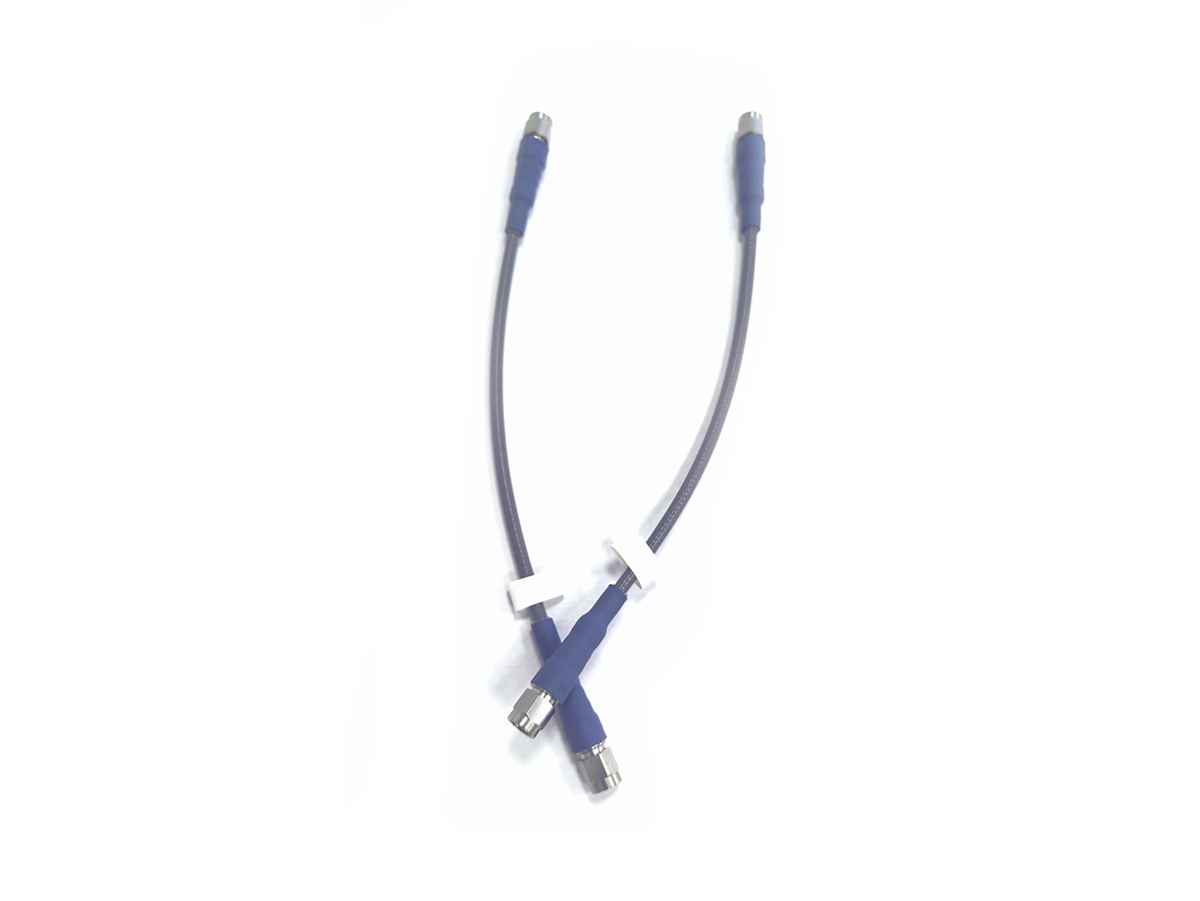
LD-PTFE low loss cable is a specialized type of wiring designed to minimize signal loss and ensure high performance in demanding applications. The cable is made from low-density polytetrafluoroethylene, a material known for its excellent dielectric properties and resistance to extreme temperatures. This section provides a foundational understanding of what LD-PTFE low loss cable is and how it functions.
Key Properties of LD-PTFE Cable
LD-PTFE cable is distinguished by several unique properties that make it suitable for a wide range of applications. Understanding these properties can help professionals make informed decisions when selecting cables for specific uses.
Dielectric Strength
One of the standout features of LD-PTFE cable is its impressive dielectric strength. This property refers to the ability of the material to withstand electric fields without conducting electricity. LD-PTFE exhibits a high dielectric strength, allowing it to maintain signal integrity even under high voltage conditions. This quality is particularly beneficial in telecommunications and data transmission applications, where signal degradation can lead to performance issues.
Low Loss Characteristics
As the name suggests, low loss cables are designed to minimize signal loss during transmission. LD-PTFE cables exhibit exceptionally low attenuation rates, which means that the signals maintain their strength over longer distances. This characteristic is essential for applications requiring high fidelity, such as audio and video transmission, where every decibel matters.
Thermal Stability
LD-PTFE cables can operate effectively across a broad temperature range, from -200°C to 260°C. This thermal stability allows the cables to be used in environments with extreme temperature fluctuations without compromising their performance. Professionals working in industries such as aerospace, automotive, and telecommunications rely on this stability to ensure consistent operation in challenging conditions.
Chemical Resistance
Another significant advantage of LD-PTFE low loss cables is their remarkable resistance to chemicals. LD-PTFE is inert and does not react with most chemicals, making it suitable for applications in harsh environments, such as chemical processing plants and laboratories. This resistance to corrosive substances ensures a longer lifespan and reduced maintenance costs.
Advantages of LD-PTFE Low Loss Cable
The unique properties of LD-PTFE cables translate into numerous advantages for various applications. Here are some of the key benefits:
1. **Enhanced Signal Integrity**: With its low loss characteristics, LD-PTFE cable ensures that signals transmitted across long distances remain intact, making it ideal for high-frequency applications.
2. **Versatility**: LD-PTFE low loss cables can be used in various sectors, including telecommunications, aerospace, automotive, and industrial applications. Their adaptability makes them a preferred choice for engineers and technicians.
3. **Durability**: The chemical and thermal resistance of LD-PTFE cable contributes to its durability. It can withstand harsh environmental conditions, reducing the likelihood of failure and the need for replacements.
4. **Cost-Effectiveness**: Although LD-PTFE cables may have a higher initial cost compared to standard cables, their long lifespan and reduced maintenance requirements make them a cost-effective choice in the long run.
5. **Safety**: LD-PTFE is non-toxic and does not emit harmful fumes when exposed to high temperatures, ensuring the safety of both equipment and personnel.
Applications of LD-PTFE Cable
LD-PTFE low loss cable is utilized across a wide range of industries due to its exceptional properties. Here are some common applications:
Telecommunications
In the telecommunications sector, LD-PTFE cables are used for high-speed data transmission. Their low loss characteristics make them suitable for connecting various equipment, including routers, switches, and antennas.
Aerospace
The aerospace industry demands reliable and lightweight materials. LD-PTFE low loss cables are often employed in aircraft systems for communication, navigation, and control. Their ability to perform under extreme temperatures and pressures makes them invaluable in this sector.
Automotive
With the rise of advanced driver-assistance systems (ADAS) and electric vehicles (EVs), the automotive industry has increasingly turned to LD-PTFE cables. These cables are used for high-frequency applications, such as radar and sensor systems, where maintaining signal integrity is crucial.
Industrial Automation
In industrial settings, LD-PTFE low loss cables are utilized in automation systems, robotics, and control systems to ensure reliable communication and data transmission. Their robustness and resistance to harsh chemicals make them ideal for factory environments.
Installation and Maintenance Tips
To maximize the performance and lifespan of LD-PTFE low loss cables, proper installation and maintenance are essential. Here are some tips to consider:
Proper Handling
LD-PTFE cables should be handled with care during installation. Avoid sharp bends, twists, or excessive force that could damage the cable structure. Ensure that the cable is routed away from heat sources and sharp objects to prevent wear and tear.
Regular Inspections
Conduct regular inspections of the cables to identify any signs of wear, damage, or corrosion. Promptly address any issues to prevent further complications that could affect performance.
Use Appropriate Connectors
When connecting LD-PTFE cables, use connectors specifically designed for low loss applications. This ensures optimal performance and minimizes signal degradation at connection points.
Follow Manufacturer Guidelines
Always adhere to the manufacturer's guidelines for installation and maintenance. This ensures that the cables are used as intended and that any warranty conditions are met.
Comparing LD-PTFE with Other Cable Materials
When selecting cables for specific applications, it's essential to compare LD-PTFE with other materials. Here’s how LD-PTFE stacks up against some common cable materials:
Copper Cable
While copper cables are widely used due to their excellent conductivity, they are more susceptible to oxidation, which can lead to signal degradation. LD-PTFE cables, on the other hand, maintain signal integrity over longer distances and are resistant to environmental factors.
Polyethylene (PE) Cable
Polyethylene cables are often chosen for their cost-effectiveness, but they lack the thermal stability and chemical resistance of LD-PTFE cables. In applications requiring durability and reliability, LD-PTFE is the superior choice.
Low-Density Polyethylene (LDPE) Cable
LDPE cables are lightweight and flexible, making them suitable for specific applications. However, they do not offer the same level of dielectric strength and low loss characteristics as LD-PTFE cables, making LD-PTFE the better option for high-performance requirements.
The Future of LD-PTFE Low Loss Cable
As technology advances, the demand for high-performance materials like LD-PTFE low loss cables is expected to grow. With the increasing reliance on high-frequency applications in telecommunications, aerospace, and automotive sectors, LD-PTFE cables will continue to play a crucial role in facilitating reliable communication and data transmission.
Innovations in manufacturing processes and the development of new formulations may further enhance the properties of LD-PTFE cables, making them even more versatile and efficient. As industries evolve, adapting to new technologies and applications will position LD-PTFE low loss cables at the forefront of electrical solutions.
FAQs
1. What makes LD-PTFE low loss cable different from traditional cables?
LD-PTFE low loss cables are specifically designed to minimize signal loss and maintain high performance over long distances, thanks to their unique dielectric properties and thermal stability.
2. Can LD-PTFE cables be used in outdoor applications?
Yes, LD-PTFE cables can be used in outdoor applications, provided they are installed with appropriate protective measures against environmental factors.
3. What is the temperature range for LD-PTFE cables?
LD-PTFE cables can operate effectively in temperatures ranging from -200°C to 260°C, making them suitable for various applications.
4. Are LD-PTFE cables more expensive than other types?
While LD-PTFE cables may have a higher initial cost, their durability and low maintenance requirements make them cost-effective in the long term.
5. How do I select the right LD-PTFE cable for my application?
Consider factors such as the required signal integrity, environmental conditions, and compatibility with connectors when selecting an LD-PTFE cable for your application.
Conclusion
In summary, LD-PTFE low loss cable is a superior choice for applications requiring high performance, durability, and resistance to environmental challenges. Its unique properties, including low loss characteristics, thermal stability, and chemical resistance, make it an ideal solution for various industries, from telecommunications to aerospace. By understanding the benefits and applications of LD-PTFE cables, professionals can make informed decisions that enhance system performance and reliability. Investing in LD-PTFE low loss cable is not just a choice; it is a commitment to quality and excellence in electrical systems.


Do you have Questions?
Not sure what you're looking for? Unable to find what you need?