

RG316 Coaxial Cable Assembly: A Comprehensive Guide for Electrical Engineers
Release Date:2026-03-18


RG316 Coaxial Cable Assembly: A Comprehensive Guide for Electrical Engineers
Table of Contents
- 1. Introduction to RG316 Coaxial Cable
- 2. Structure and Specifications of RG316 Coaxial Cable
- 3. Common Applications of RG316 Coaxial Cable
- 4. RG316 Coaxial Cable Assembly Techniques
- 5. Essential Tools for Assembling RG316 Cables
- 6. Troubleshooting RG316 Coaxial Cable Assemblies
- 7. Best Practices for RG316 Coaxial Cable Installation
- 8. Conclusion
- 9. Frequently Asked Questions (FAQs)
1. Introduction to RG316 Coaxial Cable
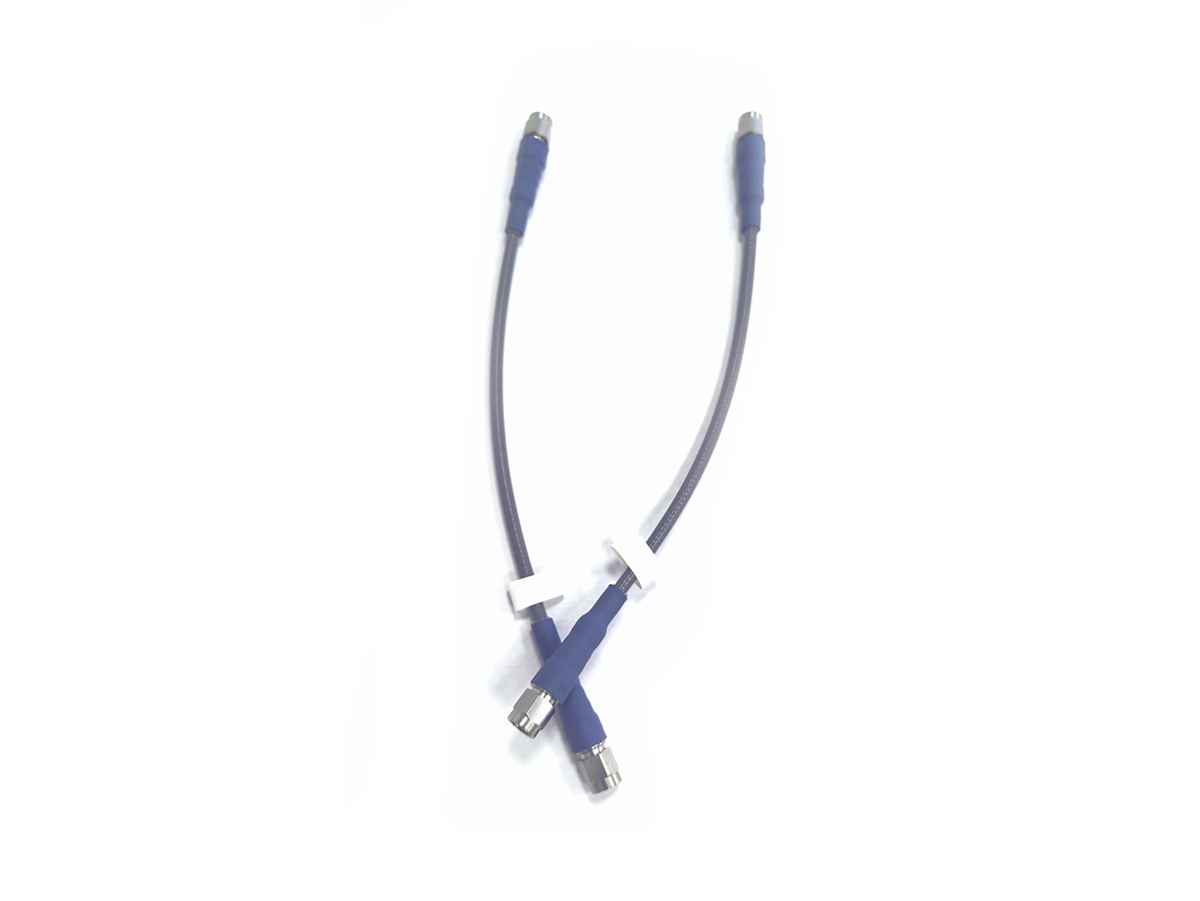
In the realm of electrical engineering, understanding the components and assemblies that facilitate effective signal transmission is essential. **RG316 coaxial cable** stands out as a popular choice for numerous applications due to its versatility and performance capabilities. This article delves into the specifics of RG316 coaxial cable assembly, guiding electrical engineers through its structure, applications, assembly techniques, and troubleshooting methods.
2. Structure and Specifications of RG316 Coaxial Cable
RG316 coaxial cable consists of several key components that contribute to its performance:
2.1 Core Conductor
The center of RG316 features a solid copper conductor, which ensures efficient signal transmission.
2.2 Dielectric Insulation
Surrounding the core conductor is a layer of **PTFE (Polytetrafluoroethylene)** dielectric insulation, providing excellent electrical insulation and high-temperature resistance.
2.3 Shielding
The cable is further protected by a combination of braided and foil shields that prevent electromagnetic interference (EMI), enhancing signal integrity.
2.4 Outer Jacket
Finally, the outer jacket is made from a durable material that protects the cable from environmental factors, ensuring longevity and reliability in various installations.
2.5 Specifications
- **Impedance**: 50 Ohms
- **Frequency Range**: Up to 6 GHz
- **Temperature Rating**: -55°C to +200°C
- **Capacitance**: 30.5 pF/m
3. Common Applications of RG316 Coaxial Cable
The versatility of RG316 coaxial cable lends itself to various applications:
3.1 Military and Aerospace
RG316 is widely used in military communication systems, avionics, and space applications due to its reliable performance in extreme conditions.
3.2 Telecommunications
In telecommunications, RG316 is utilized for connecting antennas, base stations, and other communication devices, ensuring stable signal transmission.
3.3 Medical Equipment
The cable is also found in medical devices, where high-frequency signals are required, owing to its low-loss characteristics.
3.4 Broadcasting
Broadcasting stations use RG316 cables for transmitting signals from transmitters to antennas, benefiting from its ability to maintain signal integrity over distances.
4. RG316 Coaxial Cable Assembly Techniques
Assembling RG316 coaxial cables requires precision and attention to detail. Here are the steps involved in the assembly process:
4.1 Preparing the Cable
Start by cutting the RG316 cable to the desired length. Ensure the cut is clean and straight to facilitate proper termination.
4.2 Stripping the Cable
Use a coaxial cable stripper to remove the outer jacket and expose the braided shield without damaging the inner dielectric. This step is crucial for a successful connection.
4.3 Exposing the Inner Conductor
Carefully strip back the dielectric insulation to expose the inner conductor, ensuring it remains intact for optimal signal transmission.
4.4 Attaching Connectors
Select appropriate connectors for your application, such as SMA, BNC, or N-type connectors. Firmly attach the connectors to the cable ends and ensure a proper fit.
4.5 Testing the Assembly
Once assembled, test the cable using a network analyzer to verify signal integrity and check for any potential issues.
5. Essential Tools for Assembling RG316 Cables
Having the right tools is vital for successful RG316 coaxial cable assembly:
5.1 Coaxial Cable Stripper
Investing in a quality coaxial cable stripper allows for precise stripping of the cable without risking damage to the inner components.
5.2 Crimping Tool
A reliable crimping tool is essential for securely attaching connectors to the cable.
5.3 Multimeter
A multimeter is useful for measuring resistance and continuity, ensuring that the cable assembly functions correctly.
5.4 Network Analyzer
For advanced testing, a network analyzer helps evaluate signal quality and performance, crucial for high-frequency applications.
6. Troubleshooting RG316 Coaxial Cable Assemblies
Even with careful assembly, issues can arise. Here are common problems and their solutions:
6.1 Signal Loss
Signal loss can occur due to poor connections or damaged cable. Inspect the cable assembly and connectors to ensure a secure fit.
6.2 Interference
Electromagnetic interference can disrupt signals. Ensure proper shielding and separation from other electrical devices to minimize interference.
6.3 Connector Issues
Loose or improperly crimped connectors can lead to signal degradation. Double-check the connectors and re-crimp if necessary.
7. Best Practices for RG316 Coaxial Cable Installation
To ensure optimal performance and longevity of your RG316 coaxial cable installations, consider the following best practices:
7.1 Proper Routing
Route cables away from power lines and sources of interference to maintain signal integrity.
7.2 Avoiding Sharp Bends
Avoid sharp bends and kinks in the cable to prevent damage to the dielectric and maintain performance.
7.3 Secure Connections
Regularly check and tighten connections to prevent signal loss over time.
7.4 Environmental Considerations
Consider the installation environment and protect the cable from extreme temperatures, moisture, and physical damage.
8. Conclusion
Understanding the intricacies of RG316 coaxial cable assembly is vital for electrical engineers involved in various fields, from telecommunications to aerospace. By comprehending its structure, applications, assembly techniques, and best practices, engineers can ensure optimal performance and reliability in their projects. Mastery of RG316 coaxial cables not only enhances signal integrity but also contributes to the overall success of engineering endeavors.
9. Frequently Asked Questions (FAQs)
9.1 What is RG316 coaxial cable used for?
RG316 coaxial cable is commonly used in military, aerospace, telecommunications, medical equipment, and broadcasting applications due to its excellent signal transmission capabilities.
9.2 How do you assemble RG316 coaxial cable?
The assembly process involves preparing the cable, stripping it to expose conductors, attaching connectors, and testing the finished assembly for signal integrity.
9.3 What tools are needed for RG316 cable assembly?
Essential tools include a coaxial cable stripper, crimping tool, multimeter, and network analyzer for testing.
9.4 How can I troubleshoot signal loss in RG316 cables?
Check for poor connections, inspect the cable for damage, and ensure proper shielding to reduce signal loss.
9.5 What are the advantages of RG316 over other coaxial cables?
RG316 offers lower signal loss, better flexibility, and higher temperature resistance compared to many other coaxial cables, making it ideal for various demanding applications.
This comprehensive guide aims to equip electrical engineers with the knowledge necessary to efficiently work with RG316 coaxial cable assemblies, ensuring they can handle projects with confidence and expertise.


Do you have Questions?
Not sure what you're looking for? Unable to find what you need?