

Navigating the Nuances of Phase Stable Coaxial Cable
Release Date:2026-03-23


Image Source: unsplash
Understanding Phase Stable Coaxial Cable
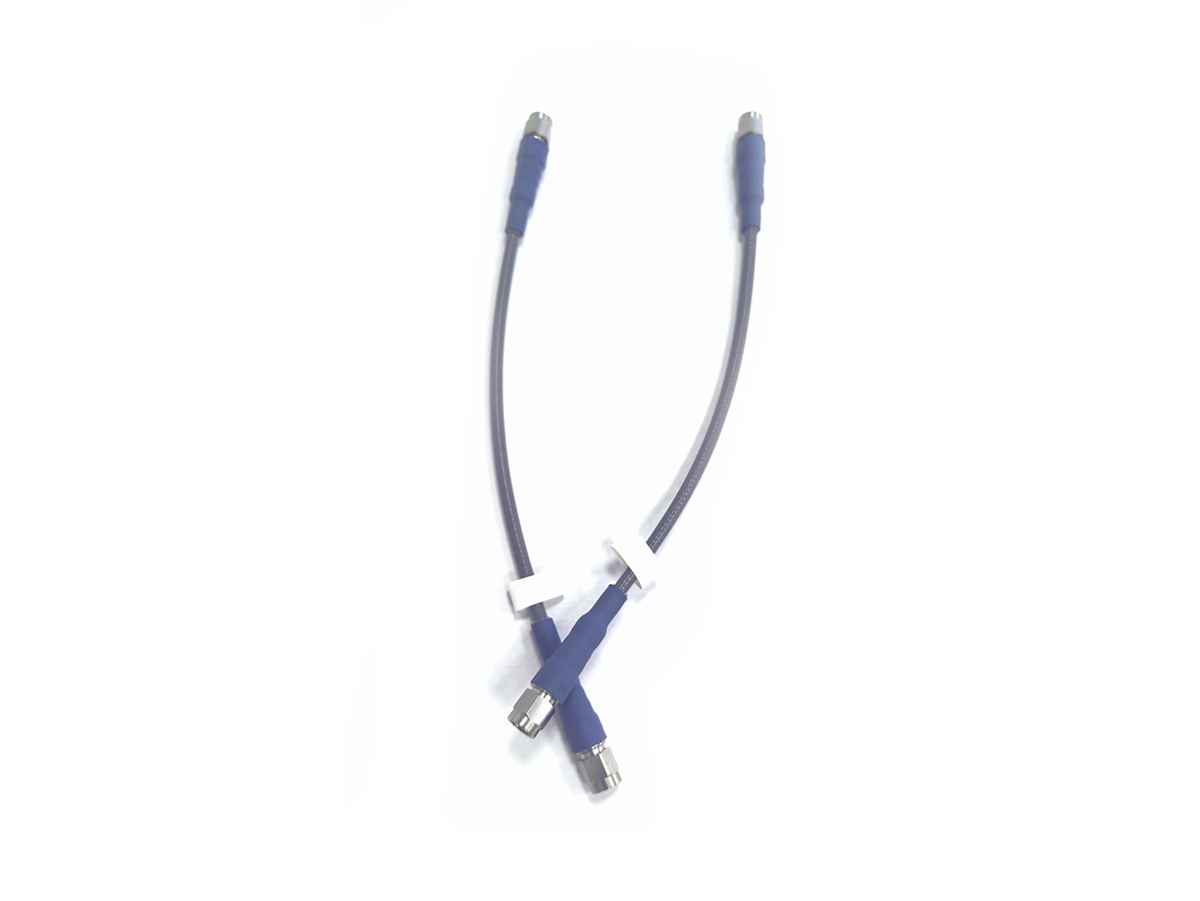
When it comes to maintaining signal integrity in high-performance applications, the phase stable coaxial cable is a key player in the game. This type of cable is designed to minimize phase shifts and variations, ensuring that your signals remain consistent and reliable. But before you dive headfirst into using this technology, let's take a closer look at several important considerations.
Why Phase Stability Matters
First off, let's talk about why phase stability is such a big deal. In many electronic systems, especially those involving RF communications, even a tiny phase shift can lead to significant performance issues. Think about it: if you're trying to send a signal over a distance, any alteration can create a mess on the receiving end. So, phase stable coaxial cable is designed to keep those signals in check.
Key Features to Look For
- Low Loss: A cable that minimizes signal loss is essential for maintaining high quality.
- Temperature Stability: Make sure it performs well across a range of temperatures.
- Shielding: Adequate shielding protects against external interference, which can be a game changer.
Installation Tips for Success
Installing your phase stable coaxial cable is just as crucial as the cable itself. Here are some pointers to help you get it right:
- Plan Your Path: Before you start, map out where the cable will go. Avoid sharp bends and tight corners.
- Use Quality Connectors: Pair your cable with high-quality connectors to ensure a seamless connection.
- Secure It Properly: Use cable ties or clips to keep your cable in place, but don't tighten them too much; you don't want to damage the cable.
Common Mistakes to Avoid
Even seasoned pros can stumble when it comes to using phase stable coaxial cables. Here are some common pitfalls:
- Using the Wrong Type: Make sure you choose the right cable for your specific application. Not all coaxial cables are created equal!
- Neglecting Maintenance: Regularly check your installation for signs of wear and tear. A little TLC can go a long way.
Future Trends in Coaxial Technology
As technology evolves, so does the design of phase stable coaxial cables. With the rise of 5G and other advanced communication technologies, manufacturers are continuously improving performance factors like bandwidth and signal integrity. Staying updated on these trends can give you an edge in your projects.
Final Thoughts
In summary, when working with phase stable coaxial cable, it's essential to keep these considerations in mind. From installation tips to avoiding common mistakes, a little knowledge can save you a lot of headaches down the line. So, gear up and get ready to tackle your next project with confidence!


Do you have Questions?
Not sure what you're looking for? Unable to find what you need?