

The Intricacies of Cable Assembly: A Guide for Enthusiasts and Pros
Release Date:2026-04-30


Image Source: unsplash
Understanding Cable Assembly
Cable assembly is a critical process in the manufacturing of electronic devices, connecting various components to ensure smooth communication and functionality. From the simplest gadgets to complex machinery, every device relies on a well-designed cable assembly to operate correctly. But what exactly does this entail? Let's break it down.
What is Cable Assembly?
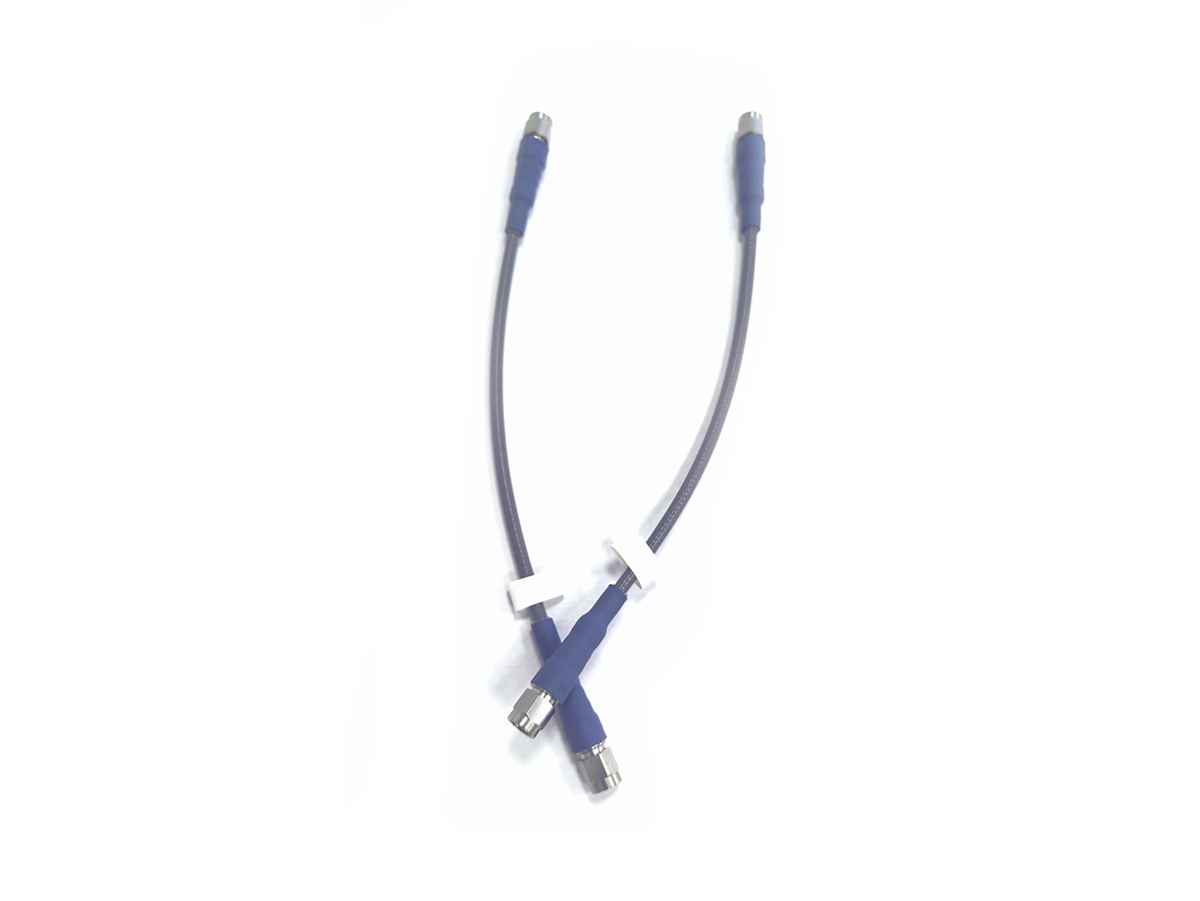
In layman's terms, cable assembly refers to the assembly of cables that connect different electronic components. This can include everything from wires, connectors, and terminals to more sophisticated elements like heat shrink tubing and protective jackets. Essentially, it's like the lifeline of your electronic device!
The Importance of Quality
Now, you might be thinking, “What's the big deal about quality in cable assembly?” Well, let me tell you, cutting corners here can lead to major headaches down the line. Poorly assembled cables can cause signal loss, short circuits, or even device failure. Yikes! That's why investing in high-quality materials and expert assembly is crucial.
Types of Cable Assemblies
When it comes to cable assembly, variety is the spice of life! Here are a few popular types:
- Power Cable Assemblies: These carry electrical power to devices.
- Data Cable Assemblies: Used for transmitting data, think USB or Ethernet cables.
- Fiber Optic Cable Assemblies: Essential for high-speed internet and telecommunications.
- Custom Cable Assemblies: Tailored to specific requirements, these are perfect for unique projects.
The Manufacturing Process
Creating a cable assembly is no walk in the park. It typically involves several steps:
- Designing the assembly based on the requirements.
- Choosing suitable materials to ensure durability and performance.
- Assembling the components with precision.
- Testing the final product to guarantee functionality and reliability.
Applications Across Industries
Cable assemblies are everywhere! From automotive to aerospace, healthcare to telecommunications, their applications are vast. For instance, in the automotive industry, they connect various sensors and systems, ensuring everything runs smoothly. In healthcare, you'll find them in medical devices, where precision is paramount. Talk about versatility!
Future Trends in Cable Assembly
As technology evolves, so does cable assembly. Here are a few trends to keep an eye on:
- Increased Automation: Automation in manufacturing processes is on the rise, improving efficiency and reducing errors.
- Miniaturization: As devices get smaller, cable assemblies are adapting to fit compact designs.
- Eco-friendly Materials: There's a growing emphasis on sustainability, leading to the use of recyclable materials in cable assemblies.
Conclusion
So, there you have it! Cable assembly is not just about connecting wires; it's about creating a reliable lifeline for our electronic world. Whether you're a DIY enthusiast or a seasoned professional, understanding the basics of cable assembly can greatly enhance your projects. Remember, quality matters, and a well-assembled cable can make all the difference!


Do you have Questions?
Not sure what you're looking for? Unable to find what you need?