

Exploring the Role of Lvds High-Speed Data Cable in Aviation
Release Date:2026-05-10


Image Source: unsplash
Understanding Aviation Data Needs
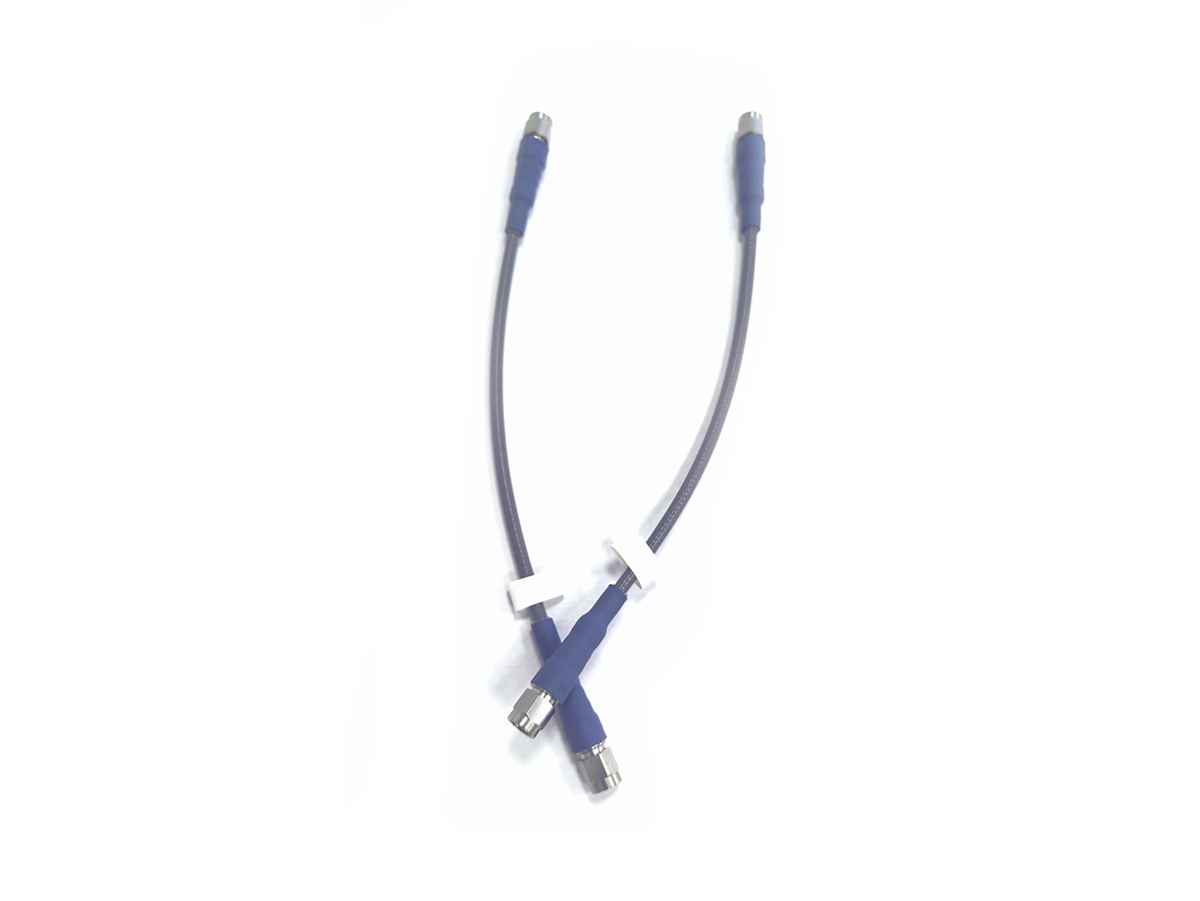
When it comes to aviation, data transmission is a critical aspect that can't be overlooked. With the increasing complexity of aircraft systems, the demand for reliable and rapid data transfer has skyrocketed. This is where the Lvds High-Speed Data Cable for Aviation steps in, playing a vital role in ensuring seamless communication between various components.
What is Lvds Technology?
Lvds, or Low Voltage Differential Signaling, is a technology designed to transmit data over a cable at high speeds while minimizing the risk of interference. It's particularly useful in environments like aviation, where electromagnetic interference is a concern. But why should you care? Well, let's just say that any hiccup in data transfer could lead to significant operational challenges.
The Importance of High-Speed Data Cables
High-speed data cables, especially those designed for aviation, are engineered to handle vast amounts of data efficiently. Think about it—pilots rely on real-time data for navigation, system monitoring, and safety checks. A delay or malfunction in data transmission can be a recipe for disaster. Hence, using robust cables like the Lvds High-Speed Data Cable for Aviation is crucial.
Benefits of Using Lvds Cables
- Reduced Signal Loss: The differential signaling technique helps in reducing signal degradation over long distances, ensuring that the data received is as accurate as it was transmitted.
- Enhanced Speed: These cables support high data rates, making them ideal for complex aviation systems that require instant data updates.
- Lightweight Design: Aviation demands lightweight materials; Lvds cables fit the bill, making them easier to install without adding unnecessary weight to the aircraft.
Applications in Aviation
From cockpit displays to avionics systems, the applications of Lvds High-Speed Data Cables in aviation are numerous. These cables are integral to systems that manage everything from flight controls to passenger entertainment. Their ability to provide high-speed data transfer while being resilient against environmental factors is what sets them apart.
Future Trends
As technology advances, the aviation industry continues to evolve. The integration of more sophisticated systems will likely increase the demand for high-speed data cables. Innovations in Lvds technology may lead to even faster and more reliable data transmission solutions, enabling pilots and ground control to operate more efficiently than ever before.
Wrapping It Up
In conclusion, the Lvds High-Speed Data Cable for Aviation is an unsung hero of the skies. It plays a pivotal role in ensuring that aircraft systems communicate effectively, contributing to the overall safety and efficiency of air travel. As we look ahead, investing in quality data transmission solutions will be key to keeping the aviation industry soaring high.


Do you have Questions?
Not sure what you're looking for? Unable to find what you need?