

Revving Up Aviation: The Role of Lvds High-Speed Data Cable
Release Date:2026-05-13


Image Source: unsplash
The Sky's the Limit: Lvds High-Speed Data Cable in Aviation
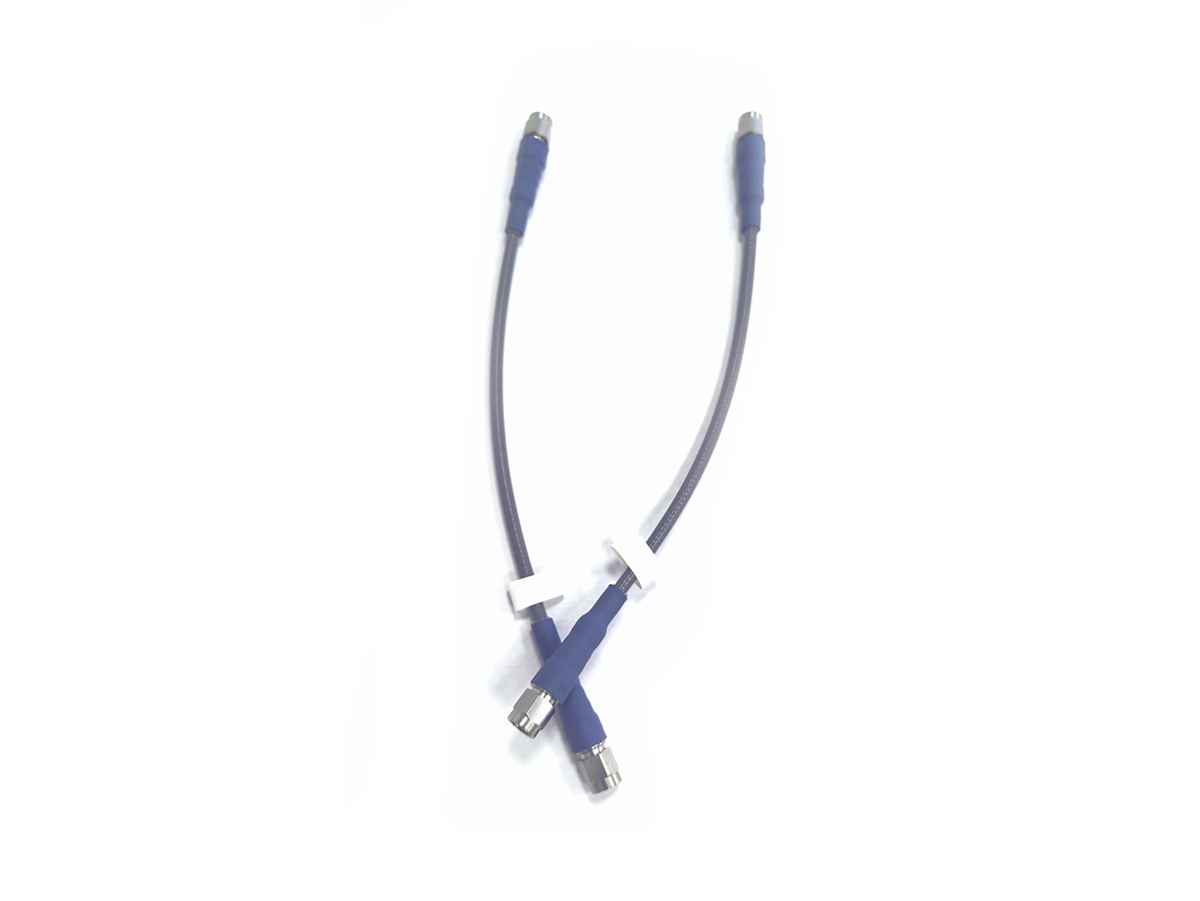
When it comes to aviation, connectivity is everything. Pilots, engineers, and passengers rely on fast and reliable data transfer to ensure safety and efficiency. Enter the Lvds High-Speed Data Cable for Aviation—a game changer that's making waves in the industry.
What is Lvds Technology?
First off, Lvds stands for Low Voltage Differential Signaling. Sounds fancy, right? But here's the scoop: it's a method that allows high-speed data transmission while minimizing interference. This technology is particularly crucial in aviation, where every second counts.
Why Choose Lvds High-Speed Data Cable?
Now, you might be wondering, why go for Lvds High-Speed Data Cable for Aviation? Well, let's break it down:
- Speed: With data rates reaching up to several gigabits per second, this cable ensures that information zips through without a hitch.
- Reliability: Designed to withstand the harsh conditions of flight, these cables are built tough. They resist vibration, temperature extremes, and electromagnetic interference—talk about resilience!
- Compact Design: Space is always at a premium in aircraft. Lvds cables are thinner and lighter compared to traditional cables, making them an excellent choice for modern avionics.
Applications in Aviation
So, where exactly do these cables fit into the aviation puzzle? Here are a few key applications:
- Avionics: From navigation systems to flight controls, Lvds cables play a crucial role in ensuring seamless communication between devices.
- In-Flight Entertainment: Let's face it, who doesn't love a good movie at 30,000 feet? These cables help deliver high-quality video and audio to passengers.
- Aircraft Maintenance: Lvds technology is also used in diagnostic tools that monitor aircraft systems, helping engineers catch issues before they become a problem.
The Future is Bright
As the aviation industry continues to evolve, the demand for faster and more reliable data transmission will only grow. Lvds High-Speed Data Cable for Aviation is poised to play a pivotal role in this transformation. Innovations in materials and design will likely enhance their capabilities even further, making them indispensable in the skies.
Conclusion
In a nutshell, the Lvds High-Speed Data Cable for Aviation is more than just a cable; it's a lifeline connecting various systems within an aircraft. As technology advances, so too will the ways we keep our skies safe and efficient. Buckle up, folks! The future of aviation is just around the corner, and it's looking bright!


Do you have Questions?
Not sure what you're looking for? Unable to find what you need?