

Understanding Low Skew Differential Signal Cables: A Comprehensive Guide
Release Date:2026-05-13


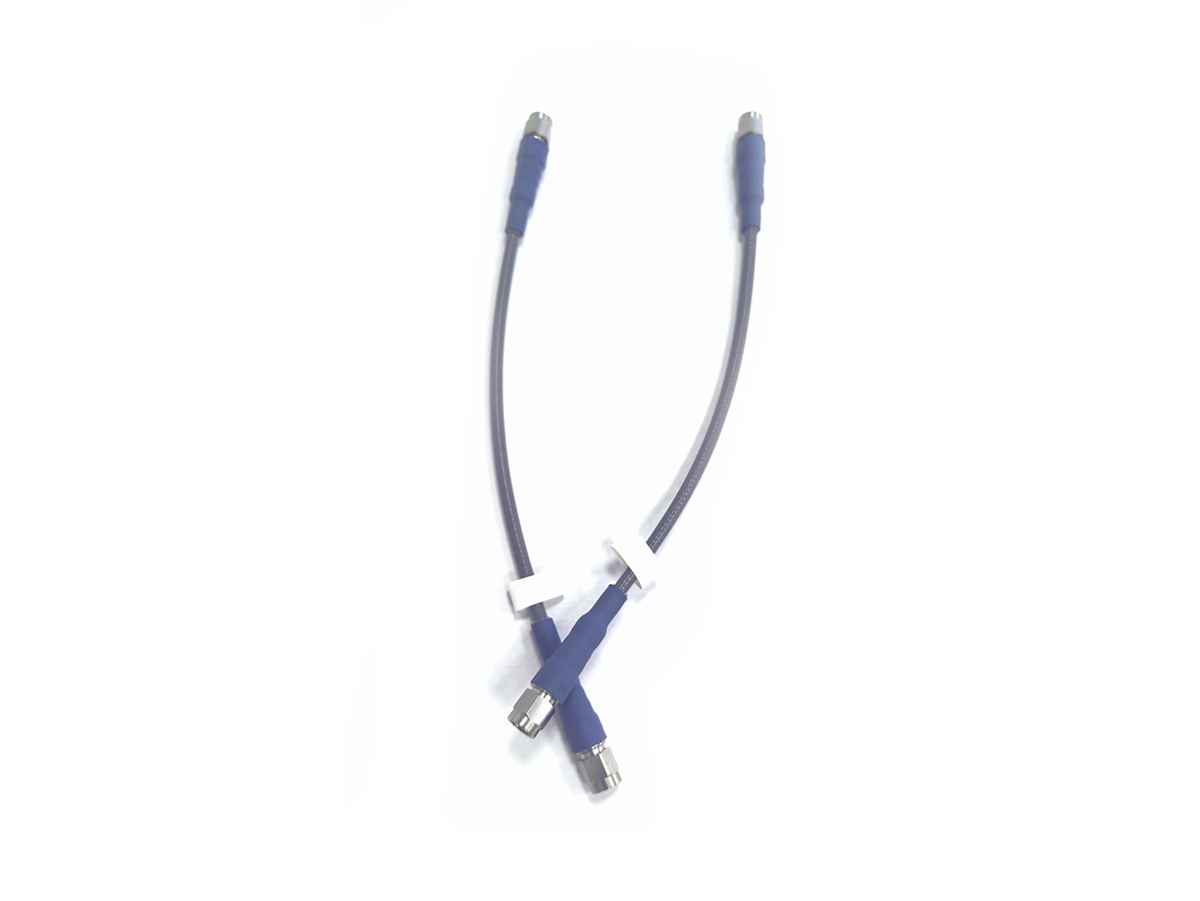
Low skew differential signal cables are essential components in modern electrical engineering and telecommunications, specifically designed to deliver high-quality data transmission with minimal signal degradation. These cables facilitate the transfer of differential signals, which are crucial for reducing electromagnetic interference and ensuring reliable communication in high-speed applications.
The term "low skew" refers to the minimized time difference in the arrival of signals between the two conductors within the cable. In differential signaling, two complementary signals are transmitted simultaneously to improve noise immunity. Low skew is critical because variations in signal timing can lead to data errors, making these cables especially valuable in environments where precision is vital, such as data centers, telecommunications, and high-frequency applications.
One of the most significant advantages of low skew differential signal cables is their ability to maintain signal integrity over long distances. The construction of these cables typically involves twisted pairs of conductors, which help cancel out electromagnetic interference from external sources. Additionally, the materials used in these cables are optimized for high-frequency performance, ensuring that the signals remain consistent and clear.
In terms of applications, low skew differential signal cables are widely used in various fields, including computer networking, audio/video equipment, and industrial automation. For instance, in high-speed data communications, such as USB 3.0 or HDMI, these cables are crucial for transmitting data quickly and accurately. Their low skew characteristics allow for reliable transmission even at the highest data rates.
When selecting low skew differential signal cables, it is essential to consider factors such as cable length, impedance, and the specific requirements of the application. High-quality cables will often employ advanced shielding techniques to further reduce interference, thereby enhancing performance in challenging environments.
In summary, low skew differential signal cables play a pivotal role in ensuring effective and reliable data transmission in numerous applications. Their ability to minimize timing discrepancies between signals, coupled with their design to resist interference, makes them indispensable in today’s fast-paced and demanding technological landscape. Whether you are a professional in telecommunications, data processing, or industrial automation, understanding the nuances of these cables can significantly enhance your project's success.
The term "low skew" refers to the minimized time difference in the arrival of signals between the two conductors within the cable. In differential signaling, two complementary signals are transmitted simultaneously to improve noise immunity. Low skew is critical because variations in signal timing can lead to data errors, making these cables especially valuable in environments where precision is vital, such as data centers, telecommunications, and high-frequency applications.
One of the most significant advantages of low skew differential signal cables is their ability to maintain signal integrity over long distances. The construction of these cables typically involves twisted pairs of conductors, which help cancel out electromagnetic interference from external sources. Additionally, the materials used in these cables are optimized for high-frequency performance, ensuring that the signals remain consistent and clear.
In terms of applications, low skew differential signal cables are widely used in various fields, including computer networking, audio/video equipment, and industrial automation. For instance, in high-speed data communications, such as USB 3.0 or HDMI, these cables are crucial for transmitting data quickly and accurately. Their low skew characteristics allow for reliable transmission even at the highest data rates.
When selecting low skew differential signal cables, it is essential to consider factors such as cable length, impedance, and the specific requirements of the application. High-quality cables will often employ advanced shielding techniques to further reduce interference, thereby enhancing performance in challenging environments.
In summary, low skew differential signal cables play a pivotal role in ensuring effective and reliable data transmission in numerous applications. Their ability to minimize timing discrepancies between signals, coupled with their design to resist interference, makes them indispensable in today’s fast-paced and demanding technological landscape. Whether you are a professional in telecommunications, data processing, or industrial automation, understanding the nuances of these cables can significantly enhance your project's success.


Do you have Questions?
Not sure what you're looking for? Unable to find what you need?