

Understanding the Functionality of Aerospace Data Cables and RF Coaxial Lines
Release Date:2026-05-14


A Deep Dive into Aerospace Data Connections
When it comes to the intricate world of aerospace technology, understanding how different components work together is crucial. One of the unsung heroes in this field is the aerospace data cable. These cables play a vital role in ensuring reliable communication and data transfer in aircraft systems. But how do they actually function?
The Anatomy of Aerospace Data Cables
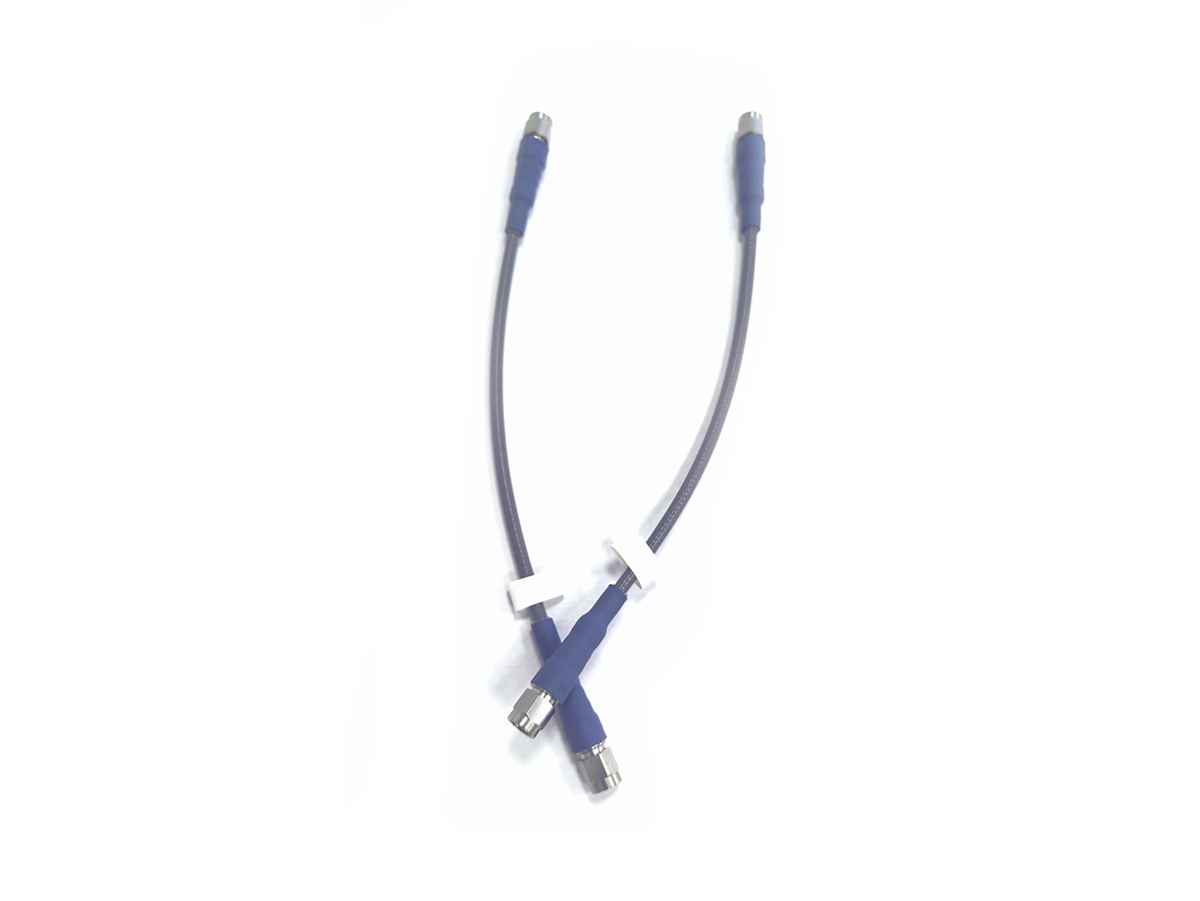
At their core, aerospace data cables are designed to handle high-frequency signals while minimizing signal loss. They consist of a central conductor, insulation, and an outer shield. This structure not only protects the data but also ensures that interference from external signals is kept at bay. For engineers, the efficiency of these cables is paramount, especially in environments where reliability is non-negotiable.
RF Coaxial Lines: The Backbone of Communication
Now, let's shift gears and talk about RF coaxial lines. These are crucial in transmitting radio frequency signals. Their unique design, which includes a conductor surrounded by a dielectric layer and an outer conductor, makes them excellent at preventing signal degradation. This means that when you're flying at 30,000 feet, your communication systems are working flawlessly, thanks to these lines.
Why Phase Stability Matters
One term you might hear thrown around is phase-stable components. These are specifically engineered to maintain signal integrity over varying conditions, such as temperature changes or mechanical stress. Think of them as the steady hand in a chaotic environment, ensuring that signals remain consistent and reliable.
How Do These Components Work Together?
Picture this: an aircraft needs to transmit data from its sensors to the cockpit in real time. This is where aerospace data cables, RF coaxial lines, and phase-stable components join forces. The data cables carry the signals, while the RF lines ensure those signals can travel great distances without losing fidelity. Meanwhile, the phase-stable components maintain the quality of the data being transmitted, regardless of external factors.
Real-World Applications
This technology is not just theoretical—it has practical applications in everything from commercial airlines to military jets. In the high-stakes world of aviation, any hiccup in data transmission can lead to serious consequences. Thus, the synergy between aerospace data cables, RF coaxial lines, and phase-stable components is pivotal for safe and efficient air travel.
The Future of Aerospace Data Transmission
As technology advances, so do the materials and designs used in these components. Innovations in fiber optics and new shielding materials are on the horizon, promising even better performance. For those in the aerospace industry, staying ahead of these trends is essential to maintain operational excellence.
Conclusion
In summary, understanding the aerospace data cable, RF coaxial line, and phase-stable components is key to grasping how modern aircraft operate. These components don't just facilitate communication; they ensure that every flight is a safe one. As we look to the future, the evolution of these technologies will undoubtedly pave the way for more advanced systems in aviation.


Do you have Questions?
Not sure what you're looking for? Unable to find what you need?