

Navigating the Essentials of Lvds High-Speed Data Cable for Aviation
Release Date:2026-05-15


Image Source: unsplash
Understanding Lvds High-Speed Data Cable for Aviation
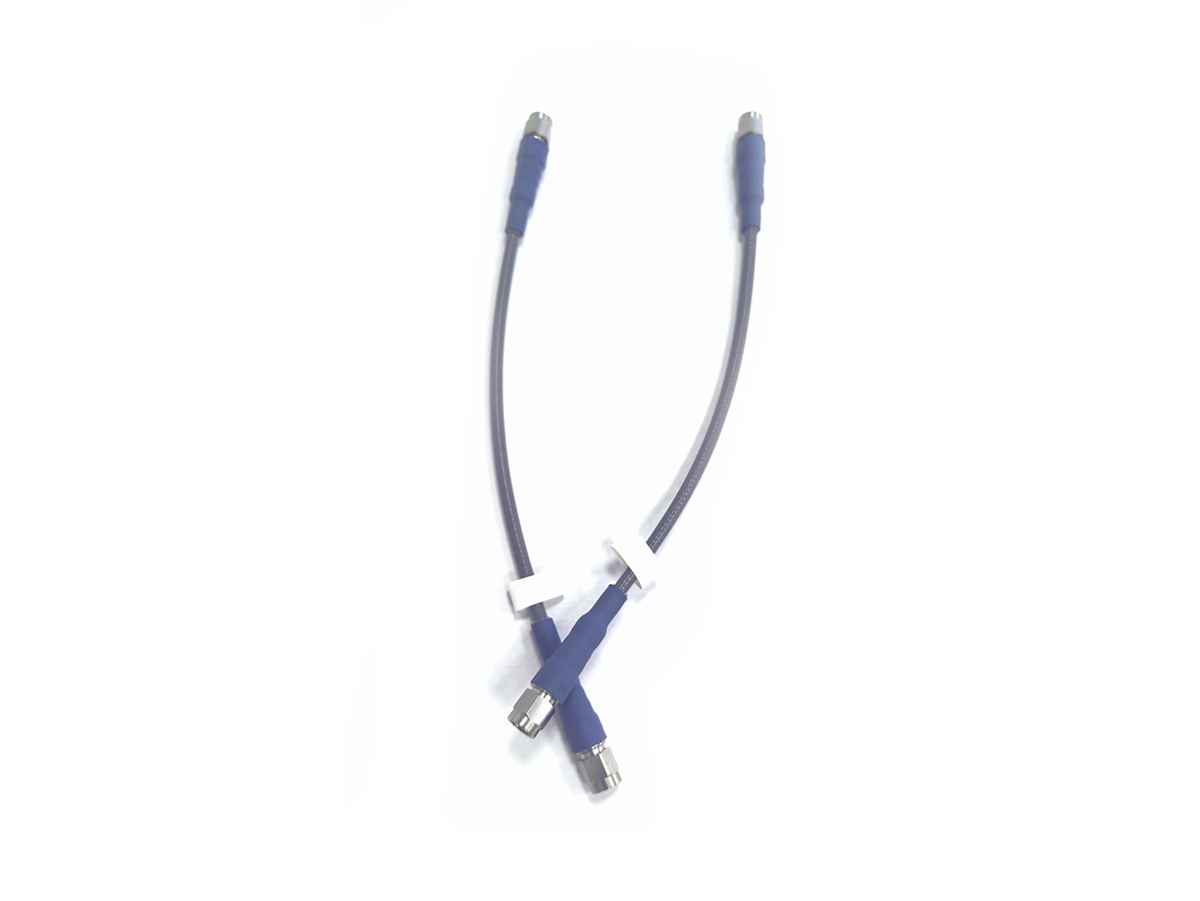
In today's fast-paced aviation sector, the demand for efficient data transmission is soaring. Enter the Lvds High-Speed Data Cable for Aviation—a critical component that keeps communication seamless and reliable. But before diving into the benefits, let's take a closer look at what this technology entails.
What is Lvds?
Low-voltage differential signaling (Lvds) is a technique used to transmit data at high speeds while minimizing electromagnetic interference. Its design is perfect for aviation, where every millisecond counts and reliability is non-negotiable. Think of it as the unsung hero of aviation technology.
Key Considerations When Choosing Lvds Cables
Alright, let's get to the nitty-gritty! Here are some essential considerations to keep in mind:
1. Cable Length and Flexibility
Length does matter! Ensure that the cable length suits your installation needs without compromising performance. Moreover, flexibility is crucial—especially in aircraft where space is tight. A rigid cable can lead to wear and tear over time, so opt for flexible designs.
2. Environmental Resistance
Let's face it: aviation conditions can be harsh. Temperature fluctuations, humidity, and potential exposure to chemicals can all impact cable performance. Therefore, choosing cables that are resistant to these environmental factors can save you from costly repairs down the line.
3. Data Rate Requirements
Different applications in aviation have varying data rate requirements. Whether you're dealing with in-flight entertainment systems or critical navigation data, ensure that your selected Lvds cable can handle the necessary data throughput without breaking a sweat.
Installation Tips
Installing Lvds High-Speed Data Cable for Aviation isn't just plug-and-play. Here are some handy tips to ensure a smooth installation process:
1. Plan Your Routes
Before you even start the installation, map out where the cables will go. Avoid sharp bends and tight spaces that might lead to cable damage. Planning your routes can save you time and hassle later on.
2. Secure Connections
A loose connection is a recipe for disaster. Make sure all connections are secure and check them periodically during maintenance checks. It's a small step that can make a huge difference in reliability.
3. Regular Testing
Just like you wouldn't skip your regular health check-ups, don't overlook testing your cables. Use appropriate testing tools to ensure that the Lvds cables are functioning as expected. Early detection of issues can save you a world of trouble.
Final Thoughts
In summary, the Lvds High-Speed Data Cable for Aviation is an indispensable part of modern aircraft systems. With careful consideration of factors like length, environmental resistance, and installation practices, you can ensure optimal performance and reliability. So, buckle up and get ready to soar to new heights with your data transmission!


Do you have Questions?
Not sure what you're looking for? Unable to find what you need?