

Stay Sharp: Key Considerations for Aerospace Data and RF Components
Release Date:2026-05-16


Introduction
When it comes to aerospace technology, the devil is in the details. Whether we're discussing aviation data cables, RF coaxial lines, or stable phase components, understanding the nuances can make a world of difference. Buckle up as we dive into the vital considerations that every technician and engineer should keep in mind!
Understanding Aviation Data Cables
Aerospace data cables are the lifelines of communication within aircraft systems. They transmit crucial information between various components, ensuring everything from navigation to engine performance runs smoothly. However, not all data cables are created equal. Choosing the right type for your specific application is paramount.
Key Considerations for Data Cables
- Compatibility: Make sure the data cable specifications match your system's requirements.
- Durability: Look for cables that can withstand extreme temperatures and mechanical stress.
- Shielding: Proper shielding is essential to prevent interference from external sources.
Diving into RF Coaxial Lines
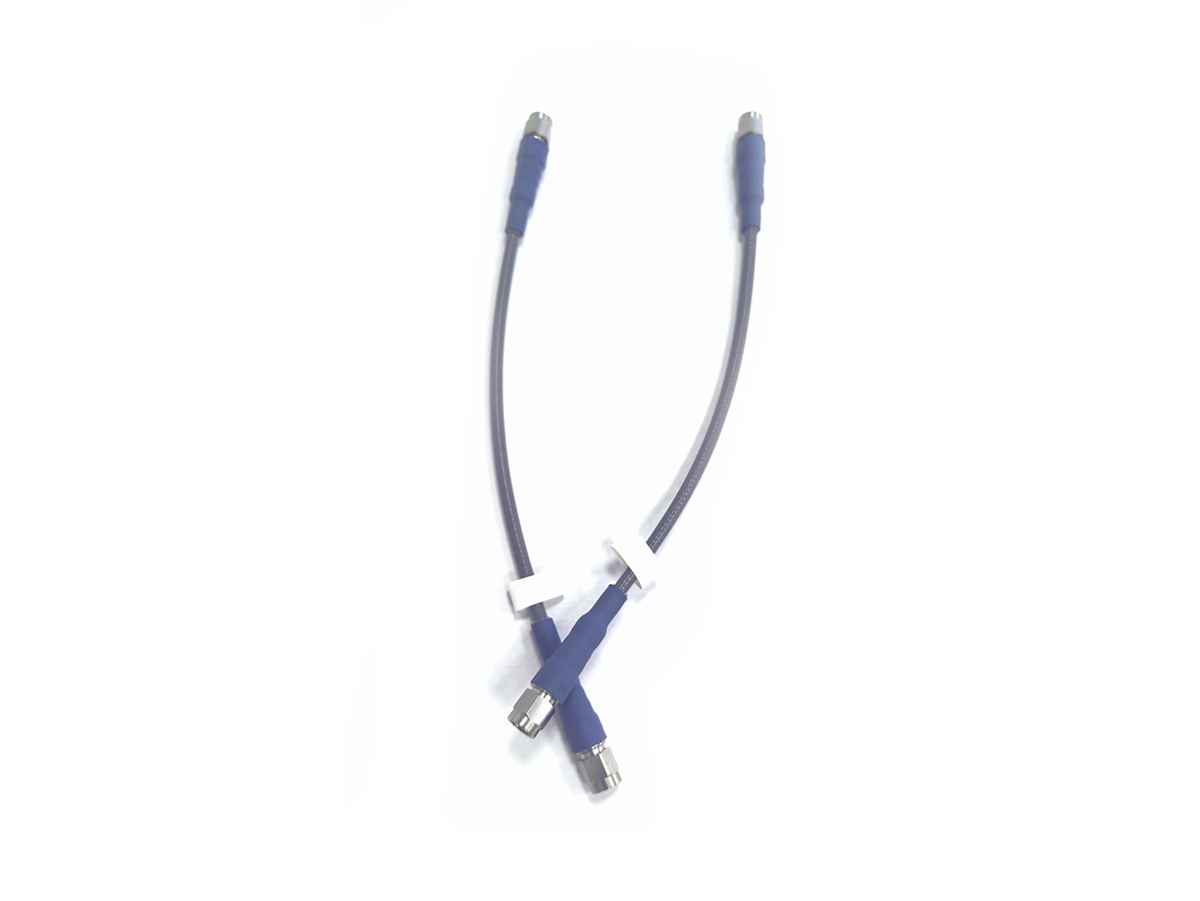
Next on our journey is the RF coaxial line. These lines are crucial for transmitting high-frequency signals with minimal loss. They play a significant role in radar and communication systems. Understanding how to select and maintain these lines can save you headaches down the line.
What to Keep in Mind
- Impedance Matching: Always ensure that the impedance of the coaxial line matches the equipment to minimize reflection and loss.
- Connector Quality: Use high-quality connectors to maintain signal integrity and reduce potential failure points.
- Length and Routing: Keep the line as short as possible and avoid sharp bends to reduce signal degradation.
Stable Phase Components: The Unsung Heroes
Now, let's shed some light on stable phase components. These components are often overlooked but are vital for ensuring consistent performance in signal transmission. They help maintain the phase relationships between signals, which is crucial for applications like phased array radar.
Best Practices
- Temperature Stability: Choose components that offer stable performance over a wide temperature range.
- Quality Control: Look for manufacturers that adhere to strict quality standards.
- Regular Testing: Implement routine checks to ensure components are functioning optimally.
Conclusion
In the fast-paced world of aerospace technology, attention to detail can't be overstated. From aviation data cables to RF coaxial lines and stable phase components, each element plays a pivotal role in overall performance. By keeping these considerations in mind, you can ensure a smoother operation and enhance the reliability of your systems. So next time you're working with these components, remember: a little knowledge goes a long way!


Do you have Questions?
Not sure what you're looking for? Unable to find what you need?