

A Comprehensive Guide to RG316 Coaxial Cable Assemblies: Unraveling the Essentials
Release Date:2026-06-06


A Comprehensive Guide to RG316 Coaxial Cable Assemblies
Table of Contents
- What is RG316 Coaxial Cable?
- Key Features of RG316 Coaxial Cable
- Construction of RG316 Cable Assemblies
- Applications of RG316 Coaxial Cable Assemblies
- Advantages of Using RG316 Coaxial Cables
- Installation Tips for RG316 Cable Assemblies
- Maintenance and Care of RG316 Coaxial Cables
- Common Issues and Troubleshooting
- Frequently Asked Questions
- Conclusion
What is RG316 Coaxial Cable?
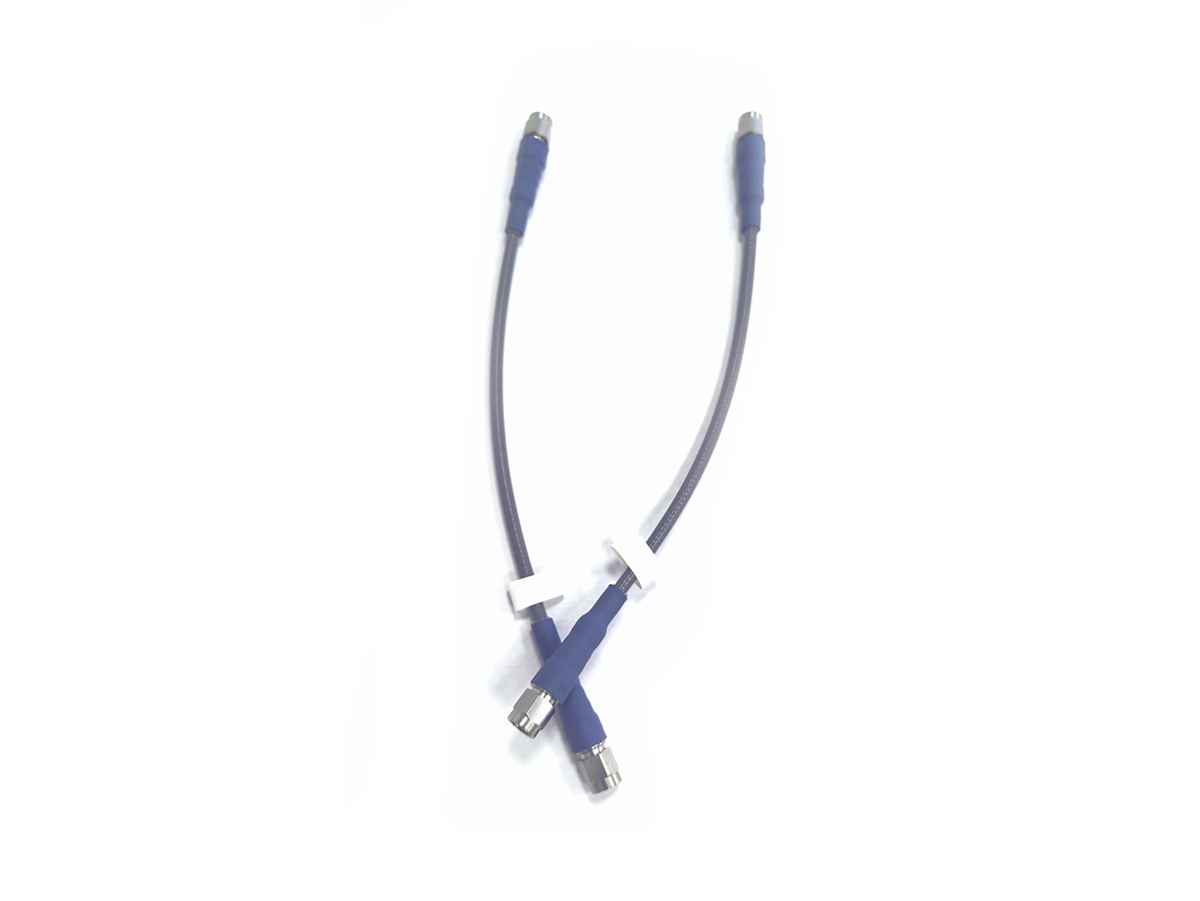
RG316 coaxial cable is a flexible and lightweight coaxial cable specifically designed for high-frequency applications. It features a solid core conductor, typically made of copper, which is surrounded by a dielectric insulator and a braided shield. This construction not only enhances signal integrity but also minimizes electromagnetic interference (EMI), making RG316 an ideal choice for communications, military, and aerospace applications.
Key Features of RG316 Coaxial Cable
Understanding the features of RG316 coaxial cable is essential for professionals in the electrical engineering industry. The primary characteristics include:
1. Frequency Range
RG316 cables are designed to operate effectively within a frequency range of up to 6 GHz. This capability allows them to support various electronic transmissions, ensuring high performance in data transfer.
2. Low Loss
With a low attenuation rate, RG316 cables provide minimal signal loss over distances, ensuring that signals remain strong and clear. This feature is particularly crucial in applications where long runs are necessary.
3. Temperature Resistance
These cables can withstand extreme temperatures ranging from -55°C to +125°C. This resilience makes RG316 suitable for both indoor and outdoor installations, as well as in harsh environments.
4. Flexible Design
The flexibility of RG316 allows for easy routing in tight spaces, making it an excellent choice for applications requiring intricate wiring.
Construction of RG316 Cable Assemblies
The construction of RG316 cable assemblies involves several key components, each contributing to the overall performance and reliability of the assembly.
1. Conductor
The central conductor is typically constructed from solid copper, providing superior conductivity for signal transmission.
2. Dielectric Insulation
Surrounding the conductor is a layer of dielectric material, often made from Teflon (PTFE). This insulator maintains the spacing between the conductor and the shield, optimizing performance.
3. Shielding
A woven copper shield surrounds the dielectric layer, which prevents external interference from affecting the signal quality. This shielding also adds durability to the cable assembly.
4. Outer Jacket
The final layer is the outer jacket, usually made from PVC or other flexible compounds. This layer protects the internal components from physical damage and environmental factors.
Applications of RG316 Coaxial Cable Assemblies
RG316 coaxial cable assemblies are versatile and find applications across various sectors, including:
1. Telecommunications
In telecommunications, RG316 cables are used for connecting antennas, transceivers, and other communication devices.
2. Aerospace
Due to their lightweight and flexible nature, RG316 cables are often utilized in aircraft systems for high-frequency signal transmission.
3. Military
Military applications require reliable communication systems, making RG316 an ideal choice for secure and durable connections.
4. Medical Equipment
In the medical field, RG316 cables are employed in imaging and diagnostic equipment that require high-frequency signals.
Advantages of Using RG316 Coaxial Cables
The advantages of RG316 coaxial cables make them a preferred choice for various applications:
1. High Signal Integrity
With low loss and high-frequency capabilities, RG316 cables maintain excellent signal integrity, which is essential for reliable communication.
2. Durability
The robust construction of RG316 ensures that these cables can withstand harsh environments, including exposure to chemicals and extreme temperatures.
3. Easy Installation
The flexibility of RG316 cables allows for easy routing in tight spaces, simplifying installation processes.
4. Cost-Effectiveness
While providing high performance, RG316 coaxial cables are competitively priced, making them an economical choice for businesses and industries.
Installation Tips for RG316 Cable Assemblies
Proper installation of RG316 coaxial cable assemblies is crucial for optimal performance. Here are some tips to ensure a successful installation:
1. Plan the Route
Before installation, plan the cable route to minimize bends and avoid sharp angles that could damage the cable.
2. Use Proper Connectors
Choosing the right connectors compatible with RG316 cables ensures reliable connections and prevents signal loss.
3. Avoid Over-tightening
During installation, avoid over-tightening connectors, as this can damage the cable and compromise its performance.
4. Test the Installation
After installation, conduct tests to ensure that the cable assembly functions as intended and meets signal quality standards.
Maintenance and Care of RG316 Coaxial Cables
To ensure the longevity and performance of RG316 coaxial cables, regular maintenance is essential. Follow these guidelines:
1. Inspect Regularly
Regularly inspect the cables for signs of wear, damage, or interference. Early detection can prevent issues down the line.
2. Clean Connections
Keep connectors clean to prevent corrosion and maintain signal integrity. Use appropriate cleaning solutions and tools.
3. Protect from Environmental Damage
If installed outdoors, ensure cables are protected from UV rays, moisture, and extreme temperatures.
4. Store Properly
If cables are not in use, store them in a dry, cool environment to prevent damage.
Common Issues and Troubleshooting
Despite their reliability, RG316 coaxial cables may encounter issues. Here are some common problems and troubleshooting tips:
1. Signal Loss
If experiencing signal loss, check for damaged connectors or cable bends. Replacing damaged components may resolve the issue.
2. Interference
Interference may occur due to external sources. Ensure proper shielding and grounding to mitigate this problem.
3. Connector Problems
If connections appear loose or corroded, reterminate or replace the connectors to restore optimal performance.
4. Physical Damage
Inspect for physical damage to the cable. If found, consider replacing the cable assembly to maintain performance.
Frequently Asked Questions
1. What is the maximum length for RG316 coaxial cables?
While RG316 can be used in lengths up to 100 feet, performance may degrade over longer distances due to signal loss.
2. Can RG316 coaxial cables be used outdoors?
Yes, RG316 cables can be used outdoors, but it is essential to protect them from UV exposure and extreme weather conditions.
3. Are RG316 cables compatible with other types of coaxial cables?
RG316 cables have specific connector types, so ensure compatibility with other coaxial cables before installation.
4. What is the difference between RG316 and RG58?
RG316 has lower attenuation and higher frequency capabilities than RG58, making it suitable for applications requiring better performance.
5. How can I tell if my RG316 cable is functioning correctly?
Perform signal testing with appropriate equipment to assess the performance and integrity of the RG316 cable.
Conclusion
In summary, RG316 coaxial cable assemblies hold significant importance in various industries thanks to their high performance, durability, and versatility. By understanding their construction, features, applications, and maintenance, professionals can make informed decisions regarding their use. Whether in telecommunications, aerospace, or military applications, RG316 cables are indispensable for ensuring reliable signal transmission. Adopting best practices for installation and maintenance will maximize their lifespan and performance, making RG316 a valuable asset in any electrical engineering project.


Do you have Questions?
Not sure what you're looking for? Unable to find what you need?