

Understanding 100Ω Differential Pair Cables: Key Insights for Electrical and Communication Applications
Release Date:2026-06-19


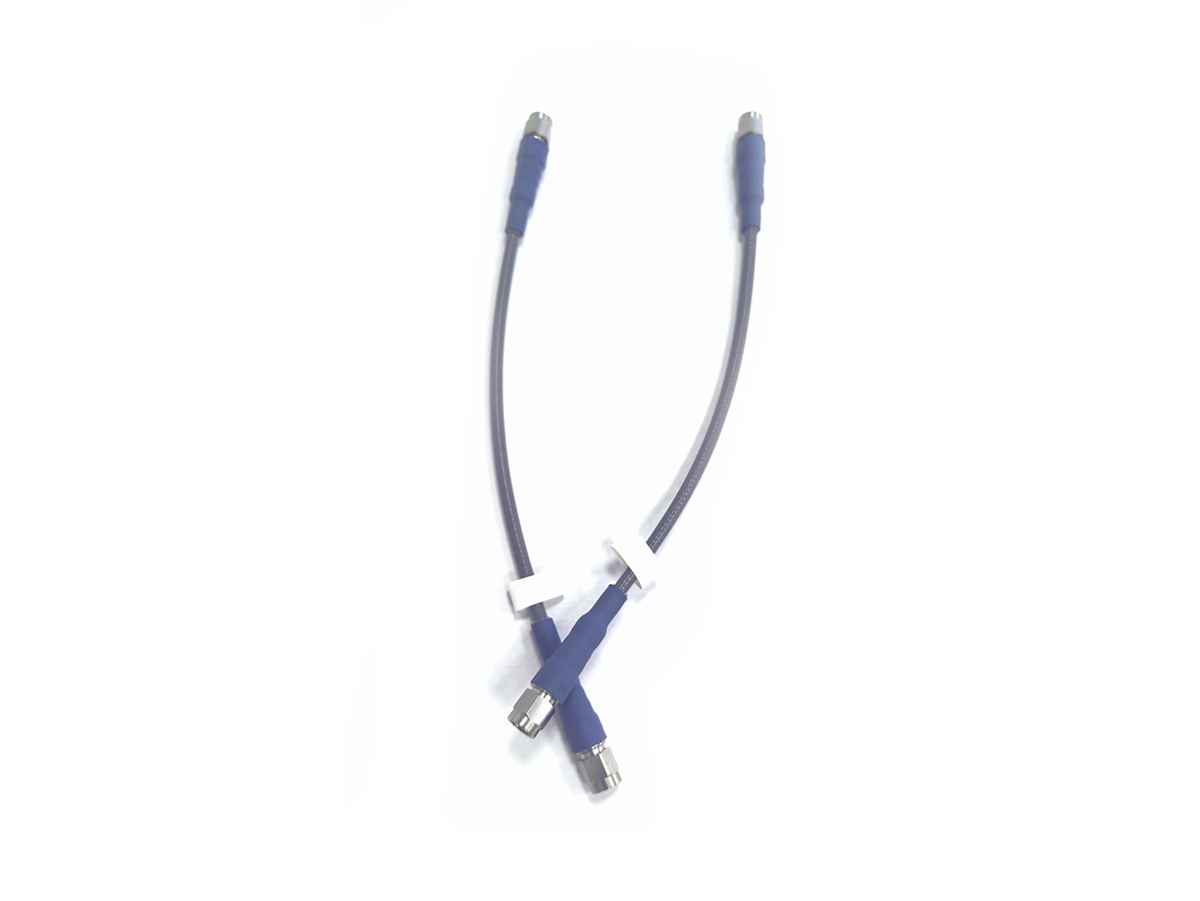
100Ω differential pair cables are increasingly essential in today's electrical and communication industries. These cables are designed to carry signals with minimal interference and are crucial for maintaining high data integrity in various applications. Understanding the characteristics and advantages of these cables can help professionals make informed decisions regarding their use in communication systems.
The primary feature of 100Ω differential pair cables is their impedance. The 100Ω impedance is standard for many networking and telecommunication applications, ensuring signal integrity and reduced signal loss over distances. This is particularly important in high-speed data transmission scenarios, where maintaining signal fidelity is paramount.
Differential signaling is another key aspect of these cables. In this method, two complementary signals are transmitted over a pair of wires. This approach helps to cancel out electromagnetic interference (EMI) and common-mode noise, which can significantly degrade signal quality. As a result, 100Ω differential pair cables are commonly used in applications like Ethernet networking, USB interfaces, and HDMI connections.
When selecting 100Ω differential pair cables, it is essential to consider several factors. Firstly, the cable's construction plays a vital role in its performance. Cables are typically composed of twisted pairs, which help to minimize crosstalk and external interference. The quality of the insulation and shielding is also critical; high-quality materials can enhance durability and protect against environmental factors.
Installation techniques are equally important. Proper termination methods can significantly influence the performance of 100Ω differential pair cables. It is recommended to use connectors specifically designed for differential pairs to maintain signal integrity. Additionally, adhering to recommended bending radii and avoiding excessive tension during installation can prevent damage and preserve cable functionality.
In summary, 100Ω differential pair cables are indispensable in modern communication and electrical applications. Their design allows for the transmission of high-frequency signals with minimal interference, making them ideal for various networking environments. By understanding their construction and application, professionals can leverage these cables to enhance their systems' performance and reliability. As technology continues to evolve, staying informed about the best practices for using these cables will be crucial for anyone working in the electrical and communications sectors.
The primary feature of 100Ω differential pair cables is their impedance. The 100Ω impedance is standard for many networking and telecommunication applications, ensuring signal integrity and reduced signal loss over distances. This is particularly important in high-speed data transmission scenarios, where maintaining signal fidelity is paramount.
Differential signaling is another key aspect of these cables. In this method, two complementary signals are transmitted over a pair of wires. This approach helps to cancel out electromagnetic interference (EMI) and common-mode noise, which can significantly degrade signal quality. As a result, 100Ω differential pair cables are commonly used in applications like Ethernet networking, USB interfaces, and HDMI connections.
When selecting 100Ω differential pair cables, it is essential to consider several factors. Firstly, the cable's construction plays a vital role in its performance. Cables are typically composed of twisted pairs, which help to minimize crosstalk and external interference. The quality of the insulation and shielding is also critical; high-quality materials can enhance durability and protect against environmental factors.
Installation techniques are equally important. Proper termination methods can significantly influence the performance of 100Ω differential pair cables. It is recommended to use connectors specifically designed for differential pairs to maintain signal integrity. Additionally, adhering to recommended bending radii and avoiding excessive tension during installation can prevent damage and preserve cable functionality.
In summary, 100Ω differential pair cables are indispensable in modern communication and electrical applications. Their design allows for the transmission of high-frequency signals with minimal interference, making them ideal for various networking environments. By understanding their construction and application, professionals can leverage these cables to enhance their systems' performance and reliability. As technology continues to evolve, staying informed about the best practices for using these cables will be crucial for anyone working in the electrical and communications sectors.


Do you have Questions?
Not sure what you're looking for? Unable to find what you need?