

How to Install RG316 Coaxial Cable Assemblies: Step-by-Step Guide
Release Date:2026-06-25


How to Install RG316 Coaxial Cable Assemblies: Step-by-Step Guide
Table of Contents
- 1. Introduction to RG316 Coaxial Cable Assemblies
- 2. Tools Required for Installation
- 3. Safety Precautions to Consider
- 4. Understanding RG316 Coaxial Cable
- 5. Step-by-Step Installation Process
- 5.1 Preparation of the RG316 Cable
- 5.2 Cutting and Stripping the Cable
- 5.3 Attaching Connectors
- 5.4 Testing the Coaxial Assembly
- 6. Common Issues During Installation
- 7. Maintenance Tips for RG316 Assemblies
- 8. Conclusion
- 9. FAQs about RG316 Coaxial Cable Assemblies
1. Introduction to RG316 Coaxial Cable Assemblies
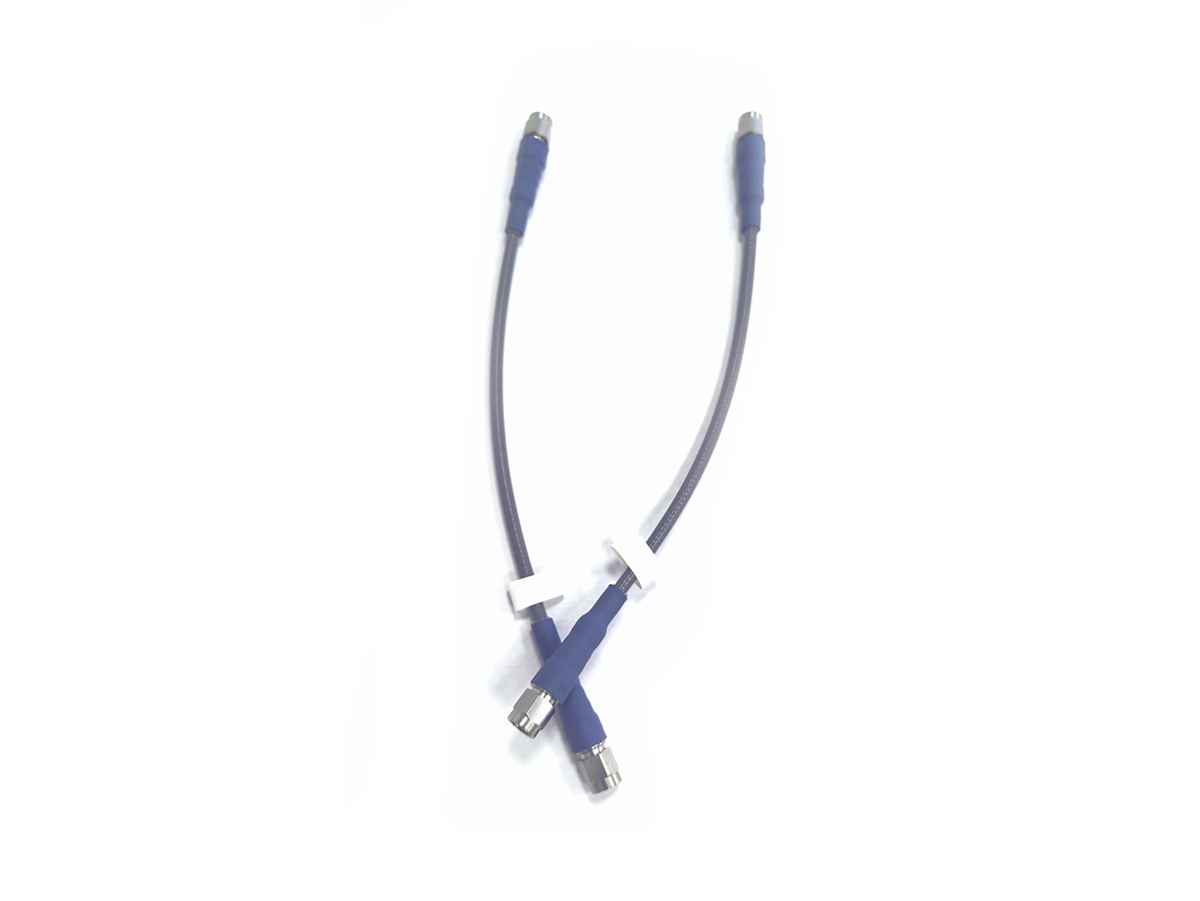
In the world of electrical engineering and telecommunications, **RG316 coaxial cable assemblies** stand out due to their versatility and efficiency. These assemblies are highly effective in transmitting high-frequency signals with minimal loss. Understanding how to properly install RG316 cable assemblies can significantly enhance your project’s performance, ensuring reliability in signal transmission for various applications, from antennas to surveillance systems.
2. Tools Required for Installation
Before diving into the installation, it's essential to gather the right tools. The following list includes everything you need to successfully install RG316 coaxial cable assemblies:
- **Wire Strippers**: For accurately stripping the insulation from the cable.
- **Cable Cutters**: For cutting the cable to desired lengths.
- **Soldering Iron**: If soldering connections, a quality soldering iron is crucial.
- **Heat Shrink Tubing**: To protect and insulate connections.
- **Connectors**: Ensure you have the correct connectors compatible with RG316 cable.
- **Multimeter**: For testing the continuity of your assembly.
3. Safety Precautions to Consider
Safety should always be a priority during installation. Here are some vital precautions to take:
- **Wear Safety Goggles**: Protect your eyes from any potential flying debris when cutting or stripping the cable.
- **Use Heat-Resistant Gloves**: If soldering, gloves prevent burns from hot equipment.
- **Work in a Well-Ventilated Area**: Soldering can produce fumes that are harmful if inhaled excessively.
- **Check Electrical Connections**: Ensure all connections are secure to prevent shorts or signal loss.
4. Understanding RG316 Coaxial Cable
RG316 coaxial cable is renowned for its flexibility and ability to handle high-frequency signals. Key characteristics include:
- **Impedance**: Typically 50 ohms, ideal for RF applications.
- **Dielectric Material**: The Teflon insulation within RG316 provides excellent thermal stability.
- **Temperature Range**: Operates efficiently between -55°C to +200°C, making it suitable for various environments.
Understanding these properties helps in selecting the right coaxial assembly for specific applications.
5. Step-by-Step Installation Process
Installing RG316 coaxial cable assemblies involves several precise steps to ensure optimal performance.
5.1 Preparation of the RG316 Cable
Start by determining the length of cable needed for your project. Once measured, cut the cable using your cable cutters.
Ensure the cut is clean to prevent fraying. Next, strip approximately half an inch of the outer insulation from both ends to expose the inner conductor and shield.
5.2 Cutting and Stripping the Cable
Use the wire strippers to remove the insulation carefully. Strip the inner insulation to expose the center conductor, taking care not to damage it. The process is as follows:
1. **Outer Jacket**: Strip off 0.5 inches of the outer jacket.
2. **Foil Shield**: Fold back the foil shield without cutting it, exposing the dielectric.
3. **Inner Conductor**: Strip an additional 0.25 inches from the inner conductor.
These steps ensure a clean and effective connection.
5.3 Attaching Connectors
Securely attach connectors to the stripped ends of the RG316 cable. There are two common methods: crimping and soldering.
- **Crimping**: Slide the connector onto the cable, ensuring the inner conductor passes through. Use the crimping tool to secure the connector.
- **Soldering**: For a more permanent solution, heat the soldering iron and apply solder to the connection points, ensuring a strong bond.
After attaching the connectors, slide heat shrink tubing over the exposed areas and apply heat to secure the connection.
5.4 Testing the Coaxial Assembly
Once the assembly is complete, testing is crucial. Use a multimeter to check for continuity and ensure that there are no shorts.
Connect the assembly to your intended device and monitor the signal quality. If issues arise, double-check the connections and repeat the testing process.
6. Common Issues During Installation
Several challenges may arise during the installation of RG316 coaxial cable assemblies. Familiarizing yourself with these common issues can help in quick troubleshooting:
- **Signal Loss**: Often due to poor connections or damaged cable. Ensure connectors are secure and undamaged.
- **Interference**: Caused by nearby electrical devices; using proper shielding techniques can mitigate this.
- **Incorrect Length**: Measuring errors can lead to insufficient cable length. Always re-check measurements before cutting.
7. Maintenance Tips for RG316 Assemblies
Maintaining your RG316 coaxial cable assemblies ensures longevity and optimal performance. Consider these tips:
- **Regular Inspection**: Check for signs of wear, such as fraying or cuts in the cable.
- **Proper Storage**: Store cables in a cool, dry place, away from direct sunlight and excessive heat.
- **Avoid Excessive Bending**: Minimize sharp bends to reduce stress on the cable, which can impact signal quality.
8. Conclusion
Installing RG316 coaxial cable assemblies may seem daunting at first, but with the right tools and knowledge, it becomes a manageable task. By following our detailed step-by-step guide, you can ensure a successful installation that maximizes performance and reliability.
Remember to adhere to safety precautions and maintenance tips to prolong the life of your installations. With practice, you’ll become proficient in installing coaxial cables, enhancing your technical skill set for various electronic projects.
9. FAQs about RG316 Coaxial Cable Assemblies
1. What is the maximum frequency RG316 can handle?
RG316 coaxial cables can efficiently handle frequencies up to 6 GHz, making them ideal for RF applications.
2. Can RG316 be used outdoors?
While RG316 is not specifically designed for outdoor use, it can withstand various environments. However, for outdoor applications, consider using cables with UV-resistant jackets.
3. How do I know if my RG316 cable is damaged?
Signs of damage include visible fraying, bent connectors, or a noticeable drop in signal quality. Regular inspection is key to identifying such issues.
4. What connectors are compatible with RG316?
Common connectors for RG316 include SMA, SMB, and SMC connectors. Ensure compatibility with your devices before purchasing.
5. Is it necessary to solder RG316 connectors?
Soldering is not strictly necessary; crimping can provide a strong connection. However, soldering may offer a more reliable and permanent solution in many cases.
With these comprehensive insights and guidance, we aim to equip you with the skills needed for effective RG316 coaxial cable assembly installations.


Do you have Questions?
Not sure what you're looking for? Unable to find what you need?