

Understanding Low Skew Differential Signal Cables: A Key Component in Modern Electrical Applications
Release Date:2026-07-01


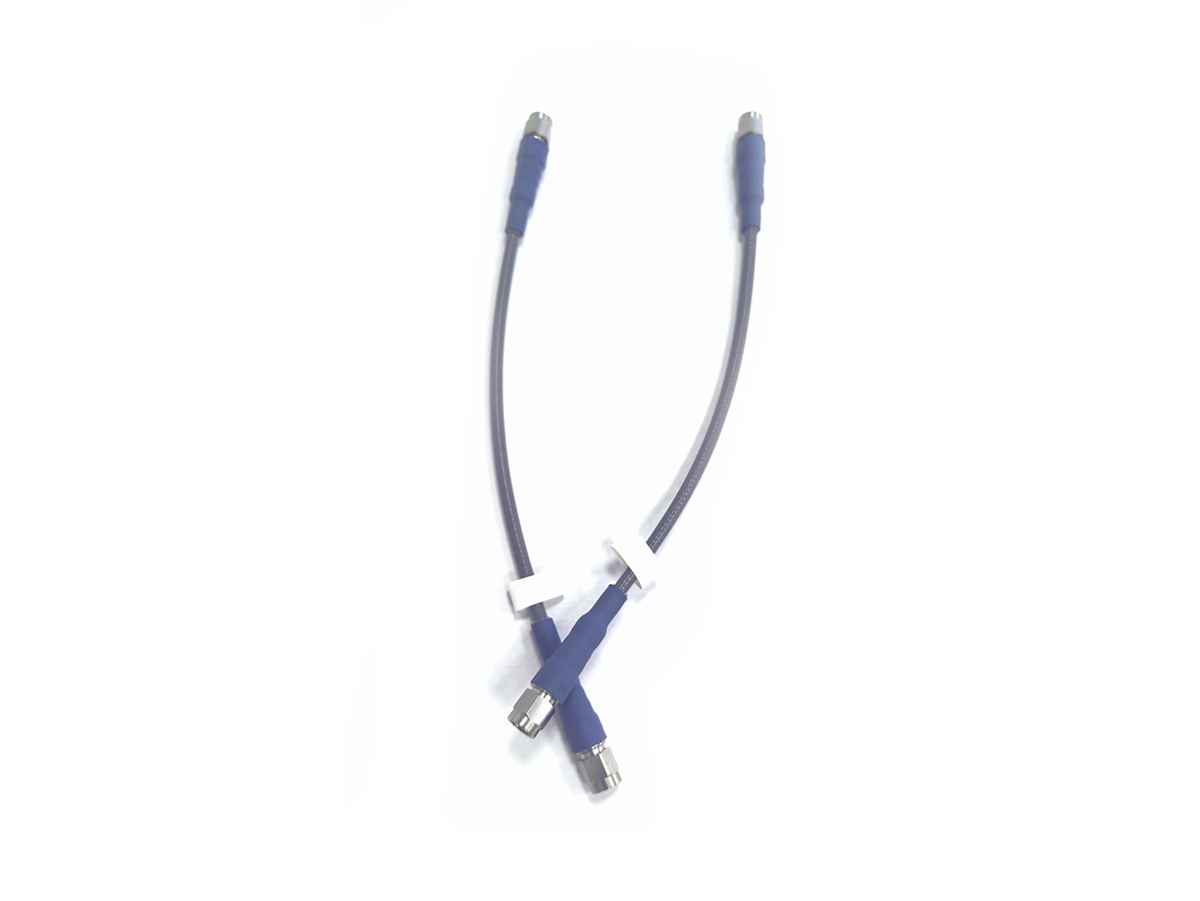
Low skew differential signal cables are essential components in the realm of electrical engineering, particularly for applications requiring high-speed data transmission. These cables are designed to minimize skew, which refers to the time difference between two differential signals traveling through the cable. Achieving low skew is critical for maintaining signal integrity, especially in high-frequency applications such as telecommunications, data centers, and high-performance computing.
The construction of low skew differential signal cables typically involves pairing two conductors that are closely matched in terms of their electrical properties. This pairing helps ensure that the signals travel alongside each other with minimal variations in their timing. By doing so, these cables significantly reduce the risk of signal degradation and distortion, which can lead to errors in data interpretation and transmission. The materials used in these cables, such as high-quality insulation and shielding, further enhance their performance by protecting against external electromagnetic interference (EMI) and crosstalk.
One of the primary advantages of low skew differential signal cables is their ability to support high-speed data rates. In an era where data transfer speeds continue to increase, it is vital for electrical engineers to utilize cables that can handle such demands without compromising performance. These cables are particularly beneficial in applications like HDMI connections, USB interface cables, and high-speed Ethernet, where maintaining signal timing is crucial for optimal performance.
Moreover, low skew differential signal cables are also designed with flexibility in mind. This adaptability allows them to be used in various environments and installations, from industrial setups to consumer electronics. Their robust construction ensures longevity and reliability, making them a preferred choice among professionals in the electrical and electronic industries.
In conclusion, understanding low skew differential signal cables is fundamental for anyone working in the electrical engineering field. Their ability to minimize signal skew and maintain integrity makes them indispensable in high-performance applications. When selecting cables for your projects, consider the importance of low skew differential signal cables to ensure that your systems operate efficiently and effectively. By leveraging these advanced cables, you can enhance the reliability of your electrical installations and meet the demanding requirements of modern technology.
The construction of low skew differential signal cables typically involves pairing two conductors that are closely matched in terms of their electrical properties. This pairing helps ensure that the signals travel alongside each other with minimal variations in their timing. By doing so, these cables significantly reduce the risk of signal degradation and distortion, which can lead to errors in data interpretation and transmission. The materials used in these cables, such as high-quality insulation and shielding, further enhance their performance by protecting against external electromagnetic interference (EMI) and crosstalk.
One of the primary advantages of low skew differential signal cables is their ability to support high-speed data rates. In an era where data transfer speeds continue to increase, it is vital for electrical engineers to utilize cables that can handle such demands without compromising performance. These cables are particularly beneficial in applications like HDMI connections, USB interface cables, and high-speed Ethernet, where maintaining signal timing is crucial for optimal performance.
Moreover, low skew differential signal cables are also designed with flexibility in mind. This adaptability allows them to be used in various environments and installations, from industrial setups to consumer electronics. Their robust construction ensures longevity and reliability, making them a preferred choice among professionals in the electrical and electronic industries.
In conclusion, understanding low skew differential signal cables is fundamental for anyone working in the electrical engineering field. Their ability to minimize signal skew and maintain integrity makes them indispensable in high-performance applications. When selecting cables for your projects, consider the importance of low skew differential signal cables to ensure that your systems operate efficiently and effectively. By leveraging these advanced cables, you can enhance the reliability of your electrical installations and meet the demanding requirements of modern technology.


Do you have Questions?
Not sure what you're looking for? Unable to find what you need?