

RG316 Coaxial Cable Assembly vs. Other Cable Types: A Comprehensive Guide to Understanding Your Options
Release Date:2026-07-11


RG316 Coaxial Cable Assembly vs. Other Cable Types: What You Need to Know
Table of Contents
- 1. Introduction to Coaxial Cables
- 2. Overview of RG316 Coaxial Cable Assembly
- 3. Comparison with Other Cable Types
- 3.1 RG58 Coaxial Cable
- 3.2 RG174 Coaxial Cable
- 3.3 Unshielded Twisted Pair (UTP) Cable
- 3.4 Fiber Optic Cable
- 4. Applications of RG316 and Other Cable Types
- 5. Performance Comparison: RG316 vs. Other Cables
- 6. Benefits of Using RG316 Coaxial Cable Assembly
- 7. Limitations of RG316 Coaxial Cable Assembly
- 8. Frequently Asked Questions
- 9. Conclusion
1. Introduction to Coaxial Cables
Coaxial cables are integral to the world of telecommunications and electrical systems. Their unique design, featuring an inner conductor, insulating layer, and outer conductor, makes them ideal for transmitting high-frequency signals. **Understanding the differences among various types of coaxial cables** is essential for selecting the right cable for specific applications. In this article, we will delve into the specifics of RG316 coaxial cable assembly and compare it to other prevalent cable types.
2. Overview of RG316 Coaxial Cable Assembly
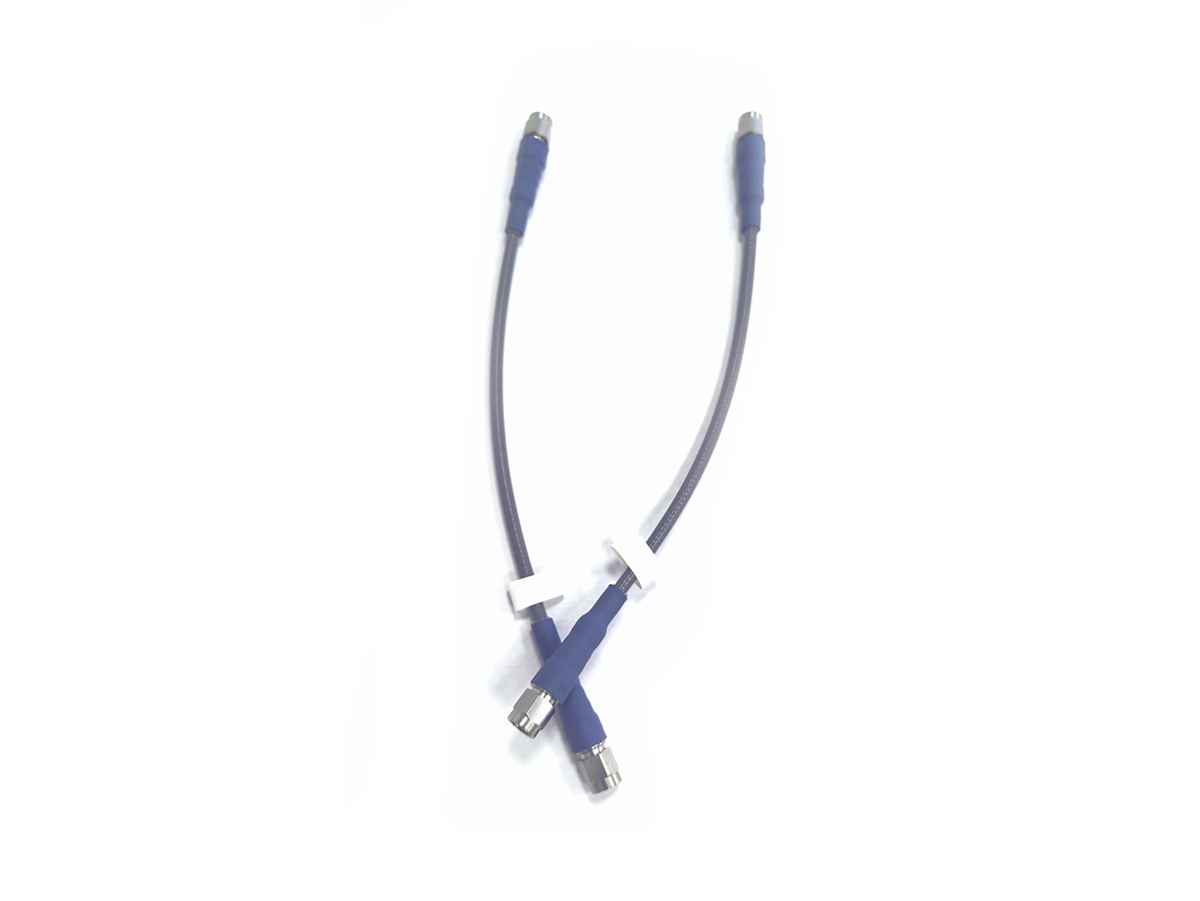
The **RG316 coaxial cable assembly** is a high-performance cable designed for use in environments where durability and performance are critical. It features a solid copper conductor, a dielectric insulation layer, and a shielding layer made from tinned copper or similar materials.
Key Specifications of RG316
- **Impedance:** 50 Ohms
- **Frequency Range:** Up to 6 GHz
- **Capacitance:** 30 pF/meter
- **Operating Temperature:** -55°C to +125°C
These specifications make RG316 suitable for applications in telecommunications, radar systems, and other high-frequency environments.
3. Comparison with Other Cable Types
To understand where RG316 stands, we will compare it with several other cable types commonly used in similar applications.
3.1 RG58 Coaxial Cable
RG58 is another popular choice in the coaxial cable family. It has a slightly larger diameter compared to RG316 and is often used in radio frequency applications.
Comparison of RG316 and RG58
- **Impedance:** Both cables have an impedance of 50 Ohms.
- **Attenuation:** RG316 offers lower attenuation at higher frequencies compared to RG58, making it a better choice for high-frequency applications.
- **Flexibility:** RG316 is more flexible than RG58, allowing for easier installation in tight spaces.
3.2 RG174 Coaxial Cable
RG174 is a thin, lightweight cable often utilized in applications where space is limited, such as in mobile devices.
Comparison of RG316 and RG174
- **Size and Weight:** RG174 is lighter and thinner than RG316, making it suitable for compact designs.
- **Performance:** RG316 performs better in terms of signal integrity and attenuation, especially in high-frequency applications.
3.3 Unshielded Twisted Pair (UTP) Cable
UTP cable is a different category altogether. While not coaxial, it's essential to understand its role in the telecommunications landscape.
Comparison with UTP Cable
- **Impedance:** UTP typically has an impedance of 100 Ohms.
- **Shielding:** UTP offers minimal shielding compared to RG316, making RG316 better for environments with high electromagnetic interference.
3.4 Fiber Optic Cable
Fiber optic cables use light to transmit data, providing significant advantages over traditional copper cables.
Comparison with Fiber Optic Cables
- **Distance and Speed:** Fiber optic cables can transmit data over longer distances with higher speeds than RG316.
- **Installation Cost:** RG316 may be more cost-effective for short-distance applications where fiber optics are not feasible.
4. Applications of RG316 and Other Cable Types
Understanding the applications of RG316 and other cables will help identify the best choice for specific needs.
Common Applications of RG316
- **Aerospace and Defense:** RG316 is widely used in military applications due to its reliability.
- **Telecommunications:** It is commonly used in cellular networks and Wi-Fi installations.
- **Medical Equipment:** Its excellent performance in high-frequency environments makes it suitable for medical devices that rely on precision signal transmission.
Applications of Other Cable Types
- **RG58:** Often used in amateur radio and networking.
- **RG174:** Commonly found in GPS systems and mobile devices.
- **UTP:** Widely used in local area networks (LAN).
- **Fiber Optic:** Ideal for long-distance communication, such as internet backbone installations.
5. Performance Comparison: RG316 vs. Other Cables
When choosing a cable, performance is a critical factor. Here, we will compare the performance aspects of RG316 against its counterparts.
Signal Integrity
RG316 leads in maintaining signal integrity over long distances, particularly at higher frequencies.
Attenuation Rates
The attenuation rates for RG316 are lower than RG58 and RG174, making it preferred for applications requiring minimal signal loss.
Temperature and Environmental Resistance
RG316 excels in extreme temperatures, making it durable for outdoor and aerospace applications.
6. Benefits of Using RG316 Coaxial Cable Assembly
The advantages of RG316 make it a top choice for specific applications.
Durability
The construction of RG316 ensures it can withstand harsh environmental conditions without compromising performance.
Flexibility
Its flexibility allows for seamless installation in various configurations, especially in tight spaces.
High-Frequency Performance
With its ability to handle high-frequency signals efficiently, RG316 is a preferred choice for many telecommunications applications.
7. Limitations of RG316 Coaxial Cable Assembly
While RG316 is a robust option, it is essential to consider its limitations.
Cost
RG316 can be more expensive than other cable types, which may deter budget-conscious projects.
Weight
Although it is more flexible, RG316 can be heavier than alternatives like RG174, making it less suitable for ultra-lightweight applications.
8. Frequently Asked Questions
1. What is the primary use of RG316 cables?
RG316 cables are primarily used in telecommunications and military applications due to their high-frequency performance and durability.
2. How does RG316 compare to RG58 in terms of performance?
RG316 generally offers better performance at higher frequencies and lower attenuation than RG58.
3. Can RG316 be used for outdoor installations?
Yes, RG316 is suitable for outdoor installations, particularly in harsh environments, due to its durable construction.
4. Is RG316 suitable for power transmission?
RG316 is designed primarily for signal transmission rather than power transmission.
5. What factors should I consider when choosing between RG316 and RG174?
Consider the application requirements, such as signal integrity, flexibility, and installation space, as RG316 generally outperforms RG174 in high-frequency scenarios.
9. Conclusion
In conclusion, the **RG316 coaxial cable assembly** offers several advantages, particularly in high-frequency applications requiring reliability and flexibility. While other cable types like RG58, RG174, and UTP serve specific purposes, RG316 stands out for its performance in demanding environments. Understanding the unique characteristics of each cable type allows for informed decision-making tailored to your project needs, ensuring optimal performance and efficiency. When selecting cable assemblies, we encourage you to weigh factors such as application requirements, installation conditions, and budget to make the best choice for your telecommunications and electrical projects.


Do you have Questions?
Not sure what you're looking for? Unable to find what you need?