

The Importance of RG316 Coaxial Cable Assemblies in Data Transmission
Release Date:2026-08-12


The Importance of RG316 Coaxial Cable Assemblies in Data Transmission
Introduction to RG316 Coaxial Cable Assemblies
In today's fast-paced digital world, the demand for reliable data transmission has never been greater. Among the various components that facilitate this process, RG316 coaxial cable assemblies stand out due to their exceptional performance and versatility. This article delves into the significance of RG316 coaxial cables, exploring their design, advantages, and applications across various industries.
Understanding the Basics of RG316 Coaxial Cables
Before diving into the importance of RG316 coaxial cable assemblies, it’s essential to understand what these cables are made of and how they function.
What Makes Up RG316 Coaxial Cables?
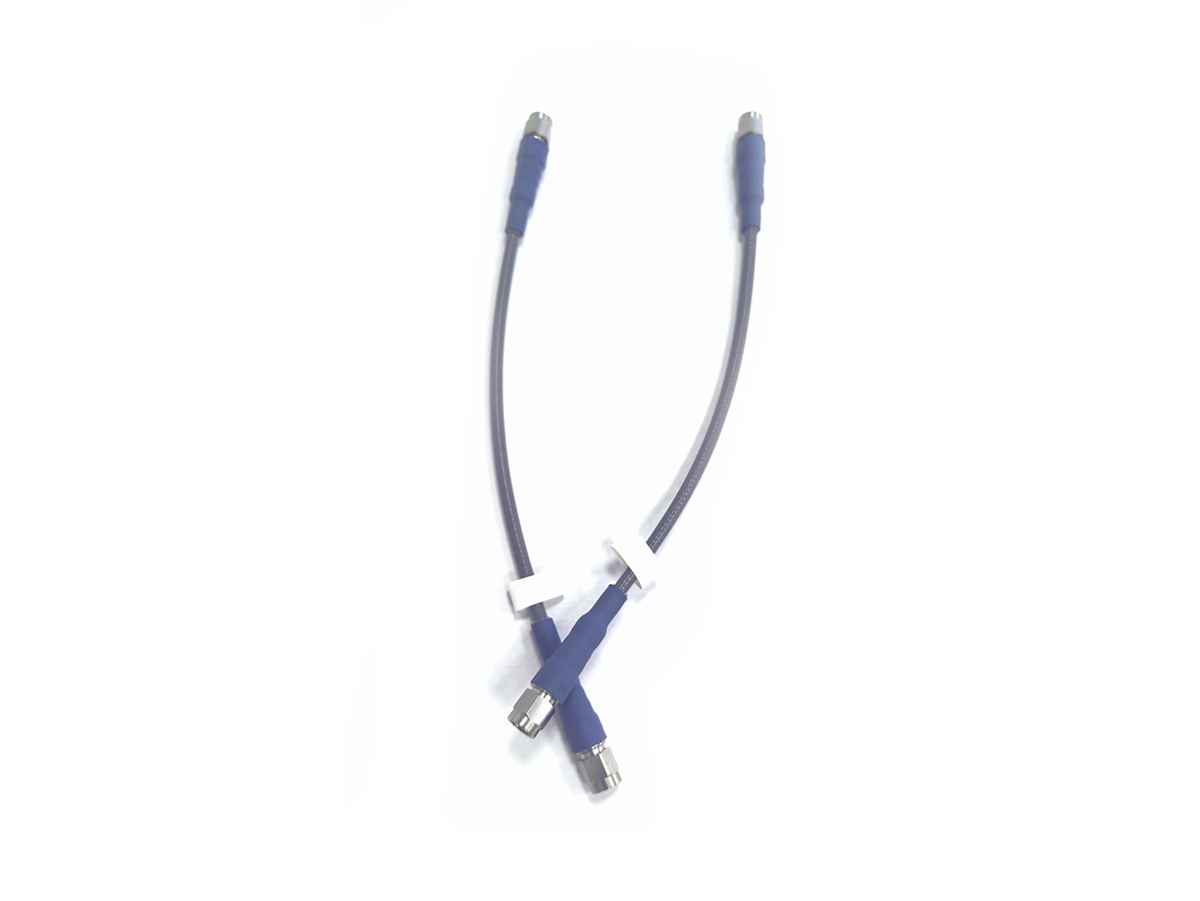
RG316 cables consist of a central conductor, an insulating layer, a braided shield, and an outer jacket. The central conductor, typically made of copper, serves as the primary pathway for electrical signals. The insulation layer prevents signal loss and interference, while the braided shield protects against external electromagnetic interference (EMI). The outer jacket offers durability and protection against environmental factors.
Key Specifications of RG316 Coaxial Cables
RG316 cables have several specifications that make them suitable for various applications, including:
- **Impedance**: 50 Ohms, ideal for RF applications.
- **Frequency Range**: Capable of handling frequencies up to 6 GHz.
- **Temperature Range**: Effective in temperatures ranging from -55°C to +125°C.
- **Attenuation**: Low signal loss over distance, ensuring clear communication.
The Advantages of RG316 Coaxial Cable Assemblies
Several factors contribute to the growing preference for RG316 coaxial cable assemblies in data transmission.
1. High Flexibility and Durability
One of the standout features of RG316 coaxial cables is their flexibility. This quality makes them easy to install in tight spaces or complex assemblies without compromising performance. Additionally, the materials used in RG316 cables provide excellent durability, allowing them to withstand harsh conditions, including extreme temperatures and moisture.
2. Low Signal Loss
Signal loss can severely impact data integrity during transmission. RG316 coaxial cables are designed to minimize attenuation, ensuring that signals remain strong and clear, even over long distances. This characteristic is crucial in applications requiring real-time data transfer, such as broadcasting and telecommunications.
3. Enhanced Electromagnetic Interference (EMI) Shielding
The braided shield in RG316 cables effectively protects against EMI, which can disrupt signal quality. This shielding is particularly beneficial in environments with high electromagnetic activity, ensuring reliable communication and data transmission.
4. Wide Frequency Range
RG316 coaxial cables support a broad frequency range, making them suitable for various applications, including wireless communication, video transmission, and data networking. This versatility enables industries to utilize RG316 cables in multiple scenarios, enhancing their overall utility.
Applications of RG316 Coaxial Cable Assemblies
The versatility of RG316 coaxial cable assemblies makes them indispensable in several industries.
1. Telecommunications
In telecommunications, RG316 cables are often used for antenna connections, RF signal distribution, and in cellular infrastructure. Their low-loss characteristics ensure efficient data transmission, which is vital for maintaining communication quality.
2. Broadcasting
RG316 coaxial cables are extensively used in broadcasting for video and audio signal transmission. Their ability to handle high frequencies and minimize signal loss makes them ideal for transmitting high-definition content.
3. Aerospace and Defense
The aerospace and defense industries require reliable and robust data transmission systems. RG316 cables are employed in various applications, including radar systems, satellite communications, and avionics. Their durability and resistance to environmental factors make them well-suited for these demanding environments.
4. Medical Equipment
In healthcare, RG316 coaxial cables play a crucial role in medical imaging equipment, telemetry systems, and other diagnostic devices. Their low signal loss and EMI shielding enhance the accuracy and reliability of medical data transmission.
5. Industrial Automation
Industrial automation systems rely on RG316 cables for machine-to-machine communication and control systems. The flexibility and durability of RG316 cables allow them to be used in high-stress environments, ensuring uninterrupted operation.
Best Practices for Using RG316 Coaxial Cable Assemblies
To maximize the performance of RG316 coaxial cable assemblies, following best practices during installation and maintenance is essential.
1. Proper Handling and Installation
When installing RG316 cables, it is crucial to avoid sharp bends or kinks, as these can lead to signal degradation. Always follow manufacturer guidelines for bending radius and installation techniques to ensure optimal performance.
2. Regular Inspection and Maintenance
Routine inspections of RG316 cable assemblies can help identify any wear or damage before it affects data transmission. Check for signs of fraying, corrosion, or physical damage, and replace cables as necessary to maintain high performance.
3. Use Quality Connectors
Using high-quality connectors is vital for ensuring a secure and reliable connection. Poor-quality connectors can introduce additional signal loss and interference. Invest in connectors specifically designed for RG316 cables to achieve the best results.
Factors to Consider When Choosing RG316 Coaxial Cable Assemblies
When selecting RG316 coaxial cable assemblies, several factors should guide your decision-making process.
1. Length Requirements
Consider the length of the cable needed for your application. Longer cables can lead to increased signal loss, so choose lengths that meet your requirements while minimizing attenuation.
2. Environmental Conditions
Assess the environmental conditions in which the RG316 cables will be used. If the cables will be exposed to moisture, extreme temperatures, or chemicals, ensure that the selected cables have appropriate shielding and protection.
3. Connector Compatibility
Ensure that the connectors used with RG316 cables are compatible with your specific application. Incompatible connectors can lead to signal loss, increased interference, and potential damage to equipment.
Conclusion
In conclusion, RG316 coaxial cable assemblies are vital components in the realm of data transmission. Their unique characteristics, including low signal loss, flexibility, and EMI shielding, make them ideal for various industries, from telecommunications to aerospace. Understanding the importance of these cables and adhering to best practices will ensure reliable and efficient data communication, ultimately enhancing performance across applications. As technology continues to evolve, the demand for high-quality data transmission will only increase, making RG316 coaxial cables an indispensable asset in modern communication systems.
Frequently Asked Questions (FAQs)
1. What is RG316 coaxial cable commonly used for?
RG316 coaxial cable is commonly used for telecommunications, broadcasting, aerospace, medical equipment, and industrial automation due to its low signal loss and flexibility.
2. How does RG316 compare to other coaxial cables?
RG316 offers superior flexibility and lower attenuation compared to many other coaxial cables, making it ideal for applications requiring high-frequency transmission.
3. Can RG316 cables be used outdoors?
While RG316 cables can be used in outdoor environments, it is essential to ensure they are adequately protected against moisture and extreme temperatures to maintain performance.
4. What are the typical connector types for RG316 cables?
Common connector types for RG316 cables include SMA, N-type, and BNC connectors, among others, depending on the specific application.
5. How do I reduce signal loss in RG316 cable installations?
To reduce signal loss, use shorter cable lengths, high-quality connectors, and minimize bends in the cable during installation. Regular inspections can also help identify potential issues before they affect performance.


Do you have Questions?
Not sure what you're looking for? Unable to find what you need?