

How to Choose the Best RG316 Coaxial Cable Assembly for Your Application
Release Date:2026-08-28


How to Choose the Best RG316 Coaxial Cable Assembly for Your Application
Table of Contents
1. Understanding RG316 Coaxial Cable
2. Key Features of RG316 Coaxial Cable Assemblies
2.1 Impedance and Frequency Range
2.2 Signal Loss and Performance
3. Applications of RG316 Coaxial Cable Assemblies
4. Factors to Consider When Choosing RG316 Cable Assemblies
4.1 Length and Flexibility
4.2 Connector Types
4.3 Environmental Factors
5. Installation Tips for RG316 Coaxial Cable Assemblies
6. Common Mistakes to Avoid When Selecting RG316 Cables
7. FAQs About RG316 Coaxial Cable Assemblies
8. Conclusion
1. Understanding RG316 Coaxial Cable
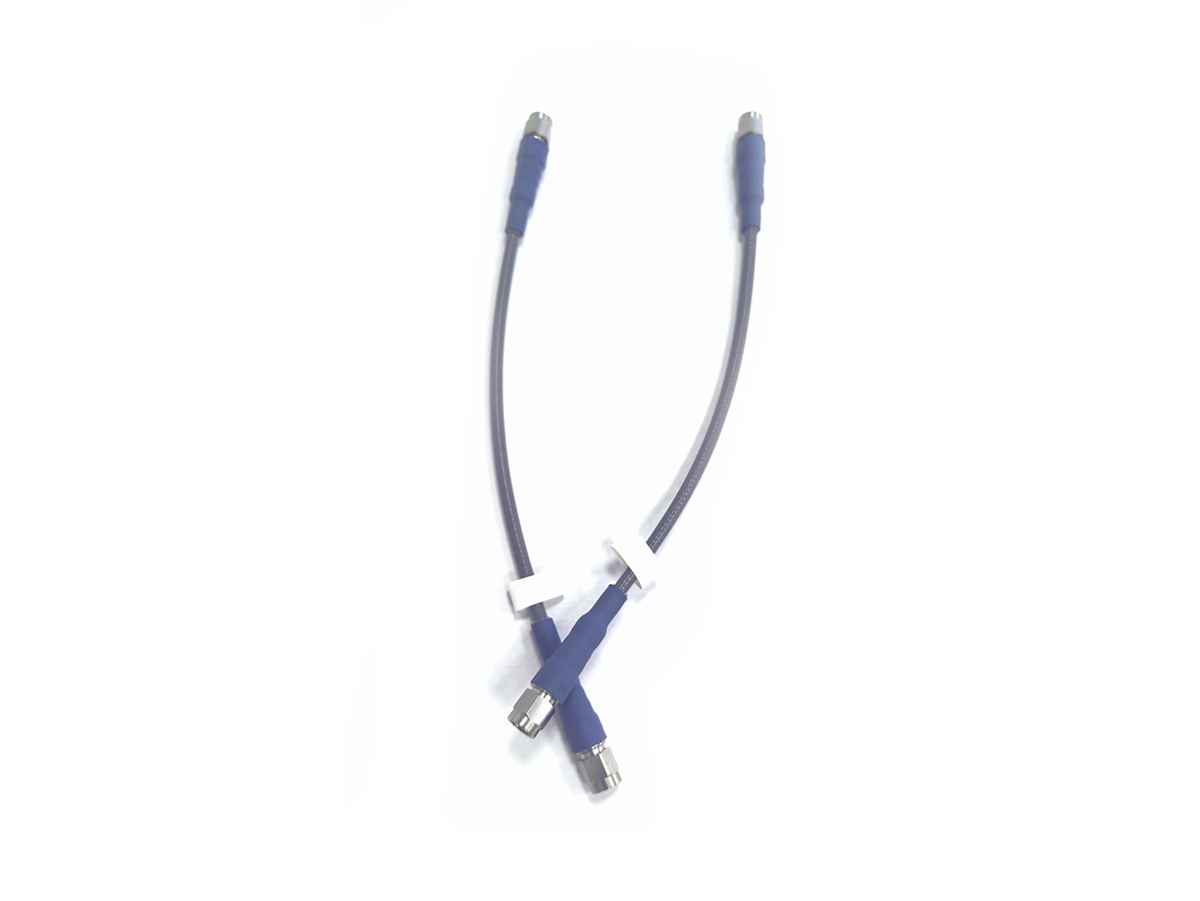
RG316 is a high-performance coaxial cable designed for applications requiring a balance of flexibility, durability, and signal integrity. The cable consists of a central conductor, dielectric insulator, outer conductor, and a protective jacket. RG316 is particularly valued for its low loss at high frequencies, making it suitable for various electronic and communication applications.
2. Key Features of RG316 Coaxial Cable Assemblies
To select the best RG316 coaxial cable assembly, it’s crucial to understand its vital features.
2.1 Impedance and Frequency Range
The standard impedance of RG316 cable is 50 ohms, which is ideal for most radio frequency (RF) applications. It operates efficiently over a frequency range of up to 6 GHz, providing excellent signal transmission capabilities.
2.2 Signal Loss and Performance
One of the standout characteristics of RG316 is its low attenuation. This means that it minimizes signal loss, maintaining the integrity of the transmitted data over long distances. The cable's construction aids in achieving low signal attenuation, making it optimal for high-frequency applications.
3. Applications of RG316 Coaxial Cable Assemblies
RG316 coaxial cable assemblies find their place in numerous applications, including:
- Antenna connections in wireless communication systems
- Instrumentation and test equipment
- Military and aerospace applications
- Broadcasting and telecommunication systems
- Medical devices that require reliable signal transmission
Each of these applications leverages RG316's unique properties, ensuring consistent performance and reliability.
4. Factors to Consider When Choosing RG316 Cable Assemblies
When selecting an RG316 coaxial cable assembly, consider the following factors to ensure optimal performance for your specific application.
4.1 Length and Flexibility
The required length of the coaxial cable is crucial. Longer cables may introduce more signal loss due to increased attenuation. Additionally, flexibility can be a deciding factor in installations requiring tight bends or specific routing.
4.2 Connector Types
Different applications may require various connector types, such as SMA, N-type, or TNC connectors. Ensure that the selected connectors match the devices being used to avoid compatibility issues. Selecting the right connector type is essential for maximizing performance and minimizing signal loss.
4.3 Environmental Factors
Consider where the coaxial cable will be installed. If it’s to be used in an outdoor setting, ensure that the assembly is rated for weather resistance. For industrial settings, durability against chemicals or physical abrasion could be necessary.
5. Installation Tips for RG316 Coaxial Cable Assemblies
Proper installation is key to maximizing the performance of your RG316 coaxial cable assembly. Here are some effective tips:
- **Avoid sharp bends:** Maintaining a gentle radius during installation helps prevent damage to the cable and ensures optimal signal integrity.
- **Secure connections:** Ensure all connectors are tightly secured to prevent signal loss due to loose connections.
- **Use appropriate tools:** Employ the right tools for stripping and connecting the cables to avoid damaging the assembly.
Following these tips can significantly enhance the durability and effectiveness of your installation.
6. Common Mistakes to Avoid When Selecting RG316 Cables
To ensure you choose the best RG316 coaxial cable assembly, be aware of these common pitfalls:
- **Ignoring length requirements:** Always measure the distance from the device to the connection point.
- **Overlooking connector compatibility:** Ensure that both ends of the cable have compatible connectors for your equipment.
- **Neglecting environmental factors:** Failure to consider the installation environment can lead to premature wear or failure of the cable.
Being mindful of these aspects will help you make a more informed decision.
7. FAQs About RG316 Coaxial Cable Assemblies
What is the maximum frequency for RG316 coaxial cable?
RG316 coaxial cable can effectively operate at frequencies up to 6 GHz, making it suitable for high-frequency applications.
Is RG316 suitable for outdoor use?
While RG316 is durable, it is advisable to use an assembly specifically designed for outdoor applications if exposed to the elements.
How does RG316 compare to other coaxial cables?
RG316 offers lower attenuation and better flexibility compared to other coaxial cables, making it ideal for specialized applications.
Can RG316 coaxial cable be used for video transmission?
Yes, RG316 is suitable for video transmission, especially in applications where signal integrity is crucial.
What is the typical connector type used with RG316 cables?
Common connectors include SMA, N-type, and TNC, depending on the specific requirements of the application.
8. Conclusion
Choosing the best RG316 coaxial cable assembly for your application involves a thorough understanding of the cable's features, applications, and selection criteria. By evaluating factors such as length, connector types, and environmental conditions, you can ensure optimal performance and durability. With the right knowledge and careful consideration, you can make an informed decision that meets your connectivity needs, thereby enhancing the overall effectiveness of your systems.


Do you have Questions?
Not sure what you're looking for? Unable to find what you need?