

Understanding Low Skew Differential Signal Cables: Design and Application Insights
Release Date:2026-09-03


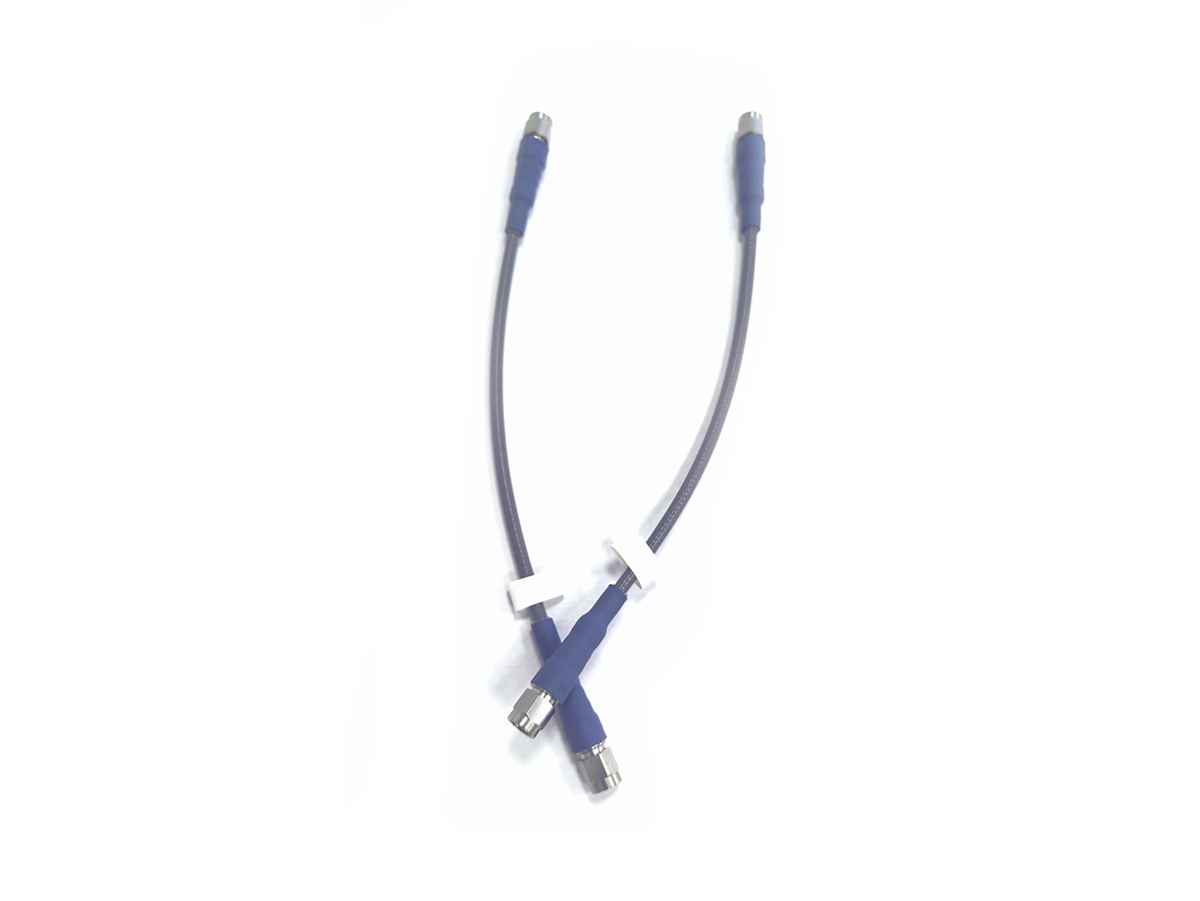
Low skew differential signal cables are engineered to minimize timing discrepancies between the differential pairs of signals they carry. Such cables play a crucial role in high-speed data transmission, where maintaining signal integrity is paramount. In today’s fast-paced technological landscape, understanding the significance of low skew in differential signaling is essential for professionals in the electrical and electronics industries.
The term "low skew" refers to the closely matched electrical characteristics of the two conductors in a differential pair. This matching is vital for ensuring that both signals arrive at their destination simultaneously, thus reducing the likelihood of skew-induced errors. Skew can lead to data corruption, especially at high frequencies, where even a slight timing difference can result in significant issues.
One of the primary designs of low skew differential signal cables is their twisted pair configuration. Twisted pairs reduce electromagnetic interference (EMI) and crosstalk while maintaining the required signal balance. By twisting the conductors together, the cable design effectively cancels out environmental noise, which can be especially beneficial in industrial settings.
Additionally, the choice of insulation and shielding materials in these cables can further enhance performance. High-quality insulation materials help maintain the signal's integrity by preventing dielectric losses, while effective shielding protects against external interferences. This combination of factors allows low skew differential signal cables to operate efficiently in a variety of environments, including data centers, telecommunications, and instrumentation applications.
The applications of low skew differential signal cables are broad and diverse. They are commonly used in high-speed serial communication systems, such as HDMI, USB, and SATA connections, where precise timing and signal integrity are critical. These cables are also favored in applications requiring high-frequency data transfer, such as video transmission and high-speed networking.
In summary, low skew differential signal cables are an essential component for ensuring high-performance data communication. Their design minimizes timing discrepancies, making them ideal for applications where signal integrity is critical. As the demand for faster and more reliable data transmission continues to grow, the importance of low skew differential signal cables is becoming increasingly recognized in the electrical and electronics industries. By understanding their design and application, professionals can make informed decisions in selecting the right cables for their projects, thereby enhancing overall system performance.
The term "low skew" refers to the closely matched electrical characteristics of the two conductors in a differential pair. This matching is vital for ensuring that both signals arrive at their destination simultaneously, thus reducing the likelihood of skew-induced errors. Skew can lead to data corruption, especially at high frequencies, where even a slight timing difference can result in significant issues.
One of the primary designs of low skew differential signal cables is their twisted pair configuration. Twisted pairs reduce electromagnetic interference (EMI) and crosstalk while maintaining the required signal balance. By twisting the conductors together, the cable design effectively cancels out environmental noise, which can be especially beneficial in industrial settings.
Additionally, the choice of insulation and shielding materials in these cables can further enhance performance. High-quality insulation materials help maintain the signal's integrity by preventing dielectric losses, while effective shielding protects against external interferences. This combination of factors allows low skew differential signal cables to operate efficiently in a variety of environments, including data centers, telecommunications, and instrumentation applications.
The applications of low skew differential signal cables are broad and diverse. They are commonly used in high-speed serial communication systems, such as HDMI, USB, and SATA connections, where precise timing and signal integrity are critical. These cables are also favored in applications requiring high-frequency data transfer, such as video transmission and high-speed networking.
In summary, low skew differential signal cables are an essential component for ensuring high-performance data communication. Their design minimizes timing discrepancies, making them ideal for applications where signal integrity is critical. As the demand for faster and more reliable data transmission continues to grow, the importance of low skew differential signal cables is becoming increasingly recognized in the electrical and electronics industries. By understanding their design and application, professionals can make informed decisions in selecting the right cables for their projects, thereby enhancing overall system performance.


Do you have Questions?
Not sure what you're looking for? Unable to find what you need?