

Decoding RF Coaxial Assemblies: Common Questions Answered!
Release Date:2025-09-16


Getting to Know RF Coaxial Assemblies
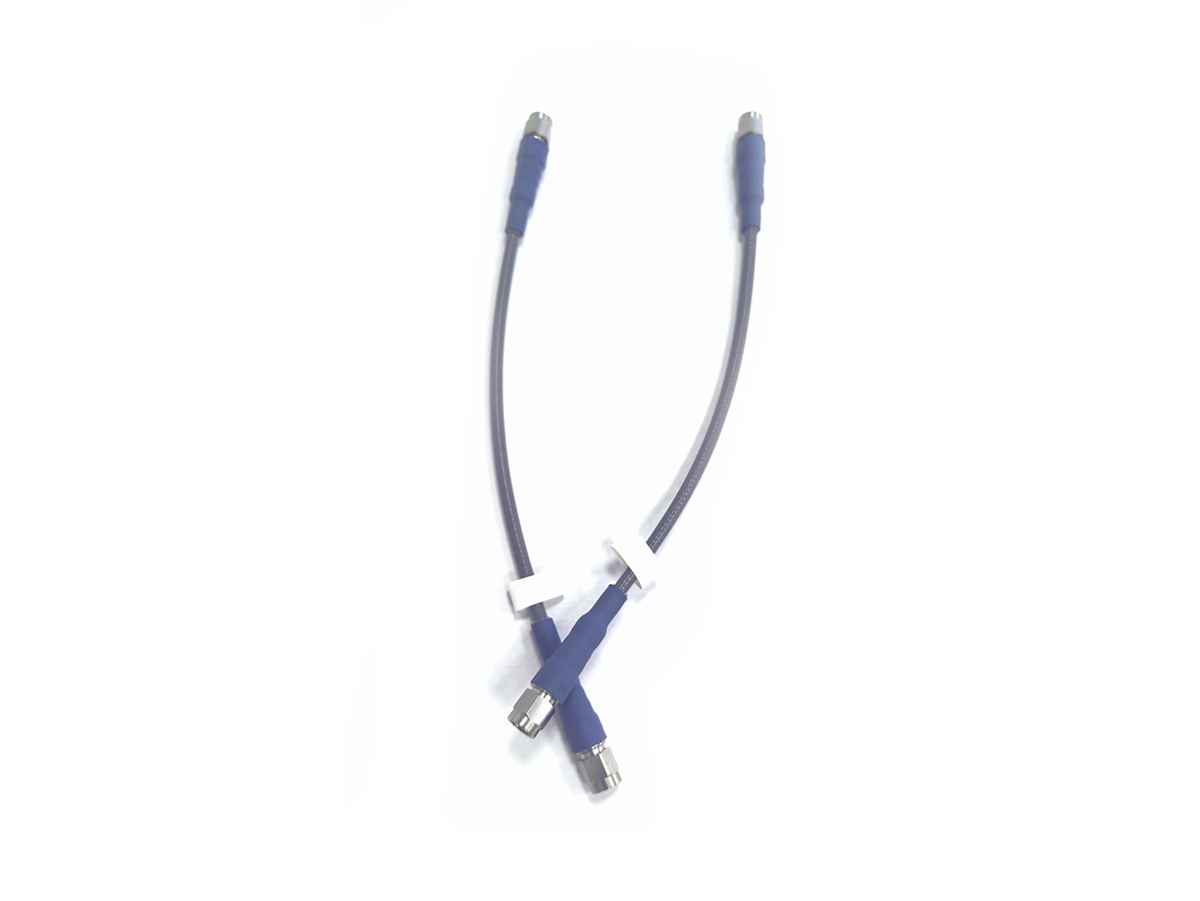
So, you've heard the term RF coaxial assemblies tossed around, but what exactly does it mean? Well, let's break it down, shall we? These nifty components play a crucial role in the world of radio frequency (RF) communication, acting as the backbone for transmitting signals with minimal loss. Imagine them as the unsung heroes of your favorite gadgets!
What Makes RF Coaxial Assemblies Special?
At their core, RF coaxial assemblies consist of a central conductor, an insulating layer, and an outer conductor. Think of it like a sandwich: the bread (outer conductor) protects the filling (central conductor) and keeps everything nice and tidy. This design minimizes interference and maintains signal integrity, which is a big deal in communication technology.
Common Questions About RF Coaxial Assemblies
1. What Applications Use RF Coaxial Assemblies?
You might be surprised to learn that RF coaxial assemblies are everywhere! From cell phones and satellites to TV antennas and wireless networks, these assemblies are vital for ensuring clear and reliable communication. They're the go-to choice for anyone needing to transmit high-frequency signals.
2. How Do I Choose the Right Assembly?
Ah, the million-dollar question! When selecting an RF coaxial assembly, consider factors like frequency range, cable length, and connector type. It's a bit like shopping for shoes; you want the right fit for the occasion! If you're unsure, consulting with a professional can save you a world of headaches.
3. Can I Make My Own RF Coaxial Assemblies?
Absolutely! But, hold your horses. While DIY projects can be fun, creating your own RF coaxial assemblies requires a good understanding of RF principles, tools, and techniques. If you're up for the challenge, just make sure you have the right materials and a solid plan in place.
4. What Maintenance Do RF Coaxial Assemblies Need?
Like any other component, RF coaxial assemblies benefit from regular check-ups. Inspect for wear and tear, and make sure connections are tight. A little TLC goes a long way in keeping your assemblies performing at their best!
Troubleshooting Common Issues
Sometimes things don't go as planned. If you're experiencing signal loss, interference, or poor performance, it might be time to troubleshoot your RF coaxial assemblies. Check connections, replace damaged cables, and ensure your assembly is suited for the application. Remember, when in doubt, don't hesitate to seek expert advice!
The Future of RF Coaxial Assemblies
As technology continues to evolve, so do RF coaxial assemblies. Innovations in materials and design promise to enhance performance and reliability even further. It's an exciting time to be involved in the RF world!
Wrapping It Up!
So there you have it! A quick dive into the frequently asked questions surrounding RF coaxial assemblies. These components are more important than you might think, serving as the lifelines of communication technology. Whether you're a seasoned pro or just starting out, understanding these assemblies can make all the difference in your projects.


Do you have Questions?
Not sure what you're looking for? Unable to find what you need?