

Demystifying Aerospace High Speed Data Cables: Your FAQs Answered!
Release Date:2025-08-27


Introduction
Hey there, tech enthusiasts! Have you ever wondered what keeps the communication lines buzzing high above our heads? Well, let me introduce you to the unsung heroes of the aviation world: Aerospace High Speed Data Cables. These cables are pivotal in ensuring that data flows seamlessly through the intricate systems of modern aircraft. But hold your horses! There's a lot more to these cables than meets the eye. Let's dive into some common questions!
What Are Aerospace High Speed Data Cables?
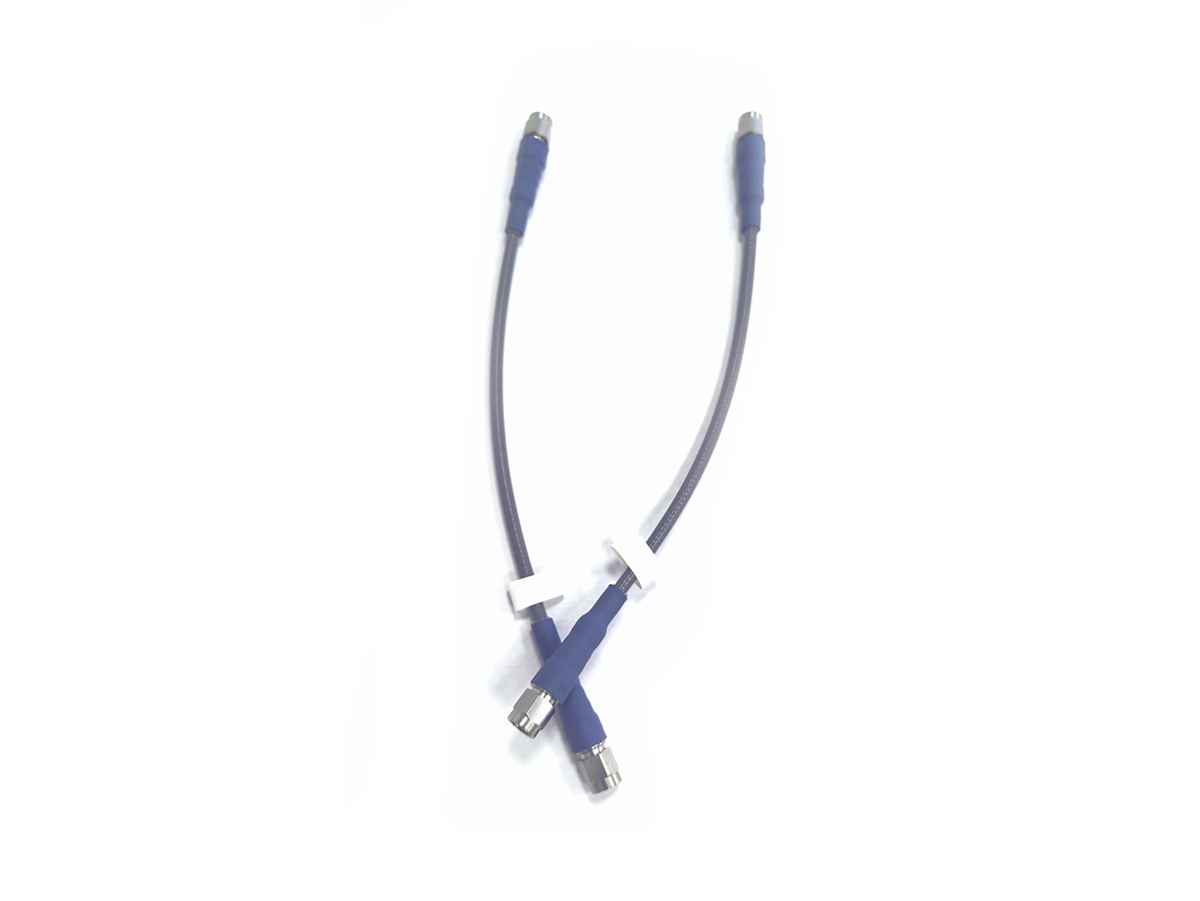
Alright, let's get down to brass tacks. Aerospace High Speed Data Cables are specialized cables designed to handle the intense demands of aerospace applications. They're built to transmit data at lightning speeds while enduring extreme conditions—think high altitudes, fluctuating temperatures, and a bit of vibration for good measure! In simpler terms, they're the backbone of communication for everything from navigation systems to in-flight entertainment.
Why Are They So Important?
Good question! Imagine flying on a plane where the navigation system is lagging. Yikes, right? These cables ensure that all systems are go, keeping communication lines open and operational. They enable real-time data transfer, which is critical for safety, efficiency, and passenger comfort. So, next time you're cruising at 30,000 feet, remember: there's a lot of tech working behind the scenes!
What Makes Them Different from Regular Data Cables?
Now, here's where it gets interesting. Unlike your everyday data cables, Aerospace High Speed Data Cables are engineered specifically for harsh environments. They boast enhanced shielding to protect against electromagnetic interference (EMI), and they're made from materials that can withstand extreme temperature fluctuations. Furthermore, their lightweight design is crucial for maintaining fuel efficiency in aircraft. It's all about that delicate balance!
How Are They Tested?
Testing these cables is no walk in the park. Manufacturers put them through rigorous tests to ensure they meet strict aviation standards. This includes thermal cycling, vibration tests, and even exposure to harsh chemicals. If they don't pass with flying colors, they don't make it to the sky! It's all about safety and reliability.
Can They Be Used in Other Industries?
Absolutely! While they're primarily designed for aerospace applications, the technology behind Aerospace High Speed Data Cables has made its way into other areas too. Think automotive, defense, and even industrial machinery. The high-speed data transfer capabilities and durability make them a hot commodity across various sectors. Talk about versatility!
What Should I Look for When Choosing These Cables?
If you're in the market for Aerospace High Speed Data Cables, here are a few tips to keep in mind:
- Certification: Always check for relevant certifications to ensure compliance with aerospace standards.
- Material Quality: Look for cables made from high-grade materials that can withstand environmental challenges.
- Speed Ratings: Make sure the cables meet the required data transfer speed for your specific application.
- Manufacturer Reputation: It's always wise to go with reputable manufacturers who have a track record in the aerospace industry.
Conclusion
So there you have it—your burning questions about Aerospace High Speed Data Cables answered! These cables are more than just wires; they're crucial components that ensure the safety and efficiency of air travel. As technology continues to advance, we can only expect these cables to evolve even further. Until next time, keep looking up—who knows what other wonders the skies hold!


Do you have Questions?
Not sure what you're looking for? Unable to find what you need?