

High-performance computers and server storage welcome the new LD-PTFE core wire material
Release Date:2021-11-09


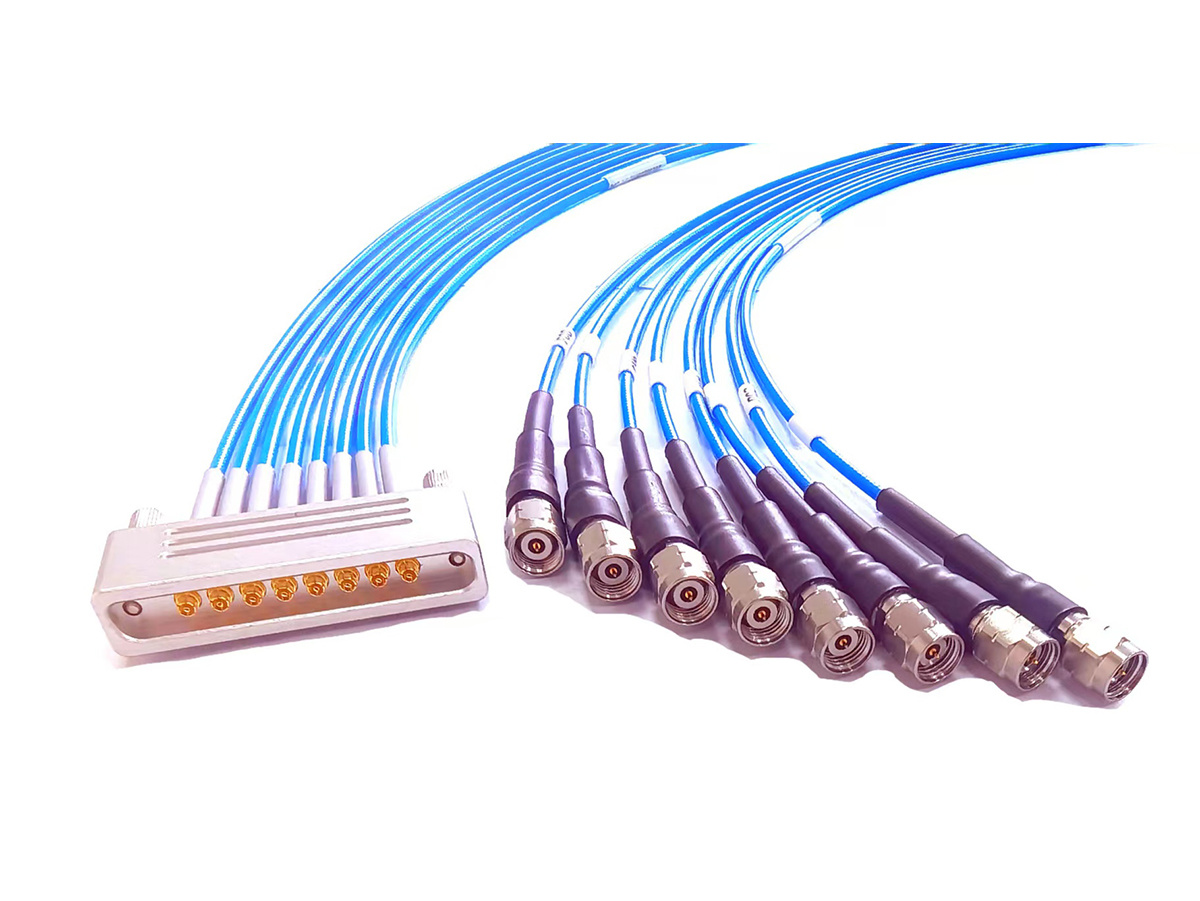
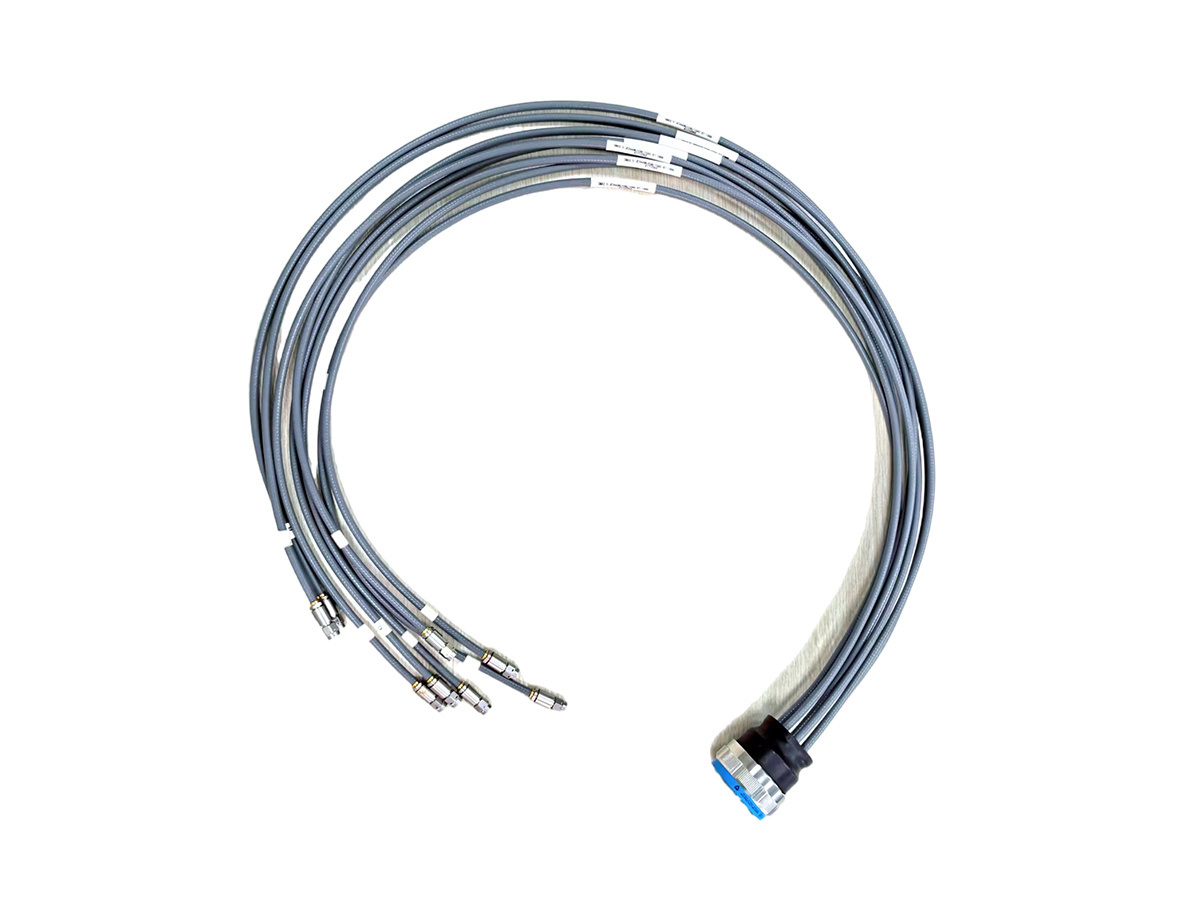
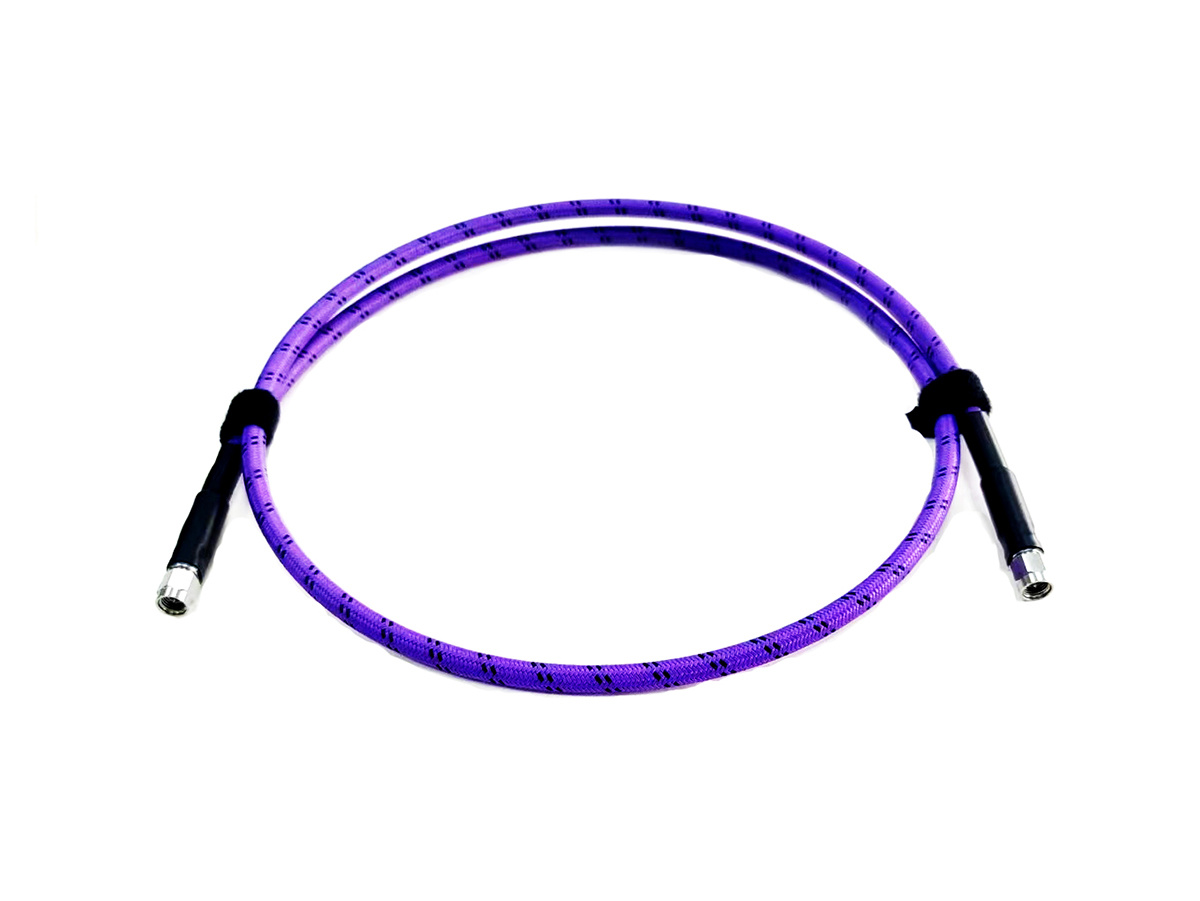
In the field of high-performance computing and server storage, fast data transmission and stable storage are critical. Low-density polytetrafluoroethylene microporous membrane (LD-PTFE) wrapped core wire, with its unique performance advantages, brings new impetus to this field.
LD-PTFE has extremely low transmission loss and excellent high-frequency performance, enabling high-speed, low-latency data transmission in high-performance computing and server storage systems. Its wrapped structure effectively reduces signal reflection and interference, ensuring the integrity and accuracy of data transmission. This is crucial for high-performance computing and server storage systems that handle large amounts of data, improving the overall performance and operating efficiency of the system.
A well-known computer hardware manufacturer has adopted LD-PTFE wrapped core wire in its newly launched high-performance servers. By using this wire, the servers can achieve faster data transmission speeds and lower latency, significantly improving system response speed and throughput when performing large-scale data processing and storage. At the same time, the stability of LD-PTFE wire also allows the server to maintain good performance during long-term operation, reducing the risk of system failures and data loss due to data transmission problems.
In addition, LD-PTFE wrapped core wire also has good high-temperature and wear resistance, enabling stable operation in the complex environment of high-performance computing and server storage systems. It can withstand the high temperatures and vibrations generated during server operation, ensuring the reliability and service life of the cable.
With the continuous development of high-performance computing and server storage technologies, the requirements for data transmission and storage performance will become increasingly higher. LD-PTFE wrapped core wire, with its advantages in data transmission and stability, is expected to be more widely used in this field, providing strong support for the development of high-performance computing and server storage systems.
Do you have Questions?
Not sure what you're looking for? Unable to find what you need?