

LD - PTFE core wire has broad application prospects in handheld portable testing equipment
Release Date:2025-04-24


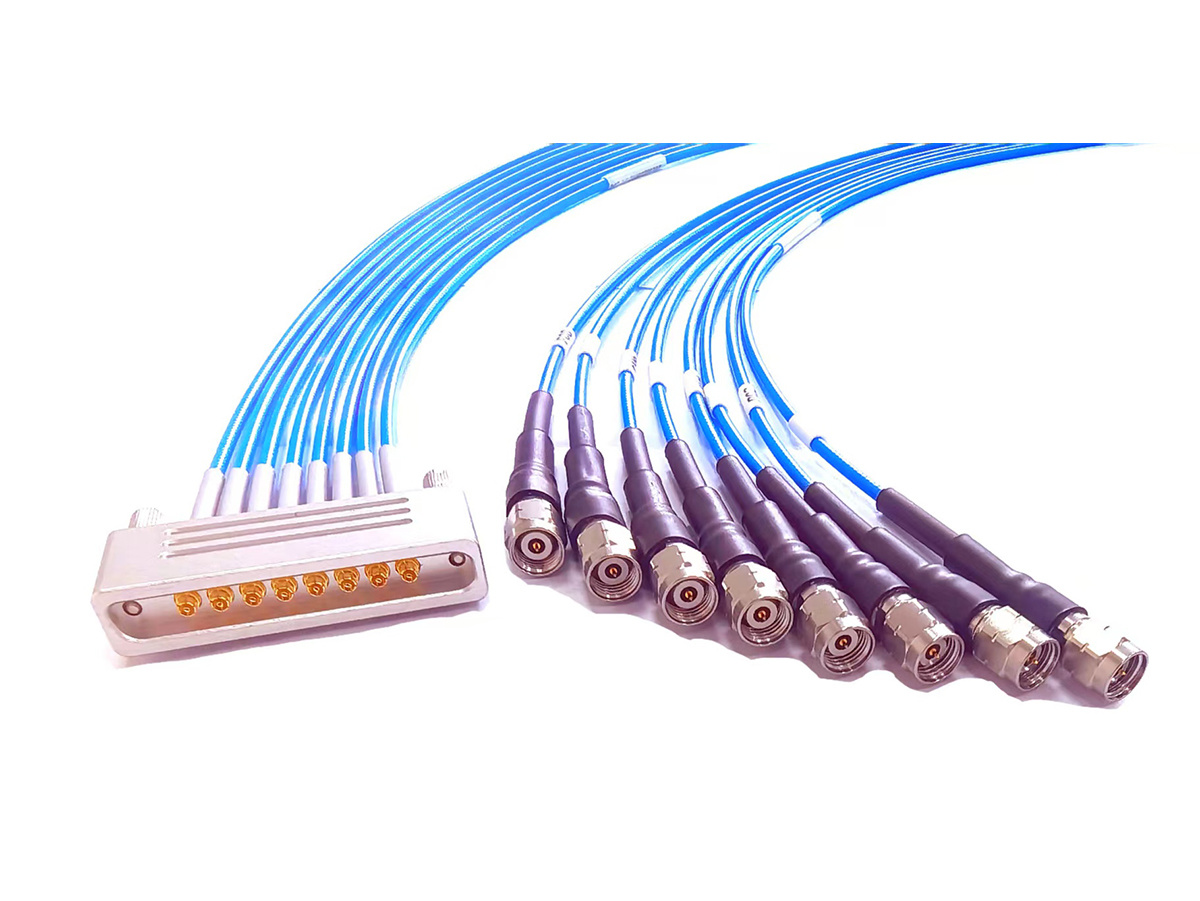
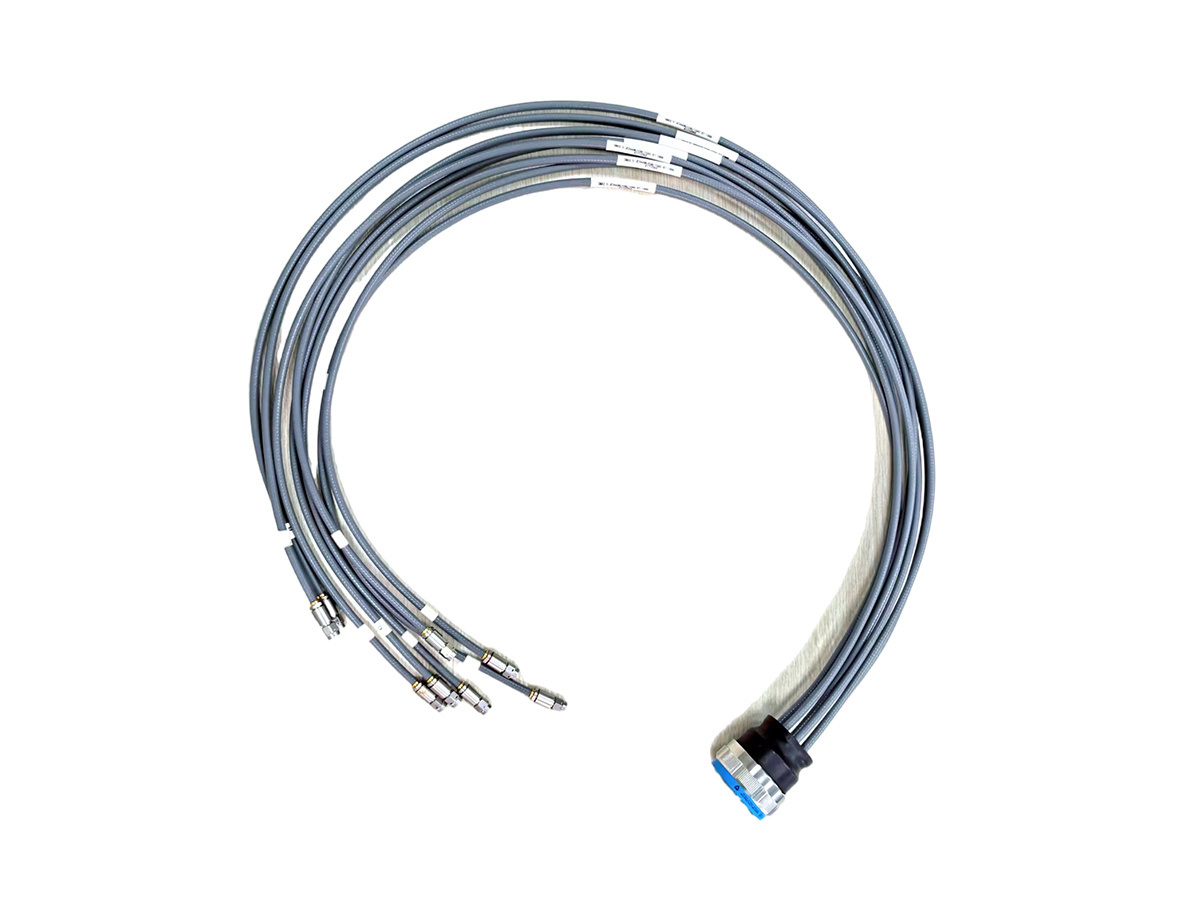
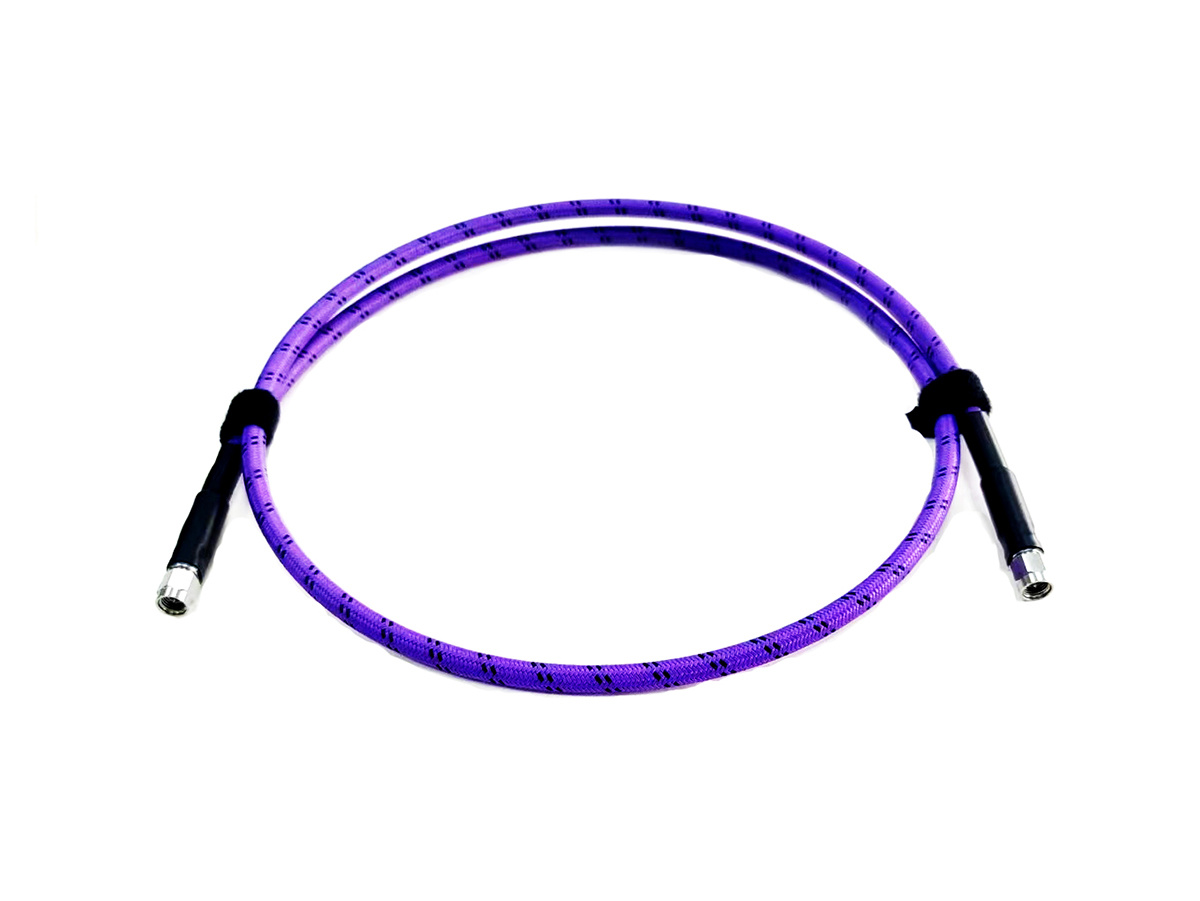
Handheld portable testing equipment is widely used in various fields due to its portability and flexibility. Low-density polytetrafluoroethylene microporous membrane (LD-PTFE) wound core wire, with its unique performance characteristics, brings new opportunities for the development of handheld portable testing equipment.
LD-PTFE features low density and lightweight characteristics, which are very important for handheld portable testing equipment. It reduces the weight of the equipment, making it easier for users to carry and operate. At the same time, it also has good flexibility and bending resistance, adapting to the bending and stretching requirements of the equipment in different usage scenarios, and is not easily broken or damaged.
A company specializing in the production of handheld portable testing equipment used LD-PTFE wound core wire in its latest product development. This wire not only achieves stable signal transmission in the equipment but also effectively reduces the overall weight of the equipment. For example, in a handheld spectrometer, the use of LD-PTFE wire reduced the weight of the equipment by about 20%, while the stability and accuracy of signal transmission were also significantly improved. In handheld electronic testing instruments, LD-PTFE wire allows the equipment to be more compact and lightweight while ensuring signal quality, making it easier for users to perform testing and measurement on-site.
In addition, LD-PTFE wound core wire also has good wear resistance and anti-aging properties, maintaining stable performance during long-term use. It can withstand friction and collisions during equipment use, extending the service life of the equipment.
With the continuous expansion of the handheld portable testing equipment market, the performance requirements for materials will become increasingly higher. LD-PTFE wound core wire, with its advantages in lightweight, flexibility, and wear resistance, is expected to be more widely used in handheld portable testing equipment, providing strong support for the development of this field.
Do you have Questions?
Not sure what you're looking for? Unable to find what you need?