

Navigating the Nuances of Low-Loss Phase-Stable Coaxial Cable: What You Need to Know
Release Date:2025-08-18


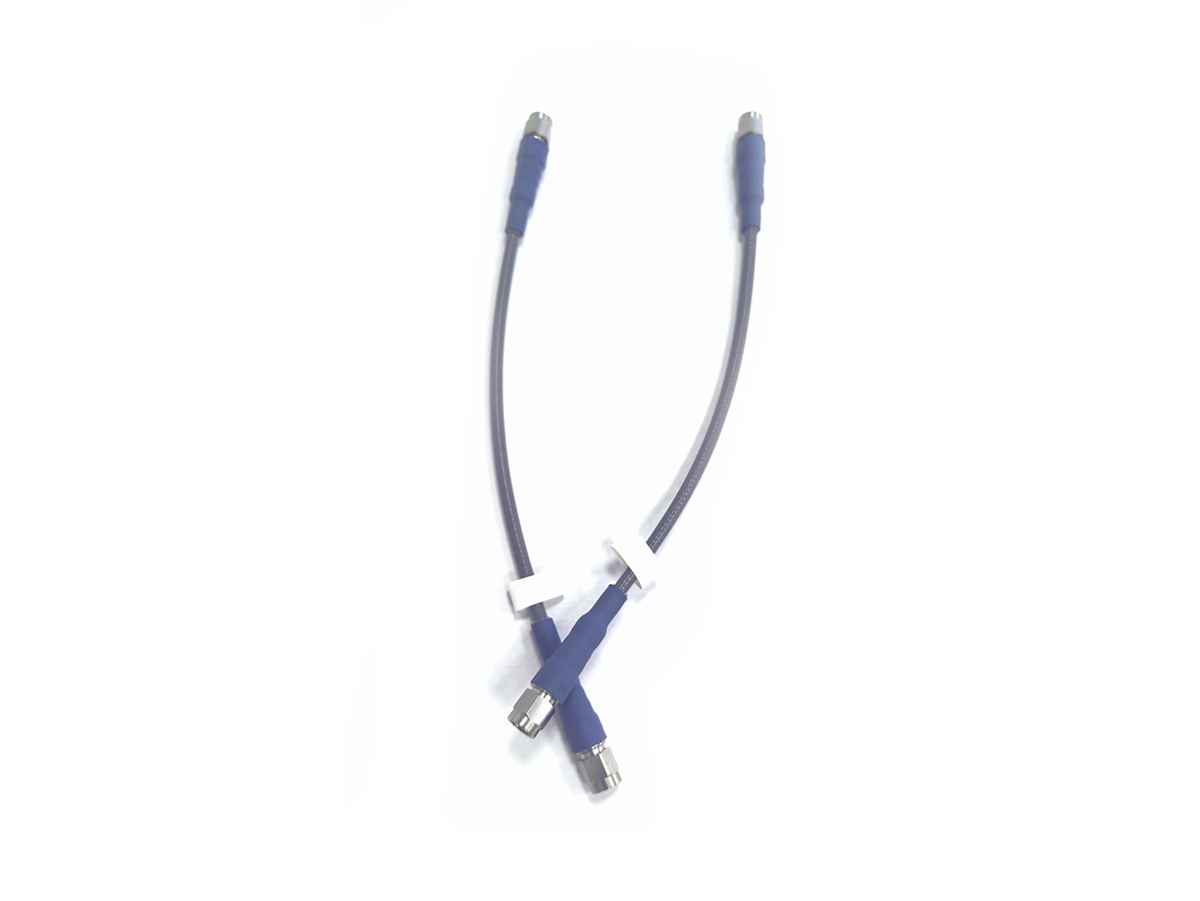
Understanding Low-Loss Phase-Stable Coaxial Cable
In the ever-evolving world of telecommunications and broadcasting, the choice of cables can make or break the quality of your signal. Enter the Low-Loss Phase-Stable Coaxial Cable, a marvel of modern engineering designed to maintain signal integrity over long distances while minimizing loss. This cable is particularly beloved by professionals in RF applications, where precision is paramount.
Why Low-Loss Matters
First off, let's get one thing clear: when it comes to cables, low-loss is the name of the game. Imagine trying to enjoy a concert but only hearing muffled sounds because of poor audio transmission. That's what happens when you use subpar cabling! Low-loss cables ensure that the signals remain strong and clear, reducing the risk of data loss and distortion.
The Beauty of Phase Stability
Now, let's chat about phase stability. Essentially, it's all about keeping the signal in sync. When you're transmitting data, if the signals get out of phase, you could end up with a real mess on your hands. Low-Loss Phase-Stable Coaxial Cable excels in maintaining the timing of the signals, which is crucial for applications like satellite communications, radar, and high-speed data transfers.
Key Considerations
- Length: The longer the cable, the greater the potential for loss. Always measure twice!
- Connector Quality: Don't skimp on connectors. They play a significant role in maintaining signal integrity.
- Installation Environment: Whether indoors or outdoors, make sure the cable is suited for its environment.
- Frequency Range: Ensure the cable is appropriate for the frequency you intend to use. Different applications require different specifications.
Choosing the Right Type
Not all Low-Loss Phase-Stable Coaxial Cables are created equal. There are various types on the market, each tailored for specific applications. For instance, some cables are designed for high-power transmissions, while others are better suited for low-power applications. Knowing your needs is half the battle!
Installation Tips
Alright, let's get down to brass tacks. Proper installation is crucial to ensure that you don't end up with a tangled mess of wires. Here are some handy tips:
- Plan Your Route: Before you start, sketch out a plan. This will save you time and headaches.
- Avoid Sharp Bends: Keep the cable as straight as possible. Sharp turns can damage the integrity of the cable.
- Use Proper Tools: Trust me, having the right tools on hand can make a world of difference.
Maintaining Your Cables
Once your Low-Loss Phase-Stable Coaxial Cable is installed, keeping it in good shape is key. Regular inspections can prevent small issues from becoming major headaches down the line. Look for signs of wear and tear, and don't hesitate to replace connectors if they start to look worn out.
Conclusion: The Bottom Line
So, there you have it! The Low-Loss Phase-Stable Coaxial Cable is a vital component in achieving superior signal integrity for a variety of applications. Whether you're setting up a new broadcasting system or optimizing an existing one, keeping these considerations in mind will help you make informed decisions. Now, go forth and conquer the world of cables with confidence!


Do you have Questions?
Not sure what you're looking for? Unable to find what you need?