

Navigating the Nuances of RF Coaxial Assemblies: What You Need to Know
Release Date:2025-09-17


Understanding RF Coaxial Assemblies
When it comes to the world of electronics, RF coaxial assemblies are like the unsung heroes of signal transmission. These nifty components are crucial for connecting various devices, ensuring that your signals travel smoothly and efficiently. But before you dive headfirst into your next project, there are a few important considerations to keep in mind!
What Exactly Are RF Coaxial Assemblies?
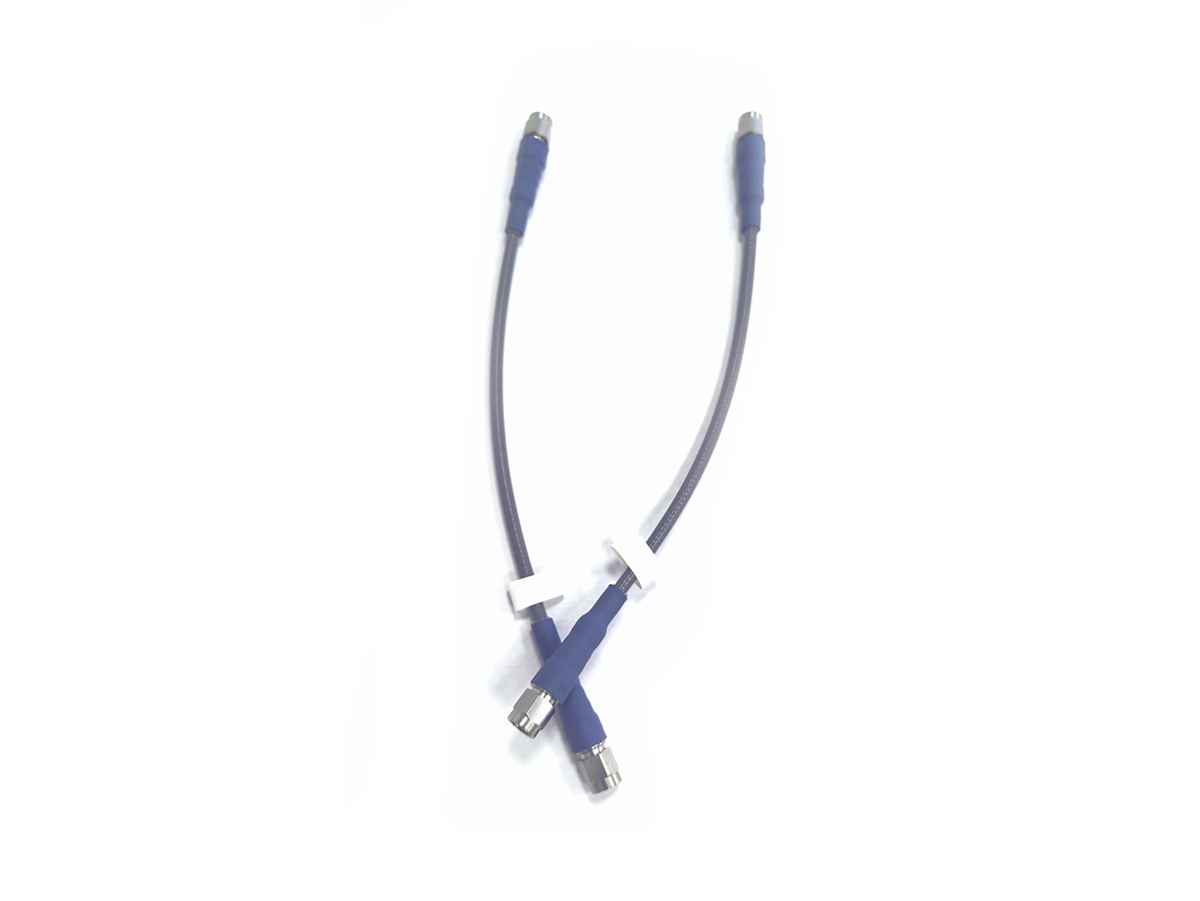
So, what's the deal with RF coaxial assemblies? Essentially, they are cables designed to transmit radio frequency signals with minimal interference. Think of them as the lifelines of communication systems, whether it's in your favorite gadget or a complex telecommunications setup. Their construction typically features a central conductor, an insulating layer, and a conducting shield, all wrapped up in a protective outer layer. Pretty cool, huh?
Key Considerations Before Buying
Alright, here's where it gets a bit spicy. Not all RF coaxial assemblies are created equal. When shopping for these components, keep these factors in mind:
1. Impedance Matters!
First off, impedance plays a significant role in how well your assembly will perform. Most systems operate at either 50 or 75 ohms, so be sure to match this with your project requirements. Trust me; the last thing you want is to face signal loss due to mismatched impedance.
2. Length and Flexibility
Next up, the length of your assembly can make or break your setup. Longer cables can lead to signal degradation, so keep it as short as possible without compromising functionality. Plus, consider flexibility; you don't want a stiff cable cramping your style during installation!
3. Connector Types
Oh boy, connectors! They come in a variety of shapes and sizes, like BNC, SMA, and N-type connectors, each designed for specific applications. Make sure to select the right connector type that fits your devices. A good fit equals better performance, and who doesn't want that?
Installation Tips: Get It Right the First Time
Now that you've got your RF coaxial assemblies in hand, let's talk about installation. It's not rocket science, but a few tips will help you nail it:
1. Handle with Care
These assemblies are delicate; treat them as such! Avoid bending or twisting the cables excessively, as this can lead to internal damage and interference.
2. Secure Connections
Loose connections are a recipe for disaster. Ensure that all connectors are tightened properly to avoid any unwanted signal loss. A little elbow grease goes a long way!
3. Testing, Testing, 1-2-3
Once everything is hooked up, it's time for a test run. Use a signal analyzer to check for any issues that might arise. It's better to catch problems early than to deal with them later.
Future-Proofing Your Setup
Finally, let's chat about future-proofing your RF coaxial assemblies. Technology is always evolving, and so should your components. Keep an eye on emerging standards and advancements in RF technology to ensure your setup remains relevant for years to come.
Conclusion
In a nutshell, RF coaxial assemblies are essential for high-quality signal transmission in various applications. By keeping these considerations in mind—impedance, length, connector types, and installation tips—you can enhance your electronic projects significantly. So, gear up and get ready to tackle your next project with confidence!


Do you have Questions?
Not sure what you're looking for? Unable to find what you need?