

The Advantages of LD-PTFE Wrapped Cables in Electrical Applications
Release Date:2025-09-16


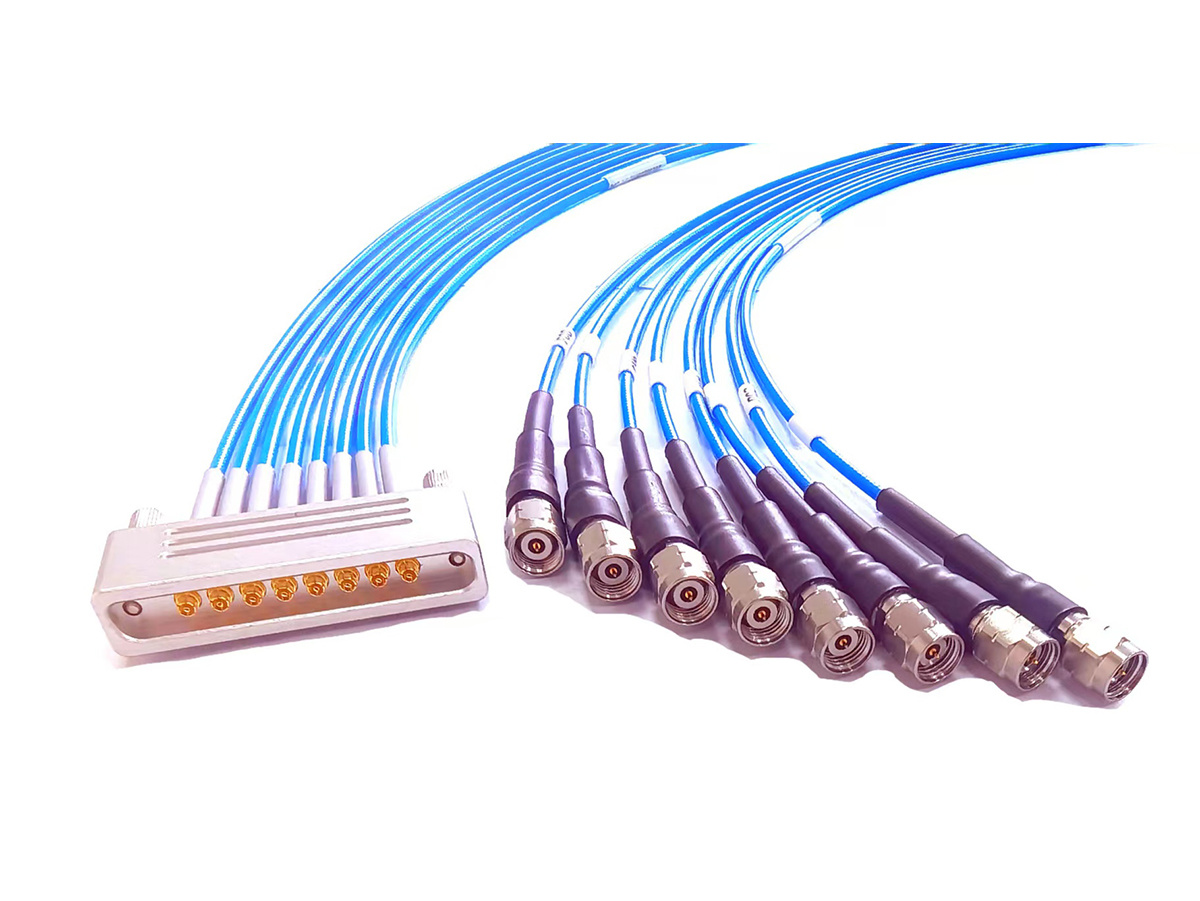
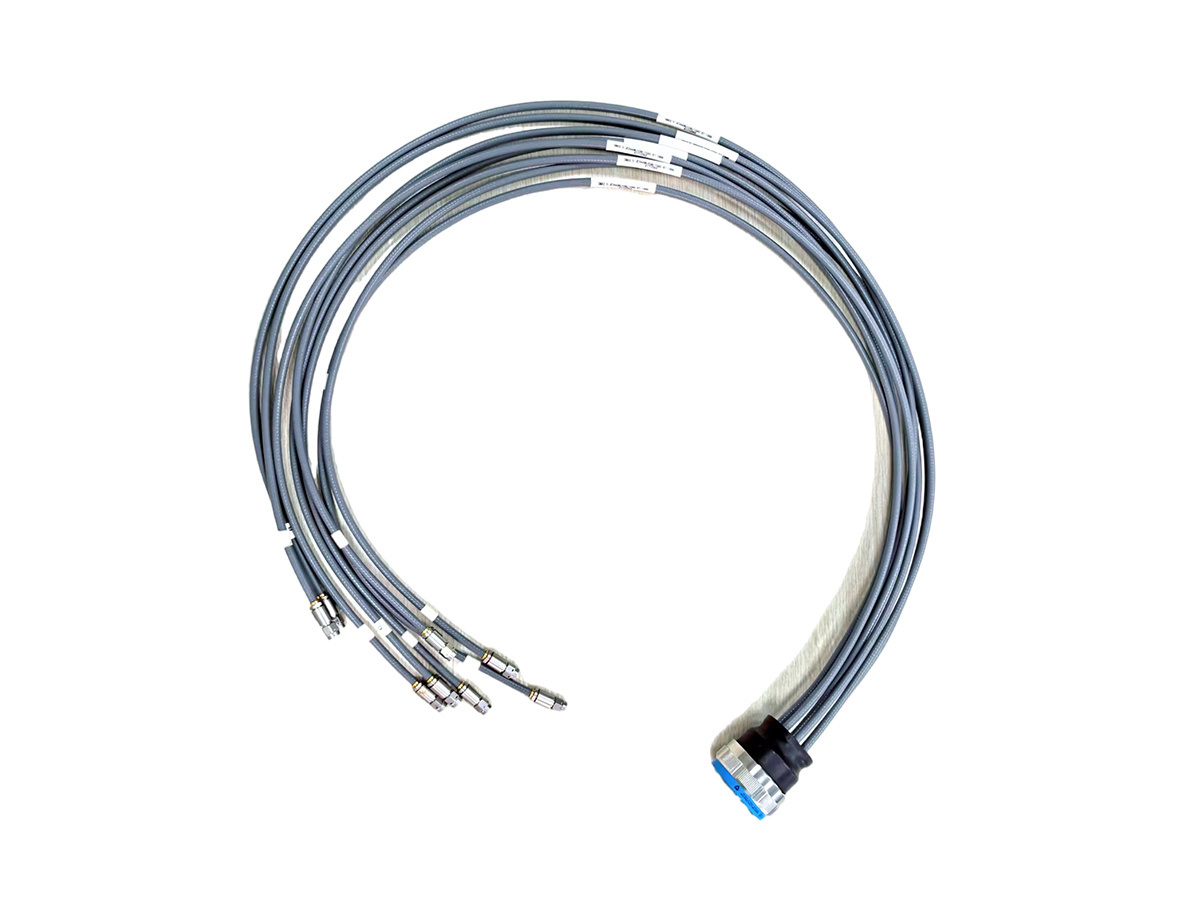
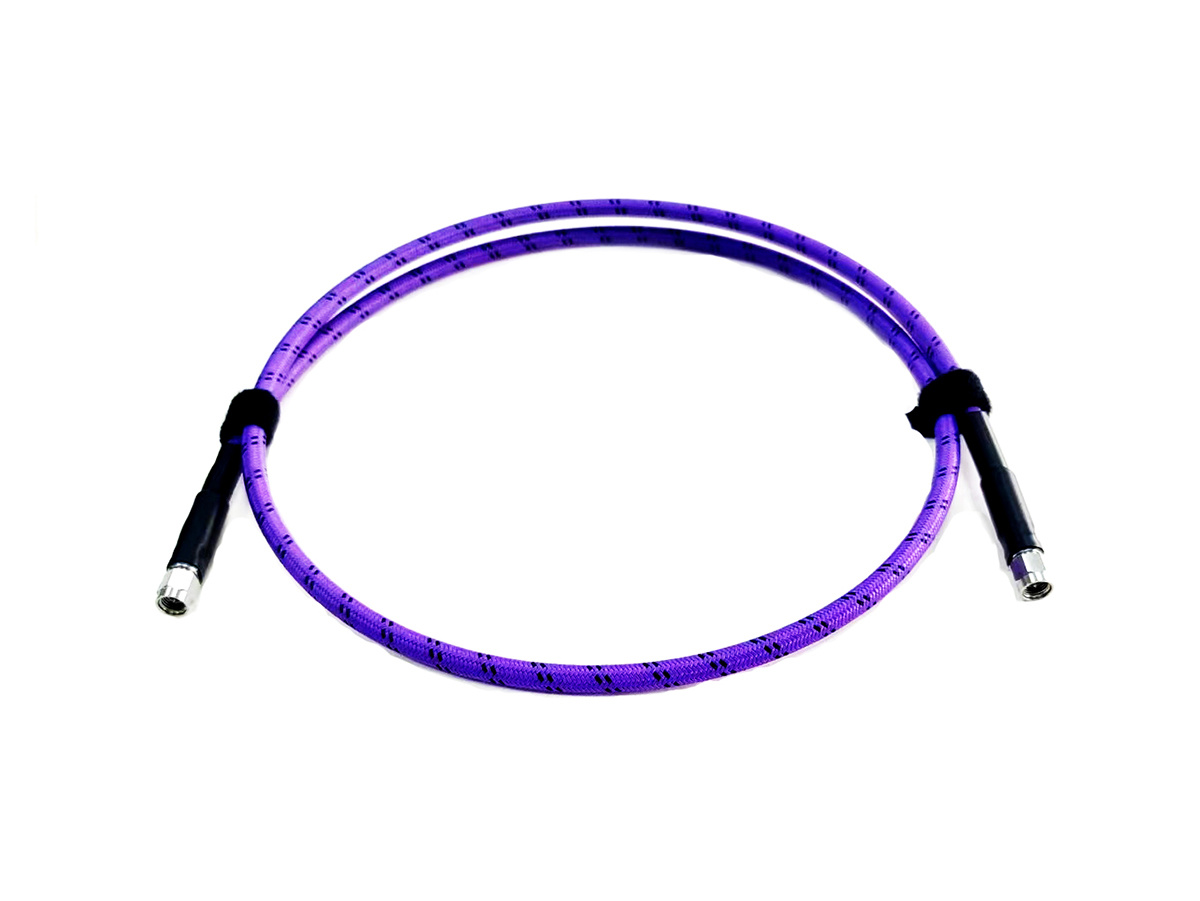
LD-PTFE (Low-Density Polytetrafluoroethylene) wrapped cables have gained significant attention in the electrical and telecommunications sectors, primarily due to their superior insulating properties and chemical resistance. These cables are designed to meet the demanding requirements of various applications, including coaxial communications, where signal integrity is paramount. Understanding the characteristics and advantages of LD-PTFE wrapped cables can greatly inform your decision-making process when selecting materials for your projects.
One of the primary benefits of LD-PTFE wrapped cables is their exceptional thermal stability. LD-PTFE can withstand a wide range of temperatures without degrading, making it an ideal solution for environments that experience significant thermal fluctuations. This stability ensures that the cable maintains its electrical performance even under extreme conditions, thereby reducing the likelihood of failures due to thermal stress.
Moreover, LD-PTFE is known for its low friction coefficient, which aids in reducing signal loss within coaxial cables. This property is critical in maintaining the integrity of high-frequency signals, making LD-PTFE wrapped cables a preferred choice in applications such as telecommunications, aerospace, and military communications. The minimized dielectric losses associated with LD-PTFE contribute to higher efficiency in signal transmission, allowing for improved overall system performance.
In addition to thermal and electrical benefits, LD-PTFE wrapped cables are highly resistant to chemical exposure and moisture. This feature makes them suitable for use in harsh environments where traditional materials may quickly deteriorate. The ability to resist corrosive substances and humidity ensures a longer lifespan for the cables, resulting in reduced maintenance costs and improved reliability.
Another important aspect of LD-PTFE wrapped cables is their flexibility. Unlike traditional materials, LD-PTFE allows for easier routing and installation, especially in applications with tight spaces or complex layouts. This flexibility can significantly enhance productivity during the installation phase and can be a deciding factor when choosing cable types for intricate designs.
When considering LD-PTFE wrapped cables, it’s also crucial to address their environmental impact. LD-PTFE is a fluoropolymer known for its non-toxic properties and inertness. This characteristic minimizes the risk of environmental contamination, aligning with growing industry standards for sustainability and responsible manufacturing practices.
In summary, LD-PTFE wrapped cables offer a range of advantages, including excellent thermal stability, low dielectric losses, chemical resistance, flexibility, and environmental safety. These features make them an essential choice for various electrical and telecommunications applications, where performance and reliability are non-negotiable. By incorporating LD-PTFE wrapped cables into your projects, you can ensure a higher standard of quality and efficiency in your electrical designs.
Do you have Questions?
Not sure what you're looking for? Unable to find what you need?