

The medical electronics field welcomes new LD-PTFE core wire materials
Release Date:2021-11-12


Medical electronic devices have strict requirements for material safety, reliability, and biocompatibility. Low-density PTFE microporous membrane (LD-PTFE) wrapped core wire, with its unique performance advantages, is gradually emerging in the medical electronics field.
LD-PTFE has good biocompatibility and will not adversely affect human tissue, making it ideal for use in medical electronic devices that come into direct contact with the human body, such as pacemakers and implantable sensors. Its excellent insulation performance effectively prevents electric shock to the human body from electronic components inside the device, and also avoids the impact of external electromagnetic interference on device performance, ensuring the stable operation of medical electronic devices.
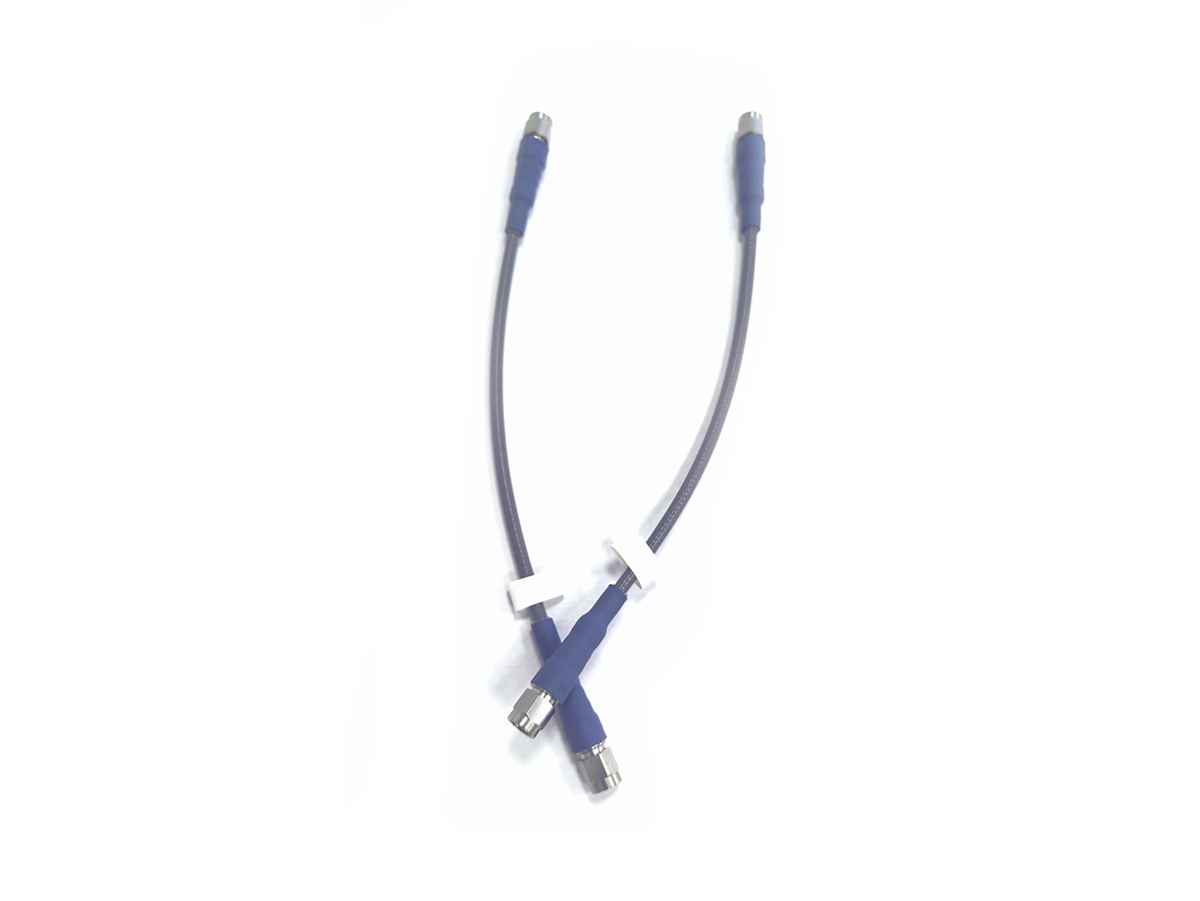
A medical device R&D company has successfully developed a new type of medical cable using LD-PTFE wrapped core wire. The application of this cable in medical devices effectively improves the performance and safety of the devices. In pacemakers, LD-PTFE core wire can accurately transmit electrical signals, control the heart rhythm, and ensure the reliability of the device during long-term use. In medical imaging equipment, LD-PTFE core wire can quickly transmit image data, improving the quality and speed of imaging.
In addition, the chemical stability and corrosion resistance of LD-PTFE also allow medical electronic devices to maintain good performance under different environmental conditions. It can withstand the erosion of various disinfectants and chemicals in the medical environment, extending the service life of the equipment.
With the continuous development of medical electronic technology, the performance requirements for materials will become increasingly higher. LD-PTFE wrapped core wire, with its advantages in biocompatibility, insulation performance, and chemical stability, is expected to be more widely used in the medical electronics field, making greater contributions to the development of the medical industry.


Do you have Questions?
Not sure what you're looking for? Unable to find what you need?