

Understanding EMI Resistant Aerospace Cable: A Key Component for Safety and Performance
Release Date:2025-09-12


In the aerospace industry, the reliability and performance of electrical systems are paramount. One crucial component that contributes significantly to this reliability is the EMI resistant aerospace cable. EMI, or electromagnetic interference, can adversely affect the operation of electronic devices and systems, leading to malfunctions or failures. Therefore, understanding the characteristics and benefits of EMI resistant aerospace cables is essential for professionals in the electrical and aerospace fields.
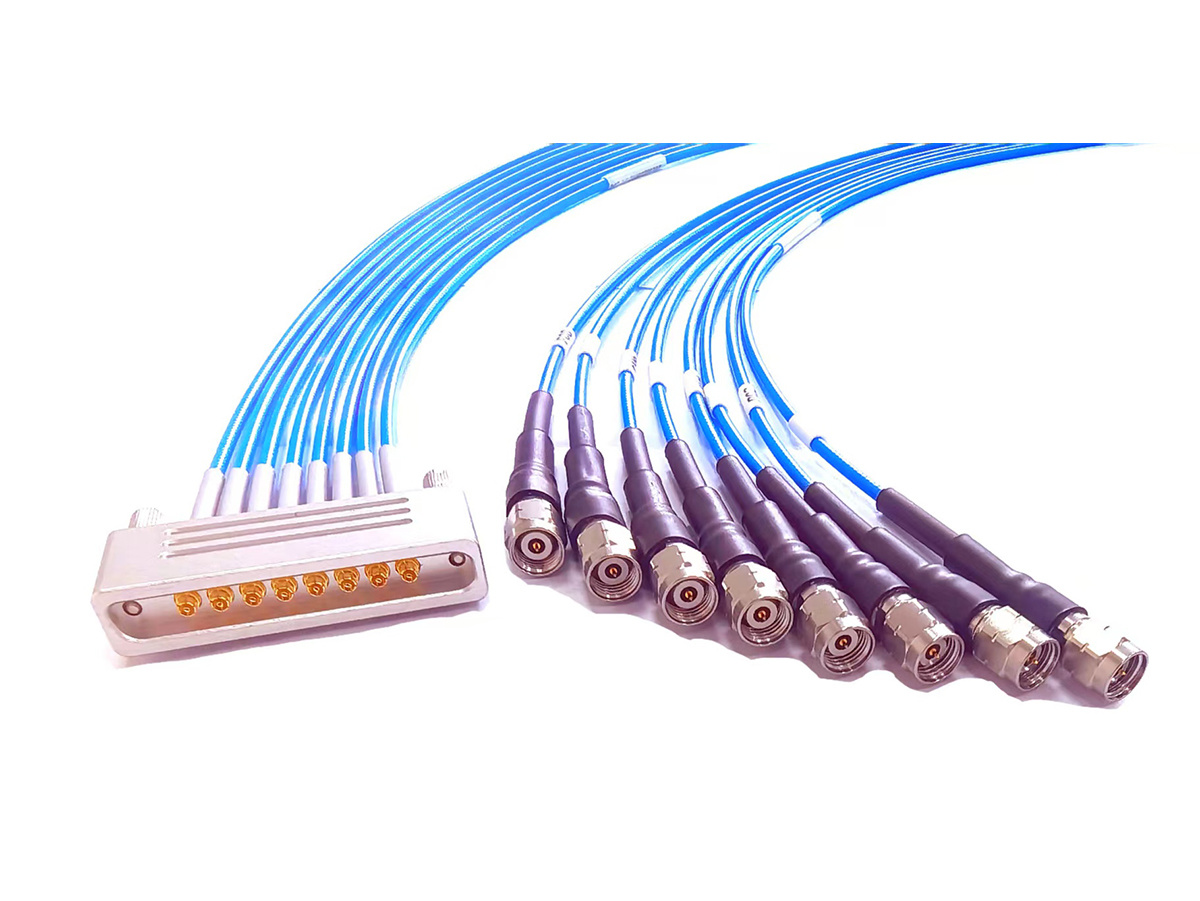
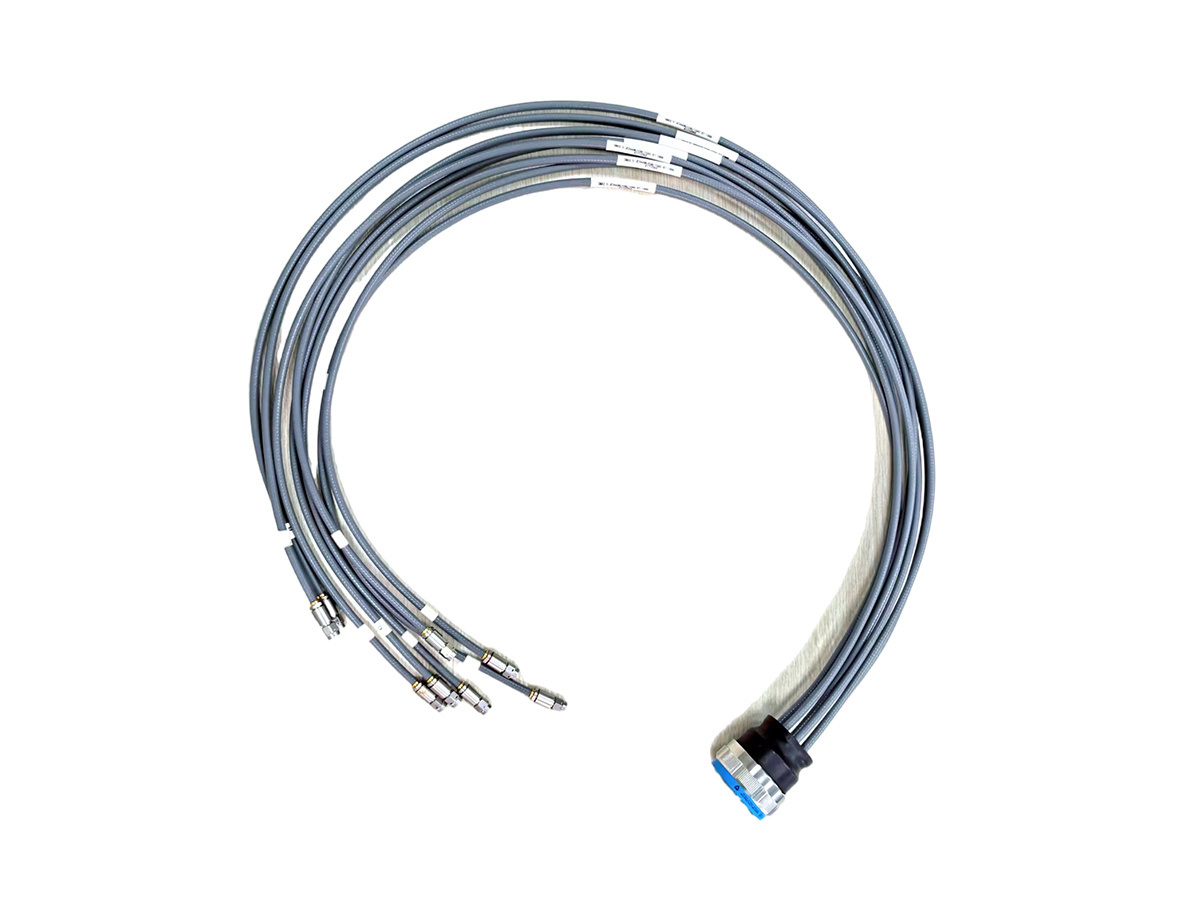
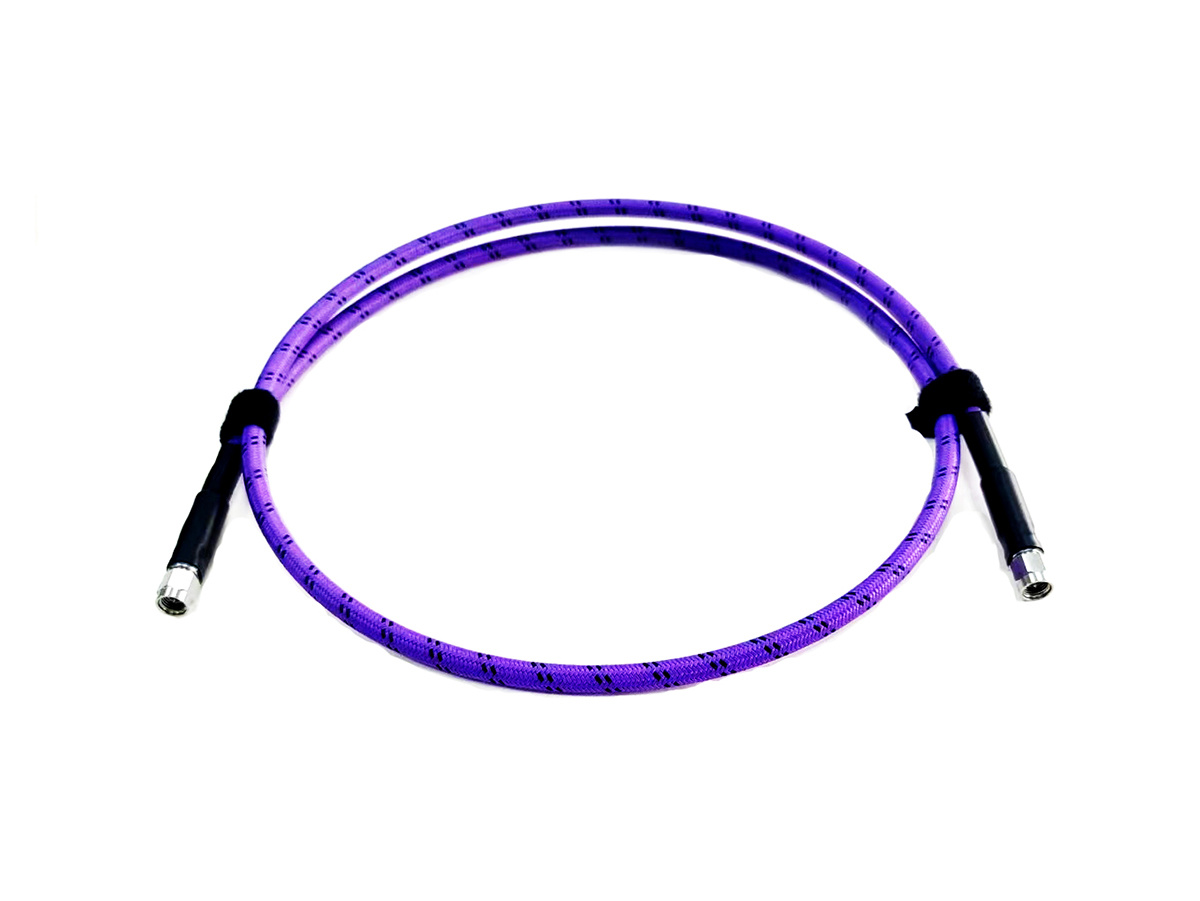
EMI resistant aerospace cables are designed to minimize the impact of electromagnetic interference. They achieve this by employing specific materials and construction techniques that shield the inner conductors from external electromagnetic fields. This shielding may consist of various layers, including metallic braiding or foils, which effectively block unwanted signals from infiltrating the cable. With this design, these cables ensure that sensitive electronic communications and data transmission remain intact, even in environments with high levels of electromagnetic activity.
The importance of using EMI resistant aerospace cables is underscored by the unique operational conditions in the aerospace sector. Aircraft are equipped with numerous electronic systems, such as navigation, communication, and control systems, which are crucial for safe operation. These systems often operate in close proximity to high-power devices that generate significant electromagnetic interference. By utilizing EMI resistant cables, manufacturers can ensure that the critical avionics and other electronic systems perform reliably, reducing the risk of in-flight issues.
Moreover, EMI resistant aerospace cables contribute to overall system efficiency. By minimizing interference, these cables help maintain signal integrity, which is vital for the accuracy of data being transmitted. This is particularly important for modern aircraft, which rely heavily on sophisticated electronic systems to monitor and control various aspects of flight. The use of EMI resistant cables enhances the reliability of these systems, leading to improved operational efficiency and safety.
In addition to their protective features, EMI resistant aerospace cables are also designed to withstand the challenging environmental conditions of aviation. They are typically constructed from materials that offer resistance to extreme temperatures, moisture, and mechanical stress. This durability ensures that the cables maintain their performance over time, even when subjected to the rigors of flight.
In summary, EMI resistant aerospace cables are an essential component in the electrical systems of aircraft. By effectively minimizing electromagnetic interference, these cables play a critical role in enhancing the reliability and performance of sensitive electronic systems. Their robust construction also ensures that they can withstand the harsh conditions of aviation, making them a vital asset in ensuring safety and efficiency in aerospace applications. Understanding the significance of these cables can help professionals in the electrical and aerospace industries make informed decisions regarding their use in various applications.
Do you have Questions?
Not sure what you're looking for? Unable to find what you need?