

Understanding EMI Resistant Aerospace Cables: Key Features and Benefits
Release Date:2025-11-11


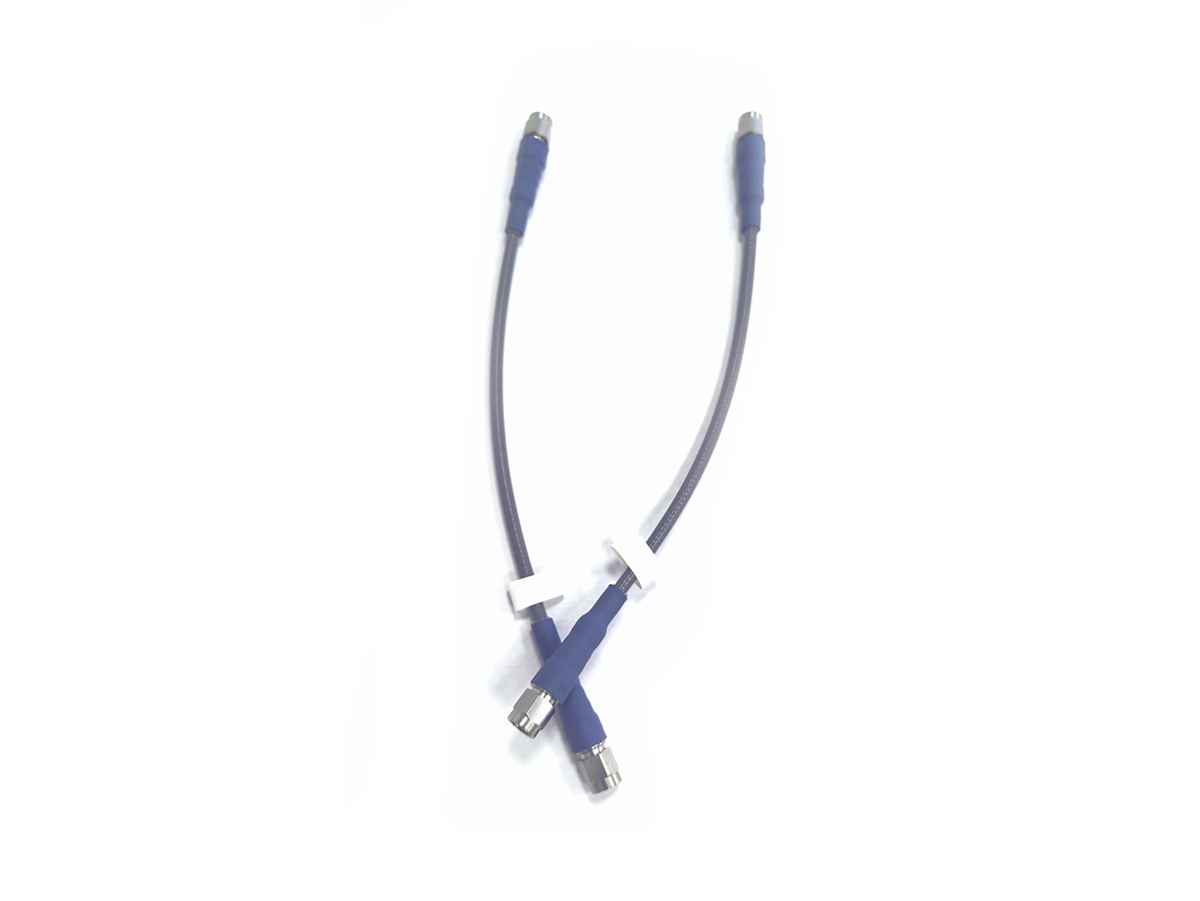
EMI resistant aerospace cables play a vital role in the integrity and functionality of electrical systems within aircraft and spacecraft. These cables are specifically designed to minimize the effects of electromagnetic interference (EMI), which can disrupt the operation of sensitive electronic equipment. In this article, we will explore the key features and benefits of these specialized cables, providing valuable insights for professionals in the electrical and aerospace industries.
One of the primary challenges in aerospace applications is the presence of various sources of electromagnetic interference. These sources can include radar systems, radio frequencies, and even the natural electromagnetic fields generated by the Earth. The impact of EMI can range from minor disruptions to catastrophic failures in communication, navigation, and flight control systems. Therefore, it is essential to utilize cables that can effectively shield against these interferences.
EMI resistant aerospace cables are typically constructed with materials and designs that enhance their shielding capabilities. Common materials used include copper, aluminum, and specialized conductive polymers, which can provide excellent attenuation of EMI. The cables often incorporate multiple layers of shielding, such as foil or braided shields, to create a barrier that prevents electromagnetic waves from penetrating the cable and interfering with the signals being transmitted.
Another important feature of these cables is their ability to maintain performance under extreme environmental conditions. Aerospace applications often expose cables to high temperatures, vibrations, and chemical exposure. EMI resistant aerospace cables are designed to withstand these harsh conditions while ensuring reliable signal integrity. This durability is achieved through the use of high-quality insulation materials and robust construction techniques that meet rigorous aerospace standards.
The benefits of using EMI resistant aerospace cables extend beyond just interference mitigation. By providing reliable performance, these cables contribute to the overall safety and efficiency of aerospace systems. Enhanced signal clarity and reduced noise levels mean that critical systems can operate without the risk of malfunction, ultimately leading to improved operational reliability and reduced maintenance costs.
In addition to their technical advantages, EMI resistant aerospace cables also support compliance with industry regulations and standards. Many aviation and space organizations have strict requirements for electromagnetic compatibility (EMC), and using these specialized cables can help manufacturers meet these guidelines, ensuring that their equipment is safe and reliable.
In summary, EMI resistant aerospace cables are a crucial component in the modern aerospace industry, providing effective shielding against electromagnetic interference while ensuring durability and compliance with industry standards. For professionals in the electrical engineering and aerospace sectors, understanding the importance and functionality of these cables is essential for the design and implementation of reliable electronic systems.
One of the primary challenges in aerospace applications is the presence of various sources of electromagnetic interference. These sources can include radar systems, radio frequencies, and even the natural electromagnetic fields generated by the Earth. The impact of EMI can range from minor disruptions to catastrophic failures in communication, navigation, and flight control systems. Therefore, it is essential to utilize cables that can effectively shield against these interferences.
EMI resistant aerospace cables are typically constructed with materials and designs that enhance their shielding capabilities. Common materials used include copper, aluminum, and specialized conductive polymers, which can provide excellent attenuation of EMI. The cables often incorporate multiple layers of shielding, such as foil or braided shields, to create a barrier that prevents electromagnetic waves from penetrating the cable and interfering with the signals being transmitted.
Another important feature of these cables is their ability to maintain performance under extreme environmental conditions. Aerospace applications often expose cables to high temperatures, vibrations, and chemical exposure. EMI resistant aerospace cables are designed to withstand these harsh conditions while ensuring reliable signal integrity. This durability is achieved through the use of high-quality insulation materials and robust construction techniques that meet rigorous aerospace standards.
The benefits of using EMI resistant aerospace cables extend beyond just interference mitigation. By providing reliable performance, these cables contribute to the overall safety and efficiency of aerospace systems. Enhanced signal clarity and reduced noise levels mean that critical systems can operate without the risk of malfunction, ultimately leading to improved operational reliability and reduced maintenance costs.
In addition to their technical advantages, EMI resistant aerospace cables also support compliance with industry regulations and standards. Many aviation and space organizations have strict requirements for electromagnetic compatibility (EMC), and using these specialized cables can help manufacturers meet these guidelines, ensuring that their equipment is safe and reliable.
In summary, EMI resistant aerospace cables are a crucial component in the modern aerospace industry, providing effective shielding against electromagnetic interference while ensuring durability and compliance with industry standards. For professionals in the electrical engineering and aerospace sectors, understanding the importance and functionality of these cables is essential for the design and implementation of reliable electronic systems.


Do you have Questions?
Not sure what you're looking for? Unable to find what you need?