

Understanding Impedance Controlled Cables: Essential Insights for Electrical Professionals
Release Date:2025-08-12


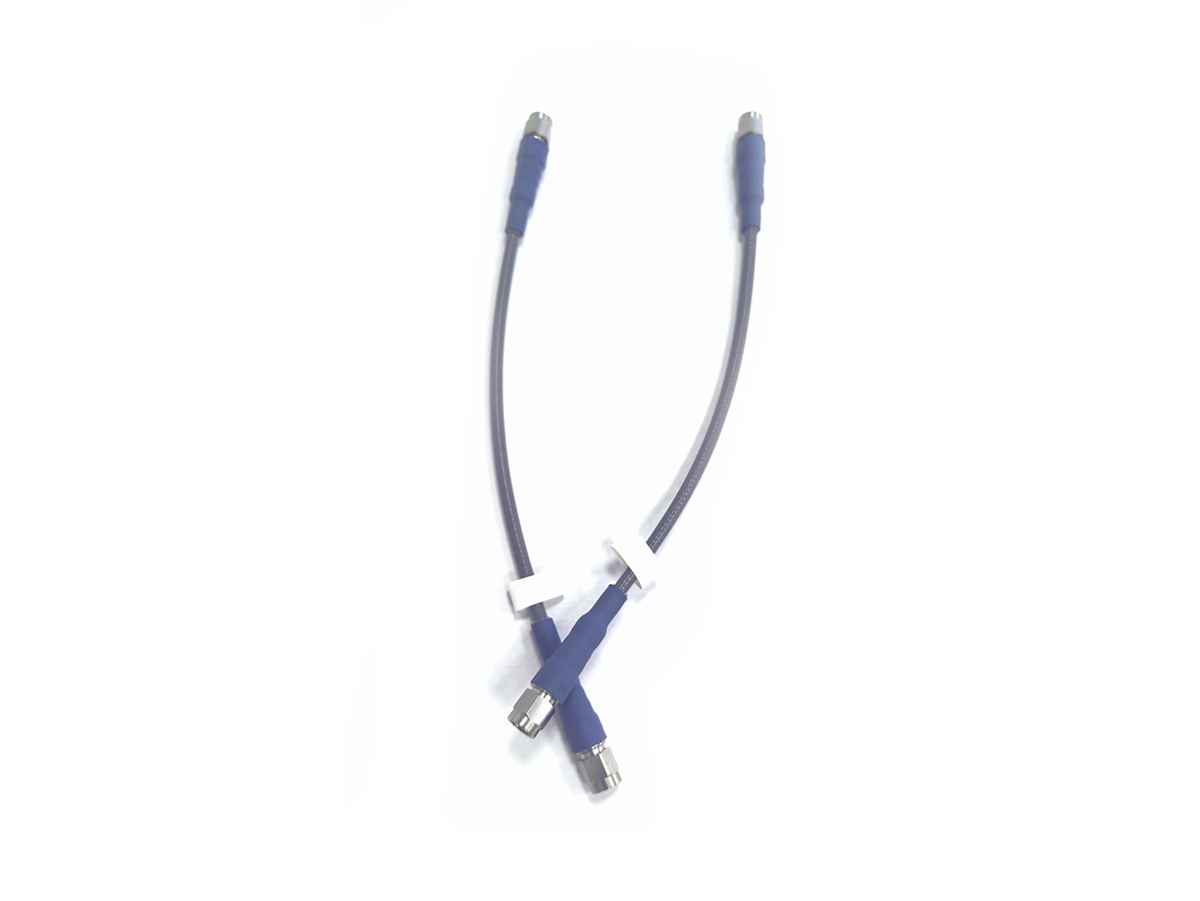
Impedance controlled cables are specifically designed to maintain a consistent characteristic impedance throughout the length of the cable. This consistency is vital for high-frequency applications, where signal integrity can be compromised by reflections and signal loss. Understanding the principles and applications of these cables can significantly benefit professionals working in the electrical and cabling sector.
One of the primary reasons for using impedance controlled cables is to minimize signal distortion. In digital and high-frequency analog circuits, variations in impedance can lead to reflections at junctions where impedances change, causing data errors and degraded signal quality. By using cables designed to maintain a specific impedance—often 50 or 75 ohms—engineers can ensure a more stable transmission of signals over long distances, making them ideal for coaxial, twisted pair, and other cable types.
The construction of impedance controlled cables typically involves meticulous attention to the materials and geometry used. For instance, the dielectric material used in the insulation and the arrangement of the conductors play a significant role in determining the cable’s characteristic impedance. By optimizing these factors, manufacturers can produce cables that reliably adhere to the required impedance specifications.
Another important aspect of impedance controlled cables is their application in various environments. For example, in telecommunications, these cables are often employed in data transmission systems, where maintaining signal integrity is critical. Similarly, in audio and video equipment, impedance matching is essential for preventing interference and ensuring high-quality signal transmission.
Moreover, the performance of impedance controlled cables can be affected by external factors, such as temperature, humidity, and mechanical stress. Understanding these environmental influences is crucial for professionals when selecting the appropriate cable for a specific application.
In summary, impedance controlled cables are an essential component in ensuring the reliable transmission of signals in various electrical applications. By maintaining a consistent impedance, these cables help mitigate signal distortion and improve overall performance. As technology continues to advance, the importance of understanding and utilizing impedance controlled cables will only increase, making it imperative for electrical professionals to stay informed about the latest developments and best practices in this area. Through careful selection and application of these cables, professionals can enhance the integrity and reliability of their electrical systems.
One of the primary reasons for using impedance controlled cables is to minimize signal distortion. In digital and high-frequency analog circuits, variations in impedance can lead to reflections at junctions where impedances change, causing data errors and degraded signal quality. By using cables designed to maintain a specific impedance—often 50 or 75 ohms—engineers can ensure a more stable transmission of signals over long distances, making them ideal for coaxial, twisted pair, and other cable types.
The construction of impedance controlled cables typically involves meticulous attention to the materials and geometry used. For instance, the dielectric material used in the insulation and the arrangement of the conductors play a significant role in determining the cable’s characteristic impedance. By optimizing these factors, manufacturers can produce cables that reliably adhere to the required impedance specifications.
Another important aspect of impedance controlled cables is their application in various environments. For example, in telecommunications, these cables are often employed in data transmission systems, where maintaining signal integrity is critical. Similarly, in audio and video equipment, impedance matching is essential for preventing interference and ensuring high-quality signal transmission.
Moreover, the performance of impedance controlled cables can be affected by external factors, such as temperature, humidity, and mechanical stress. Understanding these environmental influences is crucial for professionals when selecting the appropriate cable for a specific application.
In summary, impedance controlled cables are an essential component in ensuring the reliable transmission of signals in various electrical applications. By maintaining a consistent impedance, these cables help mitigate signal distortion and improve overall performance. As technology continues to advance, the importance of understanding and utilizing impedance controlled cables will only increase, making it imperative for electrical professionals to stay informed about the latest developments and best practices in this area. Through careful selection and application of these cables, professionals can enhance the integrity and reliability of their electrical systems.


Do you have Questions?
Not sure what you're looking for? Unable to find what you need?