

Understanding LD-PTFE Low Loss Cable: A Key Component in Modern Electrical Applications
Release Date:2025-08-31


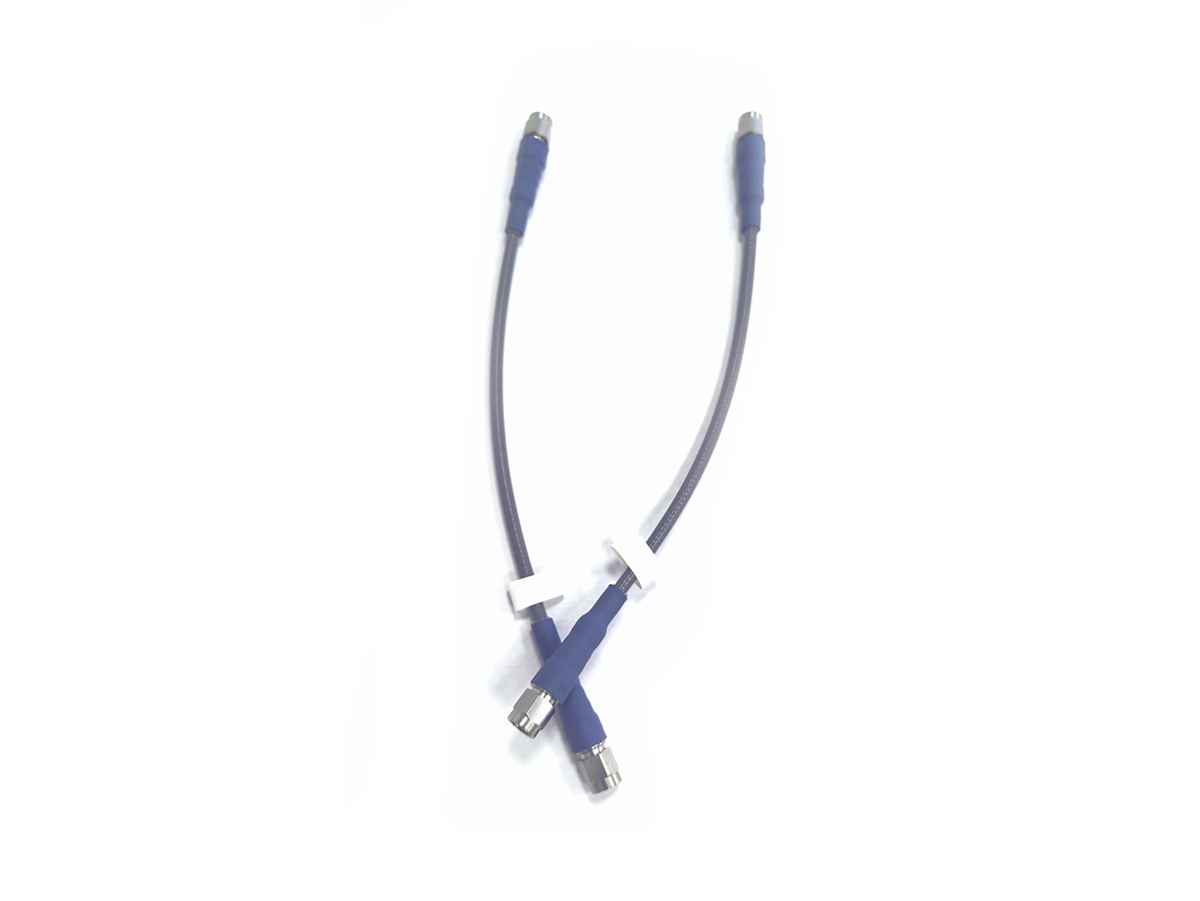
LD-PTFE low loss cable is an advanced type of electrical cable designed for applications that demand minimal signal loss and high reliability. The term “PTFE” refers to polytetrafluoroethylene, a high-performance fluoropolymer known for its exceptional insulating properties and chemical resistance. LD-PTFE cables utilize this material to create a sophisticated insulation layer that helps achieve low attenuation of signals, making them ideal for a variety of high-frequency applications.
One of the primary advantages of LD-PTFE low loss cable is its ability to maintain signal integrity over long distances. In many electrical and telecommunications applications, signal loss can significantly affect performance, resulting in degraded data transmission or communication issues. By utilizing LD-PTFE cables, engineers and technicians can ensure that signals are transmitted with minimal degradation, thus enhancing the overall effectiveness of their systems.
Moreover, LD-PTFE low loss cables excel in environments where high temperatures and harsh chemical exposures are common. The PTFE insulation provides excellent thermal stability, allowing the cable to function efficiently in extreme conditions without compromising its structural integrity. This makes LD-PTFE cables particularly suitable for industrial settings, aerospace applications, and even medical equipment, where reliability and performance are critical.
In addition to their physical properties, LD-PTFE low loss cables are also lightweight and flexible. This makes installation easier, especially in confined spaces or complex routing scenarios. The flexibility of these cables does not compromise their durability, as they are designed to withstand mechanical stresses and resist wear over time.
Another important consideration is the frequency range that LD-PTFE low loss cables can handle. These cables are often engineered for high-frequency applications, making them suitable for RF (radio frequency) transmissions, microwave communications, and other advanced technologies that rely on precise signal management. Their low loss characteristics ensure that even at high frequencies, the signal remains strong and clear, enabling effective communication and data transfer.
In conclusion, LD-PTFE low loss cable represents a significant advancement in cable technology, offering a combination of low signal loss, high durability, and chemical resistance. This makes it an outstanding choice for professionals looking for reliable solutions in challenging electrical applications. Understanding the benefits and characteristics of LD-PTFE cables can help engineers and technicians make informed decisions about their electrical systems, ensuring optimal performance and longevity in their installations.
One of the primary advantages of LD-PTFE low loss cable is its ability to maintain signal integrity over long distances. In many electrical and telecommunications applications, signal loss can significantly affect performance, resulting in degraded data transmission or communication issues. By utilizing LD-PTFE cables, engineers and technicians can ensure that signals are transmitted with minimal degradation, thus enhancing the overall effectiveness of their systems.
Moreover, LD-PTFE low loss cables excel in environments where high temperatures and harsh chemical exposures are common. The PTFE insulation provides excellent thermal stability, allowing the cable to function efficiently in extreme conditions without compromising its structural integrity. This makes LD-PTFE cables particularly suitable for industrial settings, aerospace applications, and even medical equipment, where reliability and performance are critical.
In addition to their physical properties, LD-PTFE low loss cables are also lightweight and flexible. This makes installation easier, especially in confined spaces or complex routing scenarios. The flexibility of these cables does not compromise their durability, as they are designed to withstand mechanical stresses and resist wear over time.
Another important consideration is the frequency range that LD-PTFE low loss cables can handle. These cables are often engineered for high-frequency applications, making them suitable for RF (radio frequency) transmissions, microwave communications, and other advanced technologies that rely on precise signal management. Their low loss characteristics ensure that even at high frequencies, the signal remains strong and clear, enabling effective communication and data transfer.
In conclusion, LD-PTFE low loss cable represents a significant advancement in cable technology, offering a combination of low signal loss, high durability, and chemical resistance. This makes it an outstanding choice for professionals looking for reliable solutions in challenging electrical applications. Understanding the benefits and characteristics of LD-PTFE cables can help engineers and technicians make informed decisions about their electrical systems, ensuring optimal performance and longevity in their installations.


Do you have Questions?
Not sure what you're looking for? Unable to find what you need?