

Understanding LD-PTFE Wrapped Cables: A Comprehensive Guide
Release Date:2025-11-15


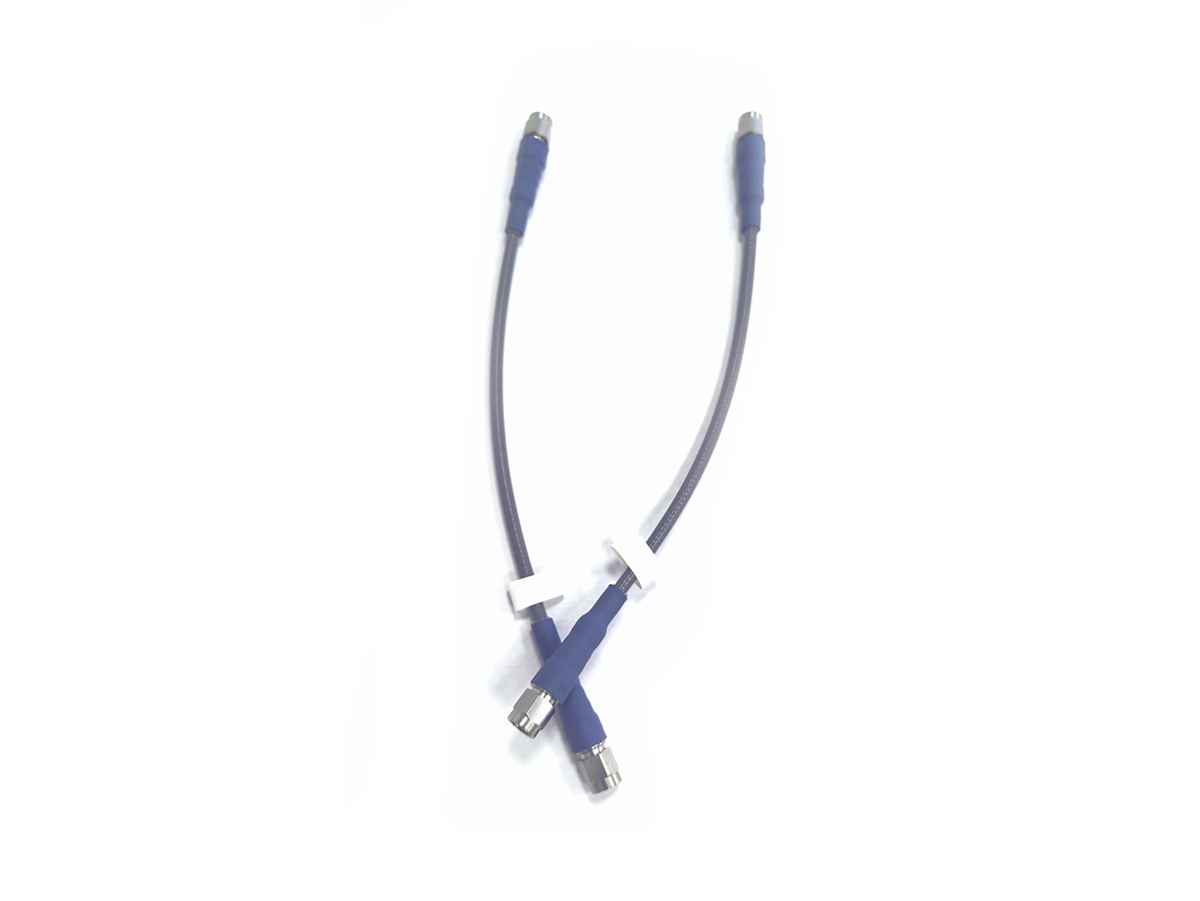
LD-PTFE wrapped cables are specialized electrical cables designed to meet the demanding needs of the telecommunications and electronics industries. The term "LD-PTFE" stands for Low-Density Polytetrafluoroethylene, a material known for its exceptional electrical insulating properties and thermal resistance. When these cables are wrapped in LD-PTFE, they gain a unique set of characteristics that make them particularly advantageous for various applications.
One of the most significant benefits of LD-PTFE wrapped cables is their outstanding dielectric properties. The low dielectric constant of PTFE ensures that signal integrity is maintained, making these cables ideal for high-frequency applications such as data transmission and RF (radio frequency) communications. The stable electrical characteristics of LD-PTFE also contribute to minimized signal loss, ensuring efficient performance in sensitive electronic systems.
Another notable feature of LD-PTFE wrapped cables is their resistance to extreme temperatures. PTFE can withstand a wide temperature range, often from -200°C to over 260°C, making these cables suitable for use in harsh environments where conventional cables may fail. This thermal stability is crucial for applications in aerospace, automotive, and industrial settings where reliable performance is paramount.
Moreover, LD-PTFE wrapped cables exhibit excellent chemical resistance. They are impervious to a variety of solvents, oils, and acids, which makes them an ideal choice for environments where exposure to harsh chemicals is expected. This characteristic not only ensures longevity but also reduces maintenance costs over time, enhancing the overall reliability of the systems in which they are installed.
In addition to their functional benefits, LD-PTFE wrapped cables are also lightweight and flexible. This makes installation easier, especially in tight spaces or complex configurations. The flexibility of these cables allows for better routing in systems where space and weight are critical considerations, such as in telecommunications towers or high-density electronic racks.
Applications of LD-PTFE wrapped cables are diverse. They are commonly used in aerospace for flight control systems, in medical devices for monitoring instruments, and in telecommunications for antenna connections. Their unique properties also make them suitable for use in various electronic test equipment where precision and reliability are essential.
In conclusion, LD-PTFE wrapped cables are a valuable choice for professionals in the electrical and electronic sectors. Their low-density PTFE insulation offers excellent electrical insulation, thermal stability, and chemical resistance, making them ideal for high-performance applications. Understanding the benefits and applications of LD-PTFE wrapped cables can help you make informed decisions regarding their use in your projects, ensuring enhanced performance and reliability.
One of the most significant benefits of LD-PTFE wrapped cables is their outstanding dielectric properties. The low dielectric constant of PTFE ensures that signal integrity is maintained, making these cables ideal for high-frequency applications such as data transmission and RF (radio frequency) communications. The stable electrical characteristics of LD-PTFE also contribute to minimized signal loss, ensuring efficient performance in sensitive electronic systems.
Another notable feature of LD-PTFE wrapped cables is their resistance to extreme temperatures. PTFE can withstand a wide temperature range, often from -200°C to over 260°C, making these cables suitable for use in harsh environments where conventional cables may fail. This thermal stability is crucial for applications in aerospace, automotive, and industrial settings where reliable performance is paramount.
Moreover, LD-PTFE wrapped cables exhibit excellent chemical resistance. They are impervious to a variety of solvents, oils, and acids, which makes them an ideal choice for environments where exposure to harsh chemicals is expected. This characteristic not only ensures longevity but also reduces maintenance costs over time, enhancing the overall reliability of the systems in which they are installed.
In addition to their functional benefits, LD-PTFE wrapped cables are also lightweight and flexible. This makes installation easier, especially in tight spaces or complex configurations. The flexibility of these cables allows for better routing in systems where space and weight are critical considerations, such as in telecommunications towers or high-density electronic racks.
Applications of LD-PTFE wrapped cables are diverse. They are commonly used in aerospace for flight control systems, in medical devices for monitoring instruments, and in telecommunications for antenna connections. Their unique properties also make them suitable for use in various electronic test equipment where precision and reliability are essential.
In conclusion, LD-PTFE wrapped cables are a valuable choice for professionals in the electrical and electronic sectors. Their low-density PTFE insulation offers excellent electrical insulation, thermal stability, and chemical resistance, making them ideal for high-performance applications. Understanding the benefits and applications of LD-PTFE wrapped cables can help you make informed decisions regarding their use in your projects, ensuring enhanced performance and reliability.


Do you have Questions?
Not sure what you're looking for? Unable to find what you need?