

Understanding LVDS High-Speed Data Cables for Aviation: Essential Insights
Release Date:2025-09-04


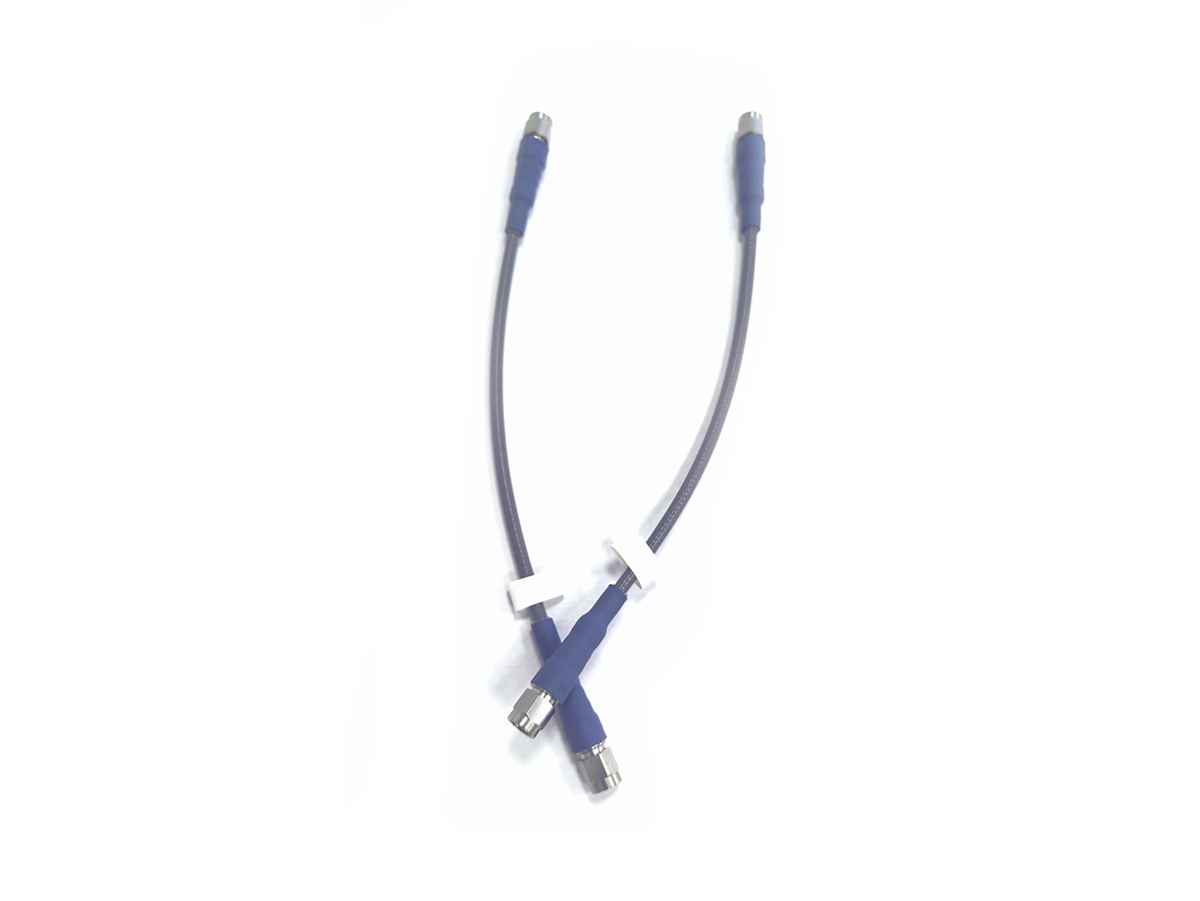
In the fast-paced world of aviation, reliable communication and efficient data transfer are paramount. One critical component that facilitates these requirements is the LVDS (Low-Voltage Differential Signaling) high-speed data cable. Designed to transmit vast amounts of data with minimal electromagnetic interference, LVDS technology is increasingly finding its applications in the aviation sector.
LVDS cables are known for their ability to transmit data at high speeds over significant distances, making them ideal for use in aircraft, where performance and reliability are non-negotiable. Their design involves using differential signaling, which means that data is transmitted via two wires with opposite signals. This configuration minimizes noise and enhances signal integrity, leading to improved performance in data-intensive applications such as avionics systems, in-flight entertainment, and communication systems within the aircraft.
One of the main advantages of using LVDS high-speed data cables in aviation is their capability to handle large volumes of data without compromising speed. This is particularly crucial in modern aircraft, which rely on sophisticated electronic systems to operate efficiently. These cables support high-definition video and audio transmission, making them an essential component for in-flight entertainment systems that enhance passenger experience.
Moreover, the lightweight nature of LVDS cables is another significant benefit in the aviation industry. Reducing the weight of aircraft components directly contributes to fuel efficiency, making LVDS an attractive choice for manufacturers seeking to optimize their designs. By integrating these cables, aircraft can maintain high performance while adhering to stringent weight regulations.
Durability is also an essential feature of LVDS high-speed data cables. Aviation environments are often subject to extreme temperatures, vibrations, and other challenging conditions. LVDS cables are engineered to withstand these factors, ensuring reliable operation and a long service life. Choosing the right materials and construction methods further enhances their resilience, making them suitable for the demanding aviation applications.
In conclusion, LVDS high-speed data cables play a vital role in the aviation industry by ensuring efficient communication and data transfer capabilities. Their high-speed performance, lightweight design, and durability make them indispensable in modern aircraft systems. As the aviation industry continues to evolve, the importance of such advanced technologies will only increase, paving the way for safer and more efficient air travel. Understanding these cables’ functions and advantages can provide valuable insights into the future of aviation technology and its ongoing advancements.
LVDS cables are known for their ability to transmit data at high speeds over significant distances, making them ideal for use in aircraft, where performance and reliability are non-negotiable. Their design involves using differential signaling, which means that data is transmitted via two wires with opposite signals. This configuration minimizes noise and enhances signal integrity, leading to improved performance in data-intensive applications such as avionics systems, in-flight entertainment, and communication systems within the aircraft.
One of the main advantages of using LVDS high-speed data cables in aviation is their capability to handle large volumes of data without compromising speed. This is particularly crucial in modern aircraft, which rely on sophisticated electronic systems to operate efficiently. These cables support high-definition video and audio transmission, making them an essential component for in-flight entertainment systems that enhance passenger experience.
Moreover, the lightweight nature of LVDS cables is another significant benefit in the aviation industry. Reducing the weight of aircraft components directly contributes to fuel efficiency, making LVDS an attractive choice for manufacturers seeking to optimize their designs. By integrating these cables, aircraft can maintain high performance while adhering to stringent weight regulations.
Durability is also an essential feature of LVDS high-speed data cables. Aviation environments are often subject to extreme temperatures, vibrations, and other challenging conditions. LVDS cables are engineered to withstand these factors, ensuring reliable operation and a long service life. Choosing the right materials and construction methods further enhances their resilience, making them suitable for the demanding aviation applications.
In conclusion, LVDS high-speed data cables play a vital role in the aviation industry by ensuring efficient communication and data transfer capabilities. Their high-speed performance, lightweight design, and durability make them indispensable in modern aircraft systems. As the aviation industry continues to evolve, the importance of such advanced technologies will only increase, paving the way for safer and more efficient air travel. Understanding these cables’ functions and advantages can provide valuable insights into the future of aviation technology and its ongoing advancements.


Do you have Questions?
Not sure what you're looking for? Unable to find what you need?