

Understanding Microwave Coaxial Cable: Essential Insights for Effective Applications
Release Date:2025-07-05


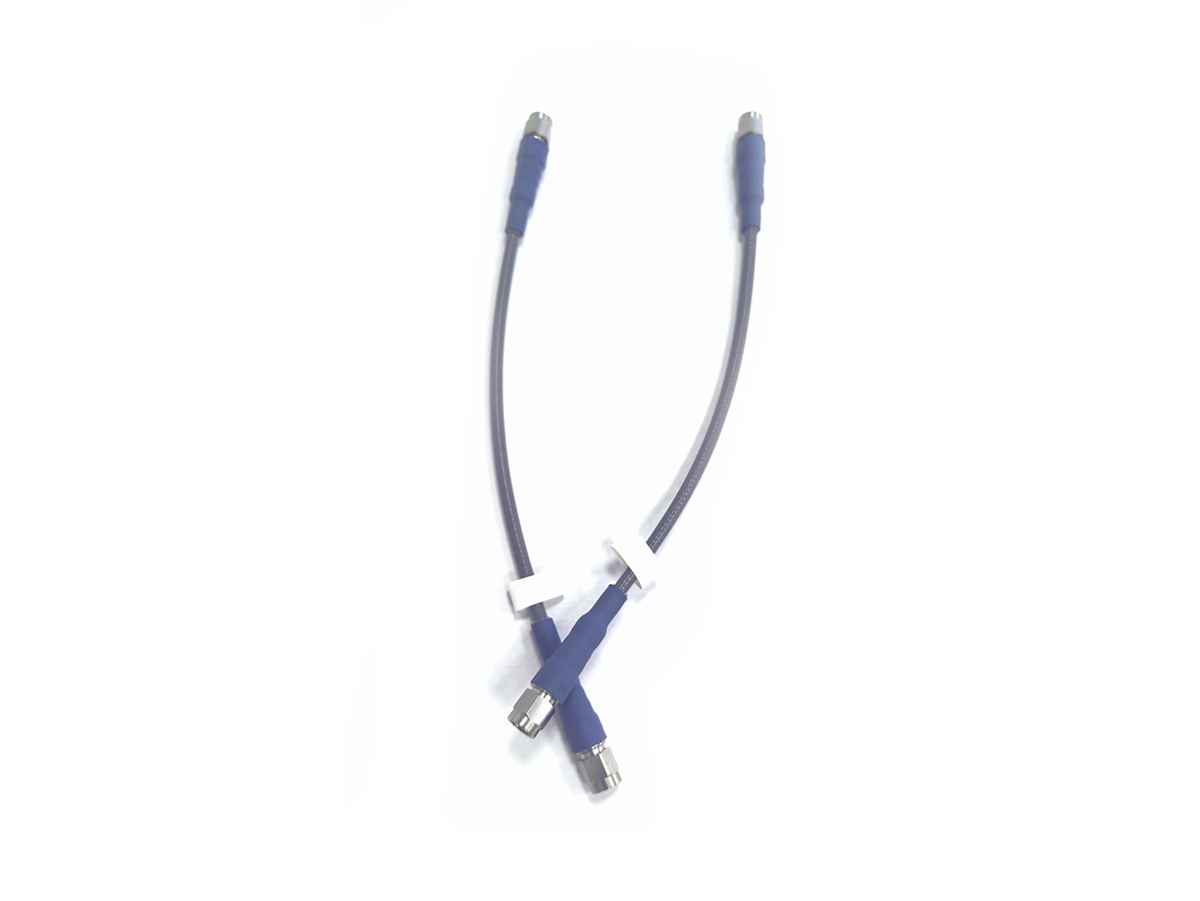
Microwave coaxial cable is a critical component in the field of electrical and telecommunications engineering. These specialized cables are designed to transmit high-frequency signals with minimal loss and interference, making them essential for applications such as satellite communications, radar systems, and microwave broadcasting. Understanding the characteristics and advantages of microwave coaxial cables can help professionals make informed decisions when selecting cables for their projects.
At its core, a microwave coaxial cable consists of an inner conductor, an insulating layer, and an outer conductor. The inner conductor carries the signal, while the insulating layer prevents signal leakage and maintains the integrity of the transmission. The outer conductor acts as a shield, protecting the inner components from external electromagnetic interference (EMI). This construction is what allows microwave coaxial cables to perform effectively at high frequencies, typically ranging from 1 GHz to 100 GHz.
One of the primary advantages of microwave coaxial cables is their ability to minimize signal loss over long distances. This is particularly important in applications where maintaining signal quality is crucial, such as in telecommunications and broadcasting. The low attenuation rates associated with high-quality microwave coaxial cables ensure that signals can travel further without significant degradation, which is essential for maintaining reliable communication links.
Moreover, microwave coaxial cables are often designed to withstand harsh environmental conditions. Many cables are manufactured with robust materials that provide resistance to moisture, heat, and mechanical stress. This durability makes them suitable for outdoor and industrial applications, where exposure to the elements can compromise other types of cables.
When selecting microwave coaxial cables, it is important to consider factors such as impedance, frequency range, and power handling capacity. Common impedance values include 50 ohms and 75 ohms, and the choice between them typically depends on the specific application. For instance, 50-ohm coaxial cables are often used in RF (radio frequency) applications, while 75-ohm cables are more common in video and broadcast applications.
In conclusion, microwave coaxial cables play a pivotal role in the transmission of high-frequency signals in various industries. Their unique construction and properties allow for efficient signal transfer with minimal loss, making them ideal for use in demanding environments. By understanding the fundamental aspects of microwave coaxial cables, professionals in the electrical and telecommunications fields can choose the right cables for their projects, ensuring optimal performance and reliability.
At its core, a microwave coaxial cable consists of an inner conductor, an insulating layer, and an outer conductor. The inner conductor carries the signal, while the insulating layer prevents signal leakage and maintains the integrity of the transmission. The outer conductor acts as a shield, protecting the inner components from external electromagnetic interference (EMI). This construction is what allows microwave coaxial cables to perform effectively at high frequencies, typically ranging from 1 GHz to 100 GHz.
One of the primary advantages of microwave coaxial cables is their ability to minimize signal loss over long distances. This is particularly important in applications where maintaining signal quality is crucial, such as in telecommunications and broadcasting. The low attenuation rates associated with high-quality microwave coaxial cables ensure that signals can travel further without significant degradation, which is essential for maintaining reliable communication links.
Moreover, microwave coaxial cables are often designed to withstand harsh environmental conditions. Many cables are manufactured with robust materials that provide resistance to moisture, heat, and mechanical stress. This durability makes them suitable for outdoor and industrial applications, where exposure to the elements can compromise other types of cables.
When selecting microwave coaxial cables, it is important to consider factors such as impedance, frequency range, and power handling capacity. Common impedance values include 50 ohms and 75 ohms, and the choice between them typically depends on the specific application. For instance, 50-ohm coaxial cables are often used in RF (radio frequency) applications, while 75-ohm cables are more common in video and broadcast applications.
In conclusion, microwave coaxial cables play a pivotal role in the transmission of high-frequency signals in various industries. Their unique construction and properties allow for efficient signal transfer with minimal loss, making them ideal for use in demanding environments. By understanding the fundamental aspects of microwave coaxial cables, professionals in the electrical and telecommunications fields can choose the right cables for their projects, ensuring optimal performance and reliability.


Do you have Questions?
Not sure what you're looking for? Unable to find what you need?