

Understanding Phase Stable Coaxial Cables: The Key to Reliable Signal Transmission
Release Date:2025-07-09


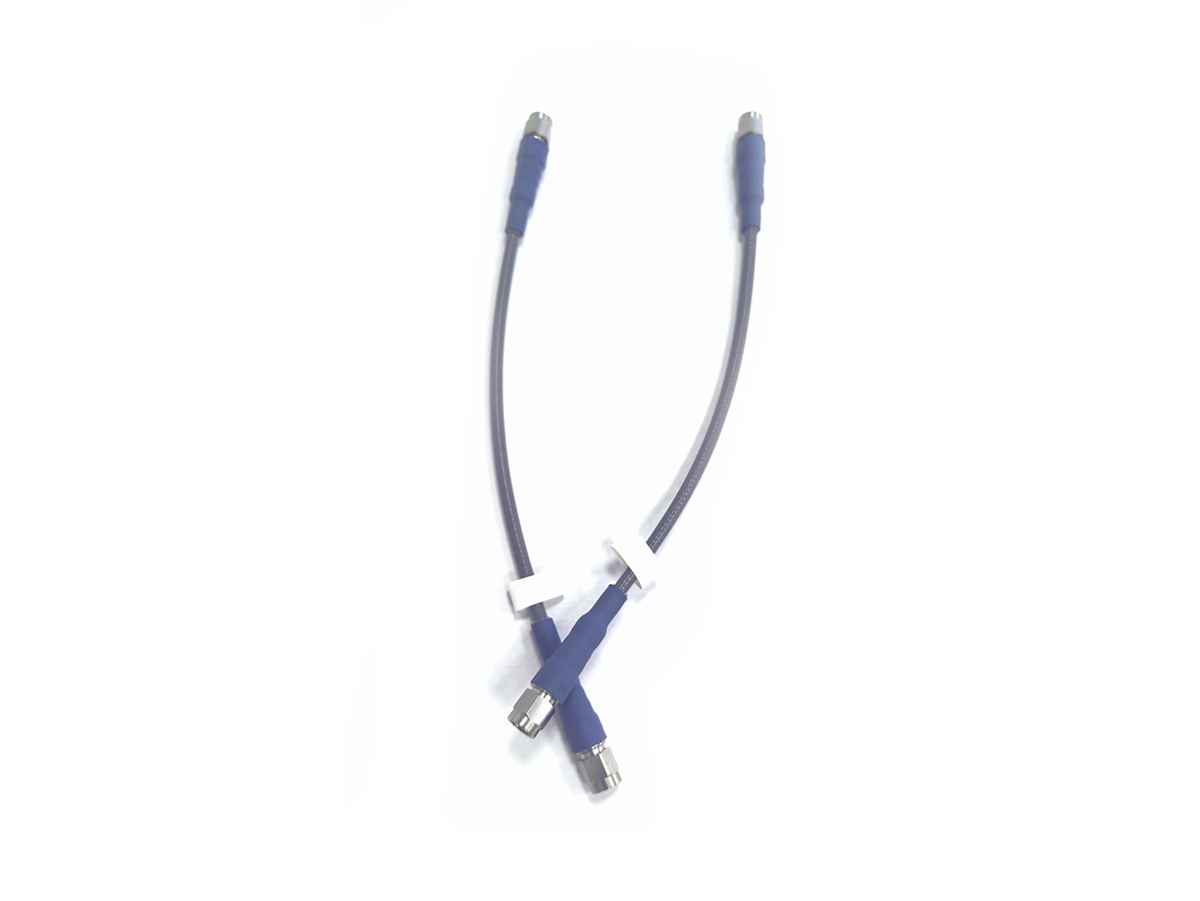
Phase stable coaxial cables are designed to maintain signal integrity and minimize phase shift over a wide range of temperatures and frequencies. This feature is particularly critical in applications requiring precise timing and synchronization, such as in telecommunications, broadcasting, and high-frequency data transmission. Unlike standard coaxial cables, which may experience alterations in their electrical characteristics when subjected to environmental changes, phase stable coaxial cables are engineered to provide consistent performance, ensuring the signals remain faithful to their original form.
One of the primary advantages of phase stable coaxial cables is their excellent performance in environments where temperature fluctuations are common. These cables use materials that exhibit minimal dielectric constant changes with temperature variations, allowing them to retain their characteristic impedance. This stability is crucial for applications in critical systems, such as satellite communications and radar technologies, where even the slightest phase shift can lead to significant errors.
Another essential aspect of phase stable coaxial cables is their ability to support high-frequency signals without degradation. In high-frequency applications, signal attenuation and reflection can severely impact performance. Phase stable coaxial cables are specifically designed to minimize these effects, ensuring that signals can be transmitted over long distances with minimal loss. This makes them a preferred choice for broadcasters, network infrastructures, and other high-performance applications.
In addition to their superior electrical properties, phase stable coaxial cables are often built with robust shielding to protect against electromagnetic interference (EMI). This shielding is vital in environments where multiple signals are transmitted simultaneously, as it helps to maintain signal clarity and prevent crosstalk. The combination of low loss, phase stability, and effective shielding makes these cables indispensable in modern communication systems.
Furthermore, phase stable coaxial cables are available in various configurations to meet the needs of different applications. Customizable lengths, connectors, and materials allow engineers to select the ideal solution for their specific requirements. Whether in aerospace, medical devices, or industrial automation, these cables provide the reliability and performance necessary for today’s demanding environments.
In conclusion, phase stable coaxial cables play a vital role in ensuring the integrity of signals in high-frequency applications. By minimizing phase distortion and signal loss, they are essential for maintaining performance in critical systems. Understanding the advantages and applications of phase stable coaxial cables can help professionals make informed decisions that enhance their projects and systems, ultimately leading to improved outcomes in the field of electrical engineering.
One of the primary advantages of phase stable coaxial cables is their excellent performance in environments where temperature fluctuations are common. These cables use materials that exhibit minimal dielectric constant changes with temperature variations, allowing them to retain their characteristic impedance. This stability is crucial for applications in critical systems, such as satellite communications and radar technologies, where even the slightest phase shift can lead to significant errors.
Another essential aspect of phase stable coaxial cables is their ability to support high-frequency signals without degradation. In high-frequency applications, signal attenuation and reflection can severely impact performance. Phase stable coaxial cables are specifically designed to minimize these effects, ensuring that signals can be transmitted over long distances with minimal loss. This makes them a preferred choice for broadcasters, network infrastructures, and other high-performance applications.
In addition to their superior electrical properties, phase stable coaxial cables are often built with robust shielding to protect against electromagnetic interference (EMI). This shielding is vital in environments where multiple signals are transmitted simultaneously, as it helps to maintain signal clarity and prevent crosstalk. The combination of low loss, phase stability, and effective shielding makes these cables indispensable in modern communication systems.
Furthermore, phase stable coaxial cables are available in various configurations to meet the needs of different applications. Customizable lengths, connectors, and materials allow engineers to select the ideal solution for their specific requirements. Whether in aerospace, medical devices, or industrial automation, these cables provide the reliability and performance necessary for today’s demanding environments.
In conclusion, phase stable coaxial cables play a vital role in ensuring the integrity of signals in high-frequency applications. By minimizing phase distortion and signal loss, they are essential for maintaining performance in critical systems. Understanding the advantages and applications of phase stable coaxial cables can help professionals make informed decisions that enhance their projects and systems, ultimately leading to improved outcomes in the field of electrical engineering.


Do you have Questions?
Not sure what you're looking for? Unable to find what you need?