

Understanding RG316 Coaxial Cable Assembly: A Comprehensive Guide for Professionals
Release Date:2025-10-10


---
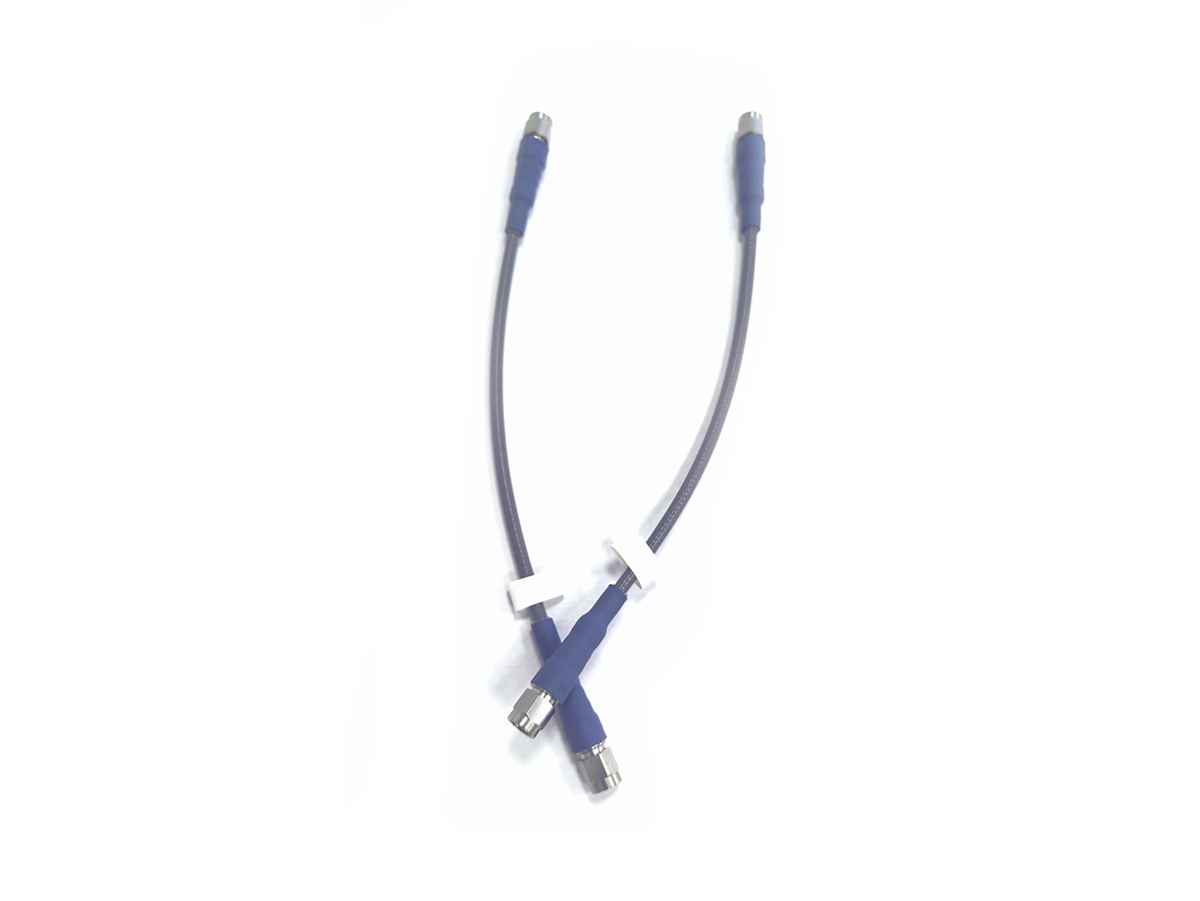
The RG316 coaxial cable assembly is widely utilized in many electronic and telecommunications applications due to its flexible design and excellent performance characteristics. Understanding the attributes and functionalities of RG316 is crucial for professionals in the electrical and electronics industry, especially when dealing with RF (Radio Frequency) signals.
One of the primary features of RG316 is its construction. The cable typically consists of a central conductor made of copper or tinned copper, surrounded by a dielectric insulator, followed by an outer conductive shield and an insulating cover. This design minimizes loss and interference, making RG316 suitable for high-frequency applications up to 6 GHz. The outer diameter of RG316 typically measures 1.12 mm, allowing for a compact assembly that can be easily integrated into various systems.
When discussing the performance of RG316, one must consider its attenuation characteristics. With a low attenuation rate, RG316 maintains signal integrity over longer distances, which is critical in many applications, such as wireless communication, antennas, and test equipment connections. This low loss translates to better performance in environments where signal quality is paramount.
In addition to its performance benefits, RG316 coaxial cables are known for their flexibility and durability. This makes them suitable for applications where movement is involved or where space constraints exist. The materials used in RG316, typically a PVC or Teflon jacket, provide resistance to wear and environmental factors, thus enhancing the longevity of the cable assembly.
Installation of RG316 coaxial cable assemblies requires careful consideration to ensure optimal performance. Proper connectors should be selected based on the specific application, and attention must be paid to the stripping and termination processes. Misaligned connectors can lead to increased signal loss and potential system failures. Therefore, using high-quality tools and techniques is essential in creating reliable connections.
Moreover, professionals should also be aware of the regulatory standards that apply to RG316 cables, especially when they are used in commercial applications. Compliance with standards such as MIL-C-17 can be essential for ensuring that the cable meets the necessary specifications for military or aerospace applications.
In conclusion, RG316 coaxial cable assemblies are integral components in the electrical and telecommunications field. Their robust construction, low attenuation, and flexibility make them ideal for various applications. By understanding the characteristics and proper handling of RG316, professionals can ensure reliable performance and longevity in their systems, ultimately contributing to more efficient operations and enhanced communication capabilities.
The RG316 coaxial cable assembly is widely utilized in many electronic and telecommunications applications due to its flexible design and excellent performance characteristics. Understanding the attributes and functionalities of RG316 is crucial for professionals in the electrical and electronics industry, especially when dealing with RF (Radio Frequency) signals.
One of the primary features of RG316 is its construction. The cable typically consists of a central conductor made of copper or tinned copper, surrounded by a dielectric insulator, followed by an outer conductive shield and an insulating cover. This design minimizes loss and interference, making RG316 suitable for high-frequency applications up to 6 GHz. The outer diameter of RG316 typically measures 1.12 mm, allowing for a compact assembly that can be easily integrated into various systems.
When discussing the performance of RG316, one must consider its attenuation characteristics. With a low attenuation rate, RG316 maintains signal integrity over longer distances, which is critical in many applications, such as wireless communication, antennas, and test equipment connections. This low loss translates to better performance in environments where signal quality is paramount.
In addition to its performance benefits, RG316 coaxial cables are known for their flexibility and durability. This makes them suitable for applications where movement is involved or where space constraints exist. The materials used in RG316, typically a PVC or Teflon jacket, provide resistance to wear and environmental factors, thus enhancing the longevity of the cable assembly.
Installation of RG316 coaxial cable assemblies requires careful consideration to ensure optimal performance. Proper connectors should be selected based on the specific application, and attention must be paid to the stripping and termination processes. Misaligned connectors can lead to increased signal loss and potential system failures. Therefore, using high-quality tools and techniques is essential in creating reliable connections.
Moreover, professionals should also be aware of the regulatory standards that apply to RG316 cables, especially when they are used in commercial applications. Compliance with standards such as MIL-C-17 can be essential for ensuring that the cable meets the necessary specifications for military or aerospace applications.
In conclusion, RG316 coaxial cable assemblies are integral components in the electrical and telecommunications field. Their robust construction, low attenuation, and flexibility make them ideal for various applications. By understanding the characteristics and proper handling of RG316, professionals can ensure reliable performance and longevity in their systems, ultimately contributing to more efficient operations and enhanced communication capabilities.


Do you have Questions?
Not sure what you're looking for? Unable to find what you need?